This is not a post about Erykah Badu’s new mix. Badu is a creole name for the people of the biggest island of the Cape Verde archipelago: Santiago, and to them I would like to dedicate this post.
Crowd, chaos, waiting: in three words that could summarize pre-Christmas time at the arrivals lounge of the Nelson Mandela Airport in the capital of Cape Verde, Praia. The guards, customs and military at the airport mingle so much that it is not that easy to distinguish who is working there and who is ‘just chillin’. I still have a lot to learn: but beyond words and gestures I catch the first meanings of morabeza, famous hospitality and relaxed attitude of Cape Verdeans. On the top of that, my luggage is lost, but oh well, after 2 hours of waiting for visa stamp that does not even surprises me.
What surprises me though is that the owner of the apartment I briefly spoke over e-mail, waits patiently in the arrival lounge though and shows no trace of being nervous, or upset after over 3 hours of waiting. He took this time to chat with some other people waiting over a midnight coffee. On the way we take some other people, just for the sake that they’ve been heading the same direction, no matter that it’s long after midnight. Even though I am tired like never before, I am so happy it’s 3 am and the temperature is over 25 degrees. And I slowly see some logic in the what I defined as chaos.
After I wake up and have a breakfast with my beloved mangoes and papaias, I head to the biggest market of Praia: Sucupira to get some ‘essentials’ that were left behind in my registered luggage. Sucupira is a labirynth where you can get anything from chinelos (aka ‘Havaianas’) to running piglets. Not surprisingly, clothes are rather expensive: as there is close to nothing produced in Cabo Verde, most of them come from Paris where, according to the estimations, there is the biggest diaspora of caboverdianos. Next to bikinis, there are figures of black Jesus and black Maria, someone fries chicken wings in piri-piri and the sounds of funana are all over the place.
I leave Sucupira to find some quiet shelter in the uptown district Plateau, historically second settlement in West Africa after Cidade Velha which I will describe in the forthcoming posts. There, in a bar 5al da Musica I take a musical tour through the history of Cabo Verde: from B’Leza to Sara Tavares. And in the meantime, visiting musician from Angola and Lisbon practice their evening jam… I get goosebumps while hearing the fresh sounds and inspirations I would never hear about in Berlin. And so my first 24h in Praia are gone, I order my last coffee, chat with the musicians feeling very balanced, inspired and happy, almost like Bad’u.
Tired of the 2015: corporate year end’s closure, and pointless rush around Christmas festivities in Berlin, I am counting days to teleport myself to a very distant and different place: Cape Verde’s (port. Cabo Verde) island of Santiago.
Why Cape Verde? First of all, because of its creole music: morna, representing very melancholic sounds of the islands lost somewhere in the middle of the Atlantic Ocean. Once very strategic location given the geographical discoveries, sad history of colonialism, and slave trade. Now left remotely westbound of Africa, the art and music is depicting this lone feeling. I am very much looking forward to hunt for some rare records of yet undiscovered, powerful voices of the afrobeat.
Secondly, because of the ocean, the wind and the scorching sun. Climate of Cabo Verde might get very rough, given the strong winds blowing in this area, but I can’t imagine a better weather, especially if the waves make it perfect for the surfers.
Last but not least: for the language – the most outspoken language on Cabo Verde is crioulo (creole), and given its French and Portuguese roots, is especially interesting for me to encrypt. And so within one week I will be boarding my flight to Praia, the capital of Cabo Verde, full of the sodade e bondade (longing and goodness) feeling. Stay tuned for the stories from the Ilha de Santiago upon my arrival in January!
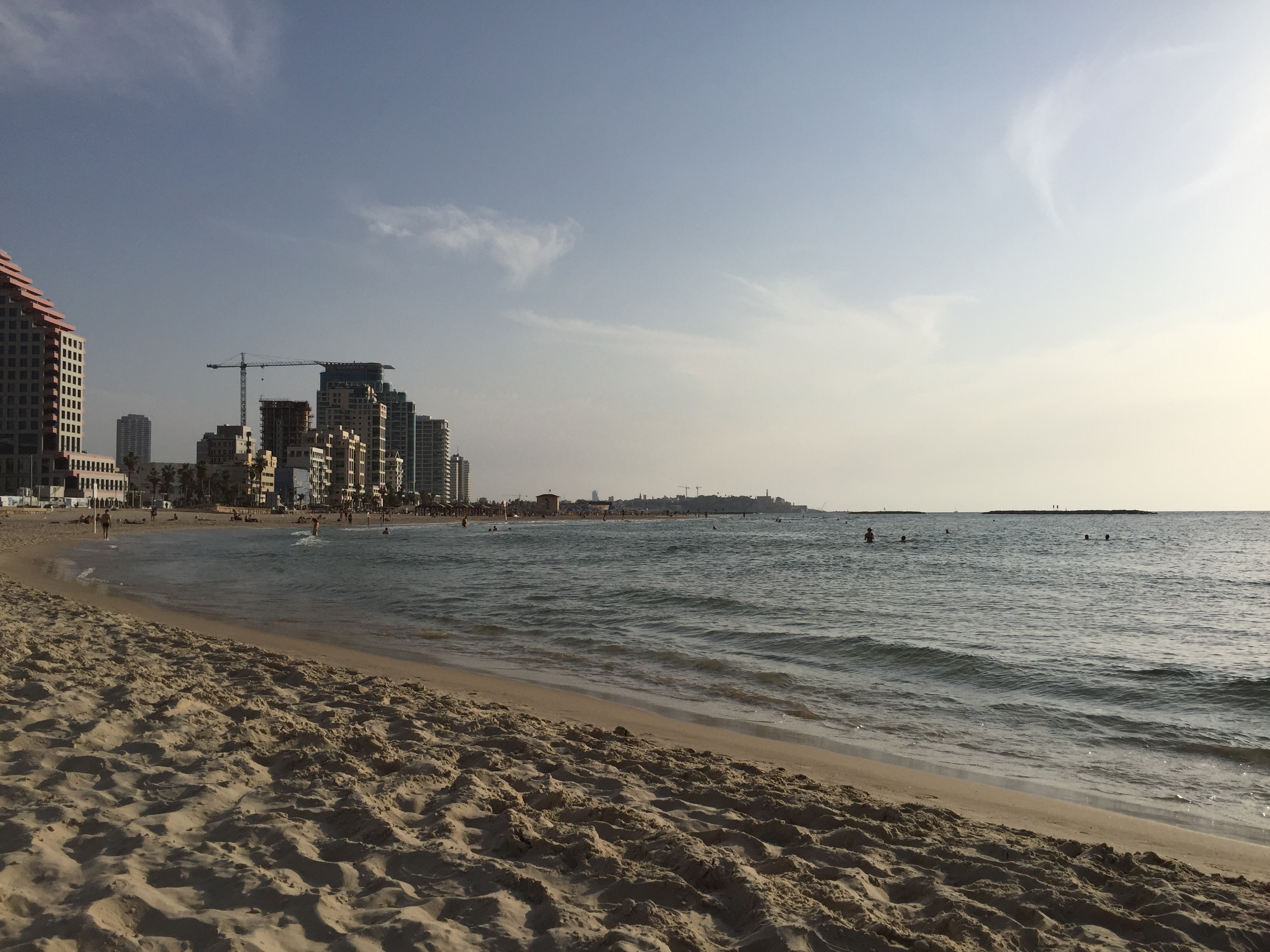
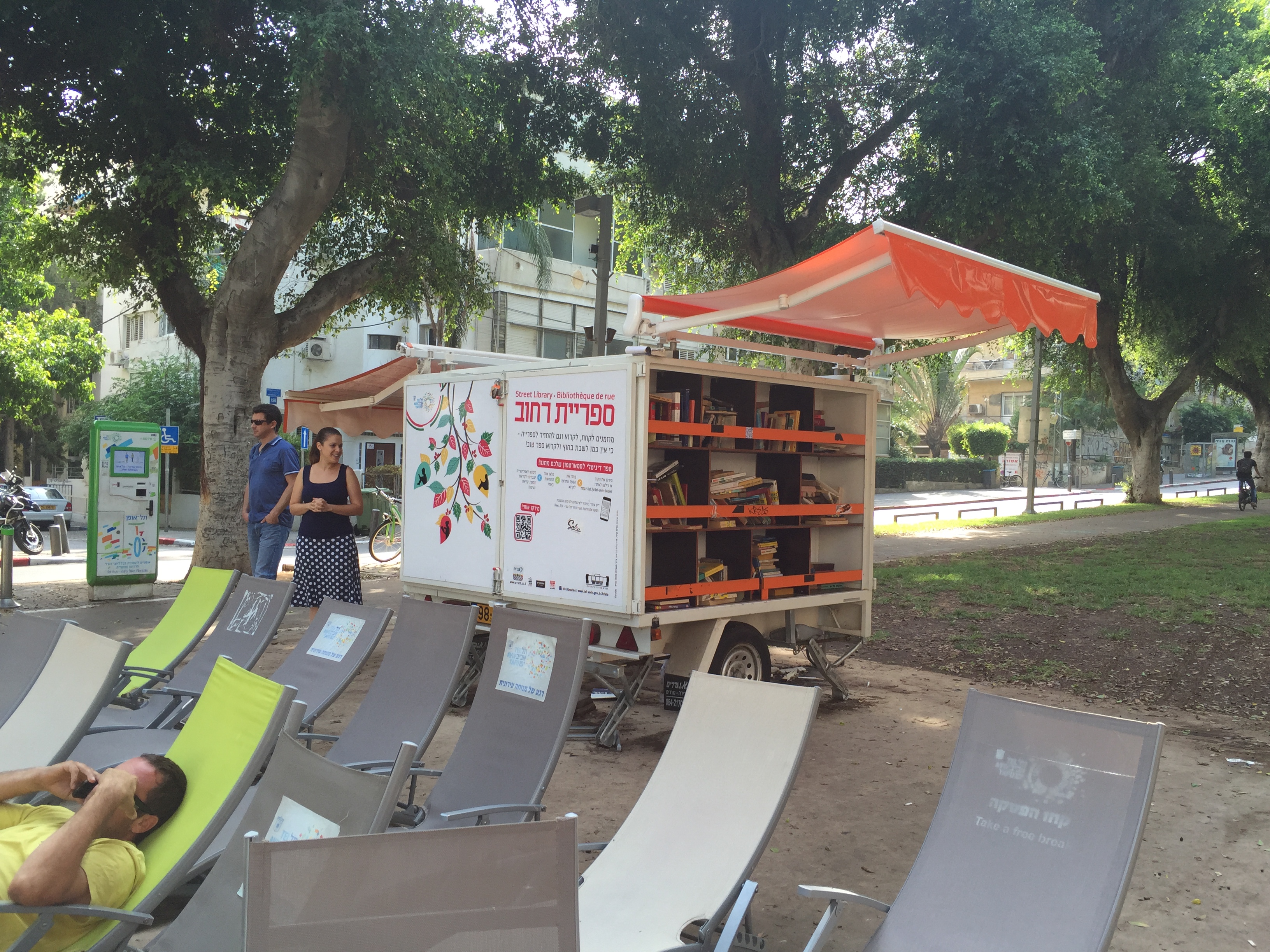
White city – or the city of light is the name we often hear when speaking about Lisbon. This time, however, I would like to travel back to the Middle East, to Tel-Aviv I visited just a week ago. Apart from the colours, the link between Lusofonetica and Tel-Aviv is not so obvious, but given the cosmopolitan nature of this city, I have heard Portuguese not once on the streets, as well as all sort of other languages.
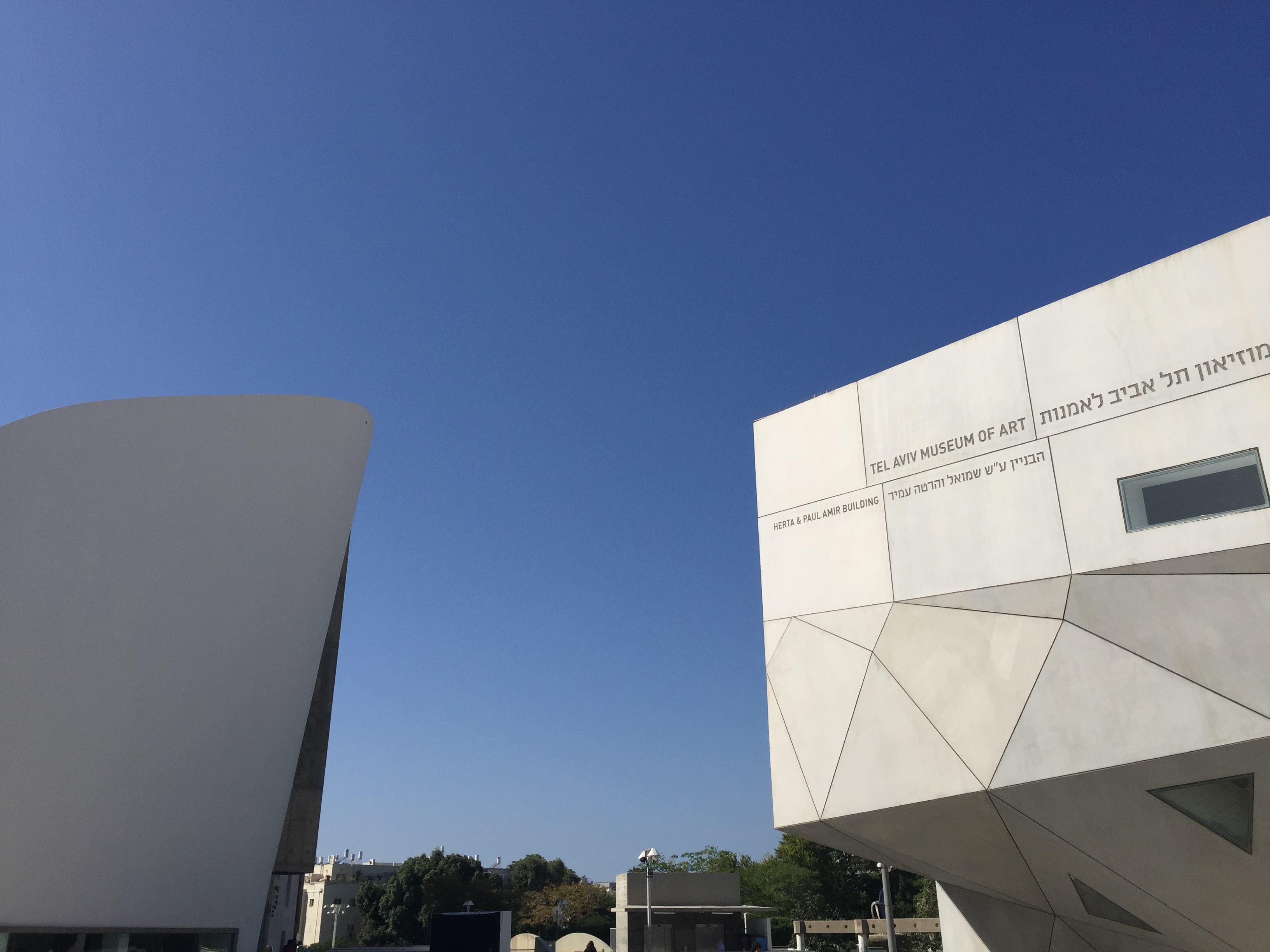
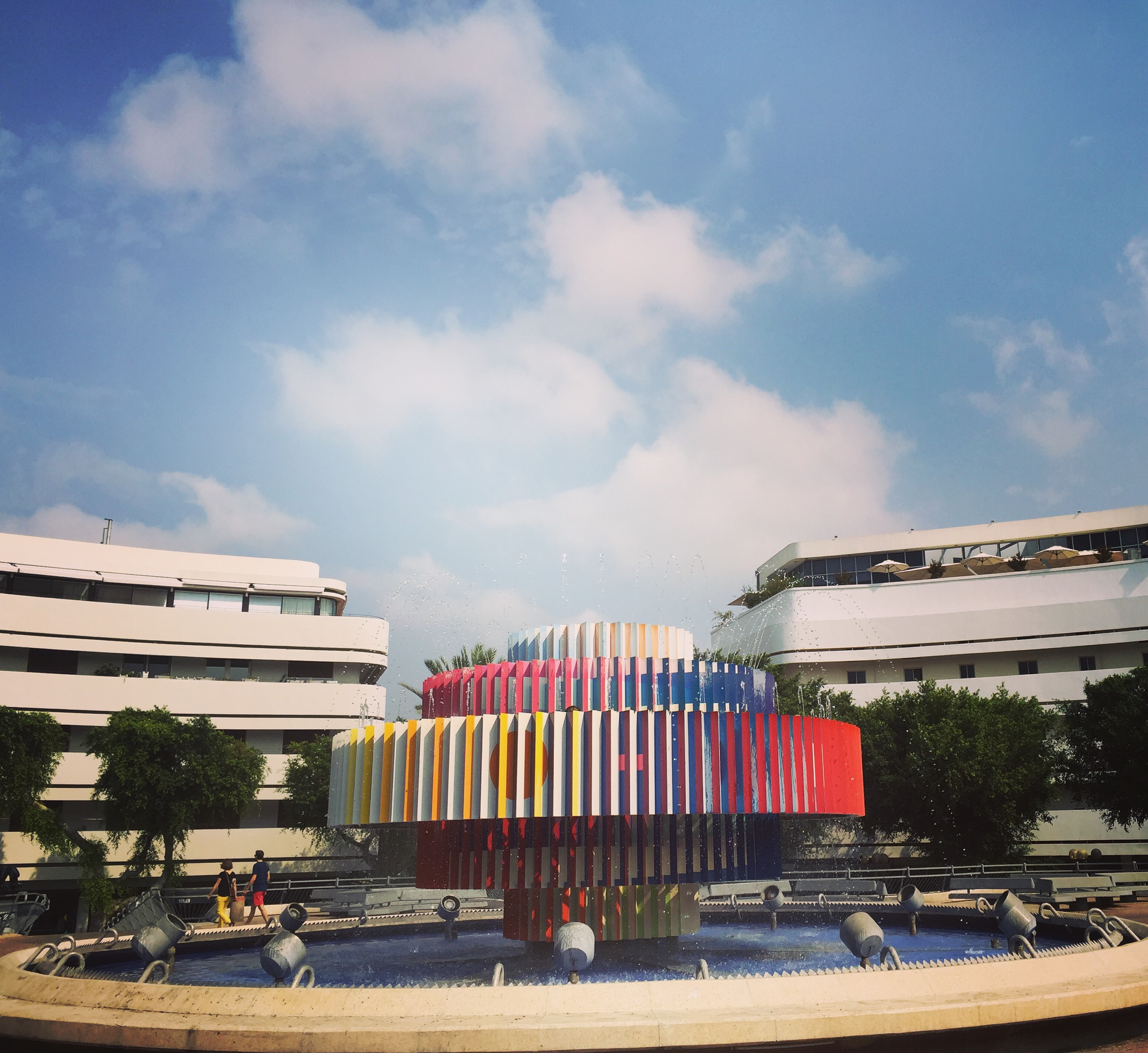
Tel-Aviv combines the flair of the Mediterranean cities like Barcelona (or better: Malaga), with the European influences. Established at the beginning of 20th century, Tel-Aviv was influenced greatly by the Bauhaus architects that fled from the Nazist wave. Hence the emblematic style is set in white, matching greatly the blue sky.
As my local friend put it, there is no checklist of places to see or things to do in Tel-Aviv. I was very happy to hear it, as I love just to wander around, sneak into bars, cafes, talk with the people and live the moment in the new places instead of rushing to tick the boxes on the sightseeing list.
And there is probably no better place to experience the long days and nights than Tel-Aviv. Truth is, I did not choose the safest moment to visit this place on Earth, but in the end I felt pretty safe. Even though one could literally breathe the tension which lives within the society.
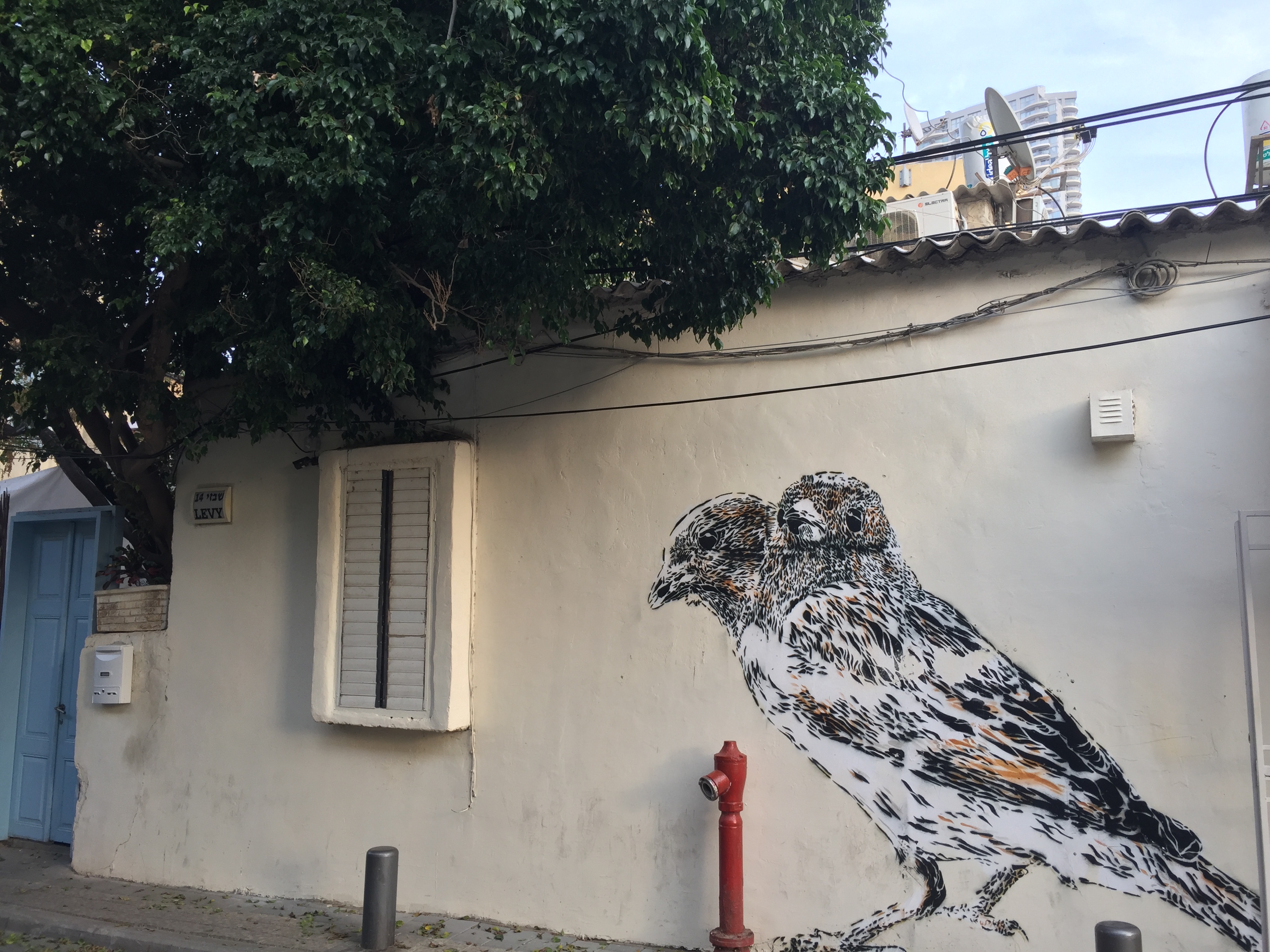
If tomorrow is uncertain, then why not simply enjoy the moment – I have heard about this mindset long before I came to Tel-Aviv, but living it on my own was a totally different thing. Strangers becoming this proverbial friends-of-a-lifetime, appearing in half-private parties just because you hear some great jazz music, eating out breakfast after sunset, finding urban art treasures on the least expected corners, or bathing in the warm sea, even though you can clearly hear the F-16 flying above your head.
The mix of the exotic, and the cosmopolitan – the tiny bubble of Tel-Aviv has it all within a walking distance – makes this place very special. I was there very shortly, but I know I want to come back, and experience more with a bit less naive sight.
Funnily enough, despite the sunshine weather, Tel-Aviv reminded me greatly of Berlin in some places, not only for Bauhaus influence, but also for the dramatic setting, laidback attitude, and last but not least: hipsters! So even though I was far away, on my own, I felt so much at home… Just like in this Karaoke Kalk records’ song, my lifetime nomad anthem.
The first time I heard about Iguazu was neither in my geography class or by reading a travel magazine. My first memory of seeing enchanting scene shot on the Argentinian side of the Iguazu Falls, was in Wong Kar Wai’s legendary movie “Happy Together”. So my dream started, like it happens sometimes, because of the powerful art:
I finally visited Iguazu Falls in September 2013, as a part of my trip around Southern Brazil, Uruguay, Argentina and Paraguay.
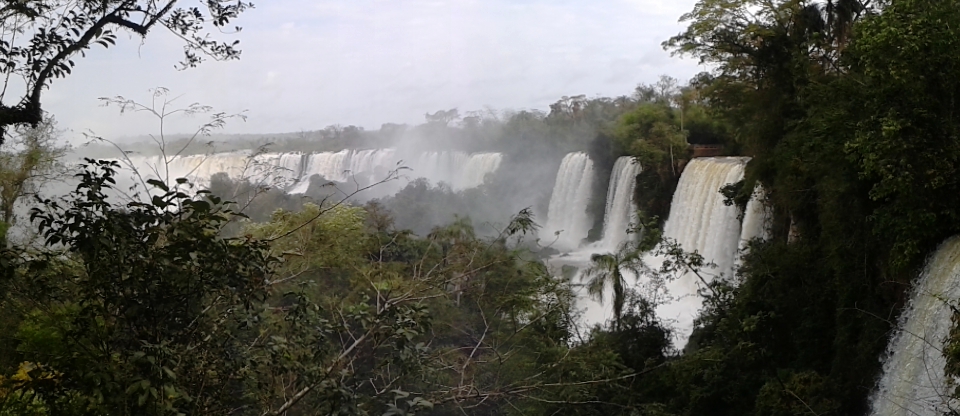
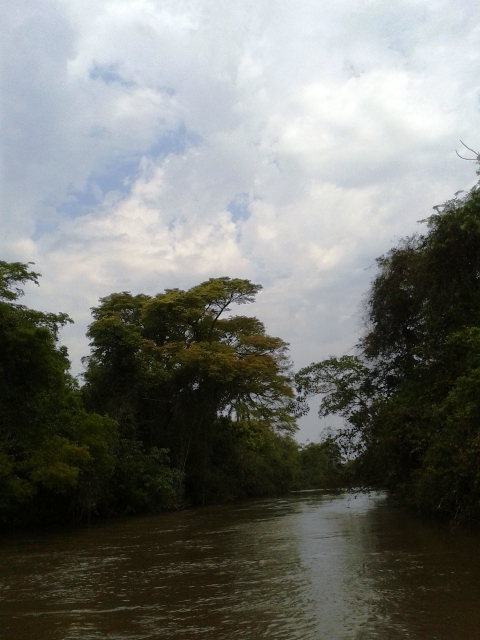
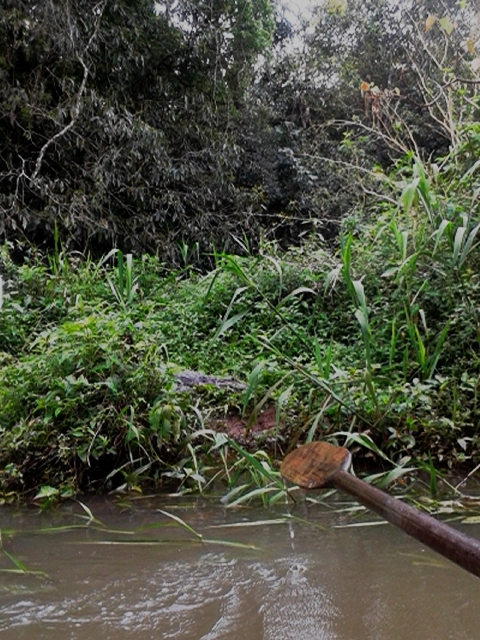
This magic land, striped between three countries separated by the natural border of the Parana river, is indeed a must-see for the nature-loving souls.
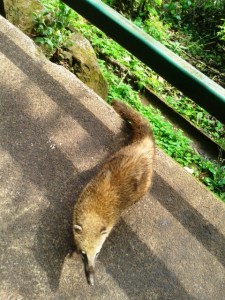
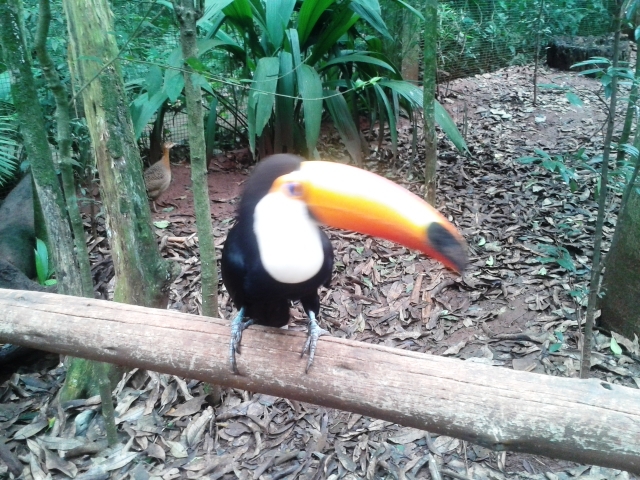
While hiking, or swimming down the river one can notice a plenty of wild animals such as aligators, tucanos, araras and – last but not least: coatis. These cute-looking four-legged coons can be seen almost everywhere, and they are not scared of people at all (contrary to beautiful tucanos which have learnt not the best side of the humanity…). But watch out, they will not only beg you for food, they will simply steal it from you!
I chose to stay on the Argentinean side simply because it offered more hotel opportunities, but visiting the neighbouring countries is not an issue. However, it is considered quite a dangerous border due to high volume of smugglers. They say that Ciudad del Este in Paraguay has a fame for being quite dodgy, but I would just say that it was the least interesting part of the journey. When on the Brazilian side though, I would say that visiting the Birds Park is a must: there are some wonderful species living under protection and yet not afraid of people. All of the above-listed pictures of araras and tucanos were taken there!
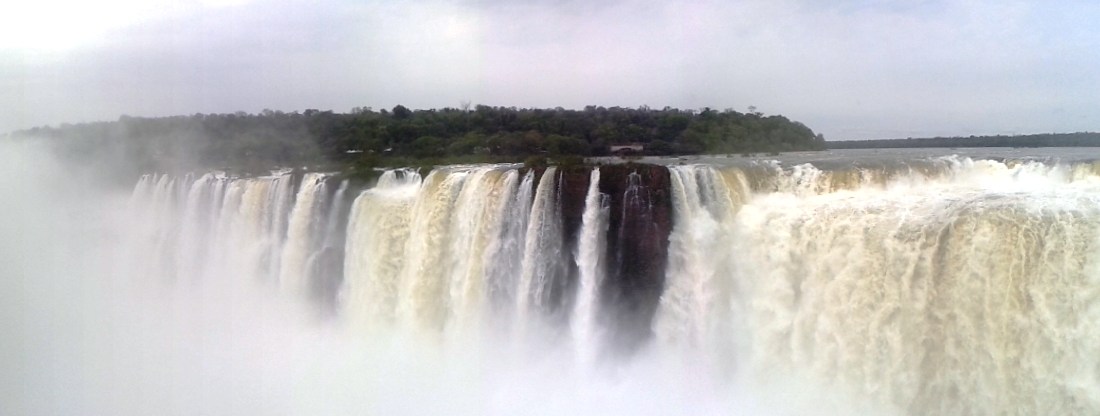
Both sides offer spectacular views and wet experiences, but I would say that the Argentinian is better-suited for the hike, and Brazilian one: for photo-taking. It is also about broadening your perspective while chasing the waterfalls: either looking over the Garganta del Diablo from the highest highs in Argenting, or experiencing it’s powerful stream in Brazil. Or sticking to the river, following the ‘Waterfalls’ song’s logic: while in Paraguay.
Two years ago I was on the road in the Southern Brazil. This was when, by default, I decided to visit some parts of Uruguay and Argentina. I always wanted to visit the ‘Southern Cone’ as they call the region of the southernmost countries of America, given the magical realism literature I was into, people I met in Barcelona coming from there and simply: curiosity to discover the most distant and remote places of this continent. This post gathers some memories full of sun, ocean breeze and laughter of a few days I spent with my friend Jimena in the Eastern Uruguay.
I met Jimena years ago in Barcelona and she was one of these people I instantly felt that I can get along with easily, so I was very sad when I learnt she was leaving town. I promised her the visit in her home country Uruguay though and – sooner than expected: I kept it. I was lucky enough to visit Jimena in a very remote, and charming location some 300 km east from Montevideo: Paloma, near Cabo Polonio.
Cabo Polonio is a peninsula where the colourful, wooden architecture is preserved, and you can’t get there by the land road, only via natural park and beach, where access is limited. People live there in peaceful surrounding of the Atlantic Ocean, endless remote beaches famous for spotting whales passing by this latitude regularly. In the wintertime sea lions and seals are also quite often seen guests.
I would like to dedicate this post to Jimena thanks to whom I could live the perfect ‘local authentic’ experience of a few days so close to the nature, living in a settlement which looked like a moon valley (see above), eat delicious fresh & sea food, and most importantly share precious moments together. As Jimena loves Portuguese much as I do, I’ll only say: muito obrigada, amiga!
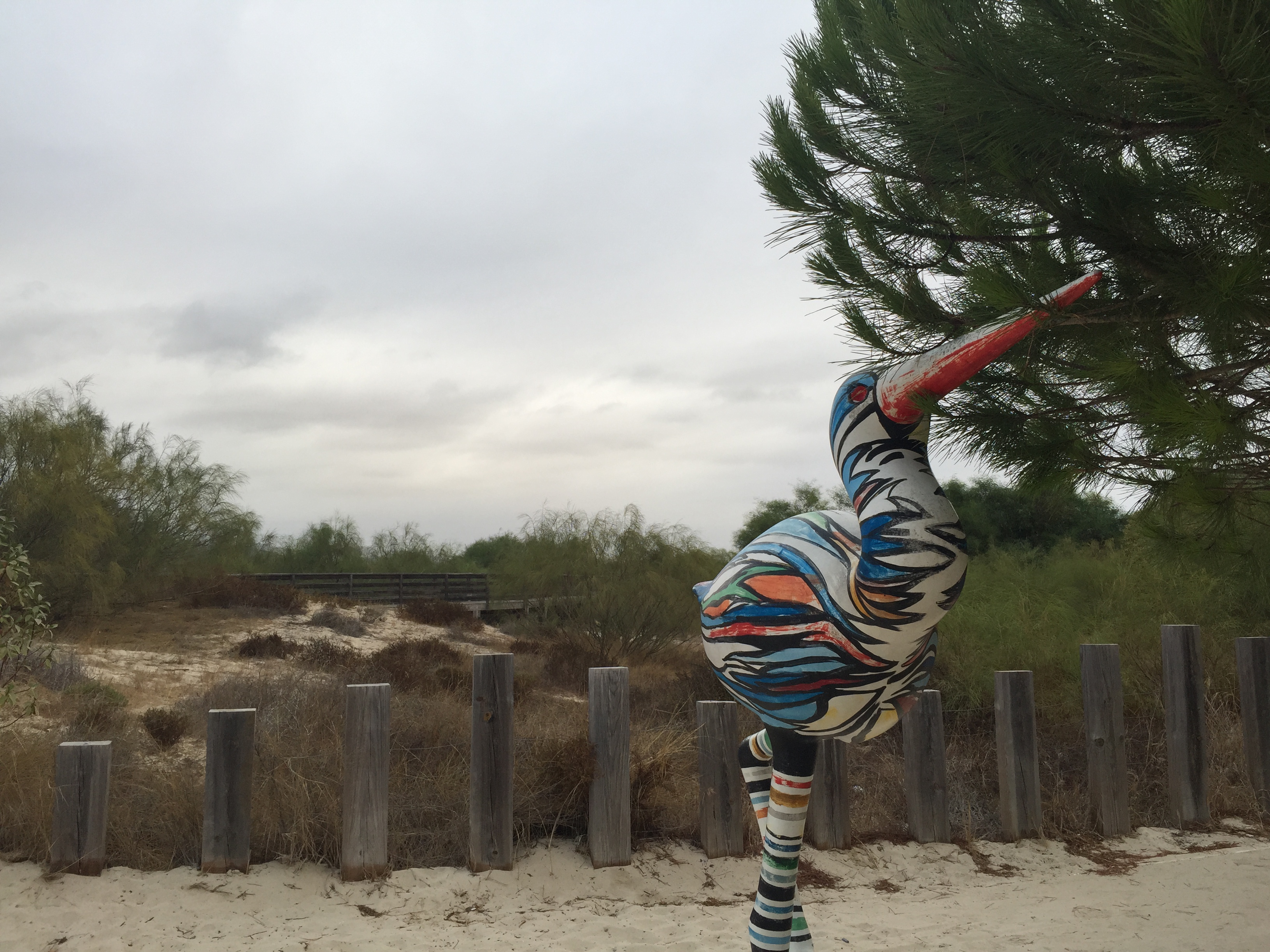
What is the connection between a remote peninsula in Alentejo and a well-known digital art conference? Well, both relate to the Trojan Horse. The conference and collective are named after a Trojan Horse (who) was a Unicorn, and its anual venue takes place in this remote, peninsular location of Troia in Portugal.
I was invited there last week to meet a bunch of concept artist, illustrators and animators from the film, entertainment and gaming world. It took me only two days to interview about 70 people and see their portfolios, some of them presenting pretty interesting (or at least: quirky) stuff.
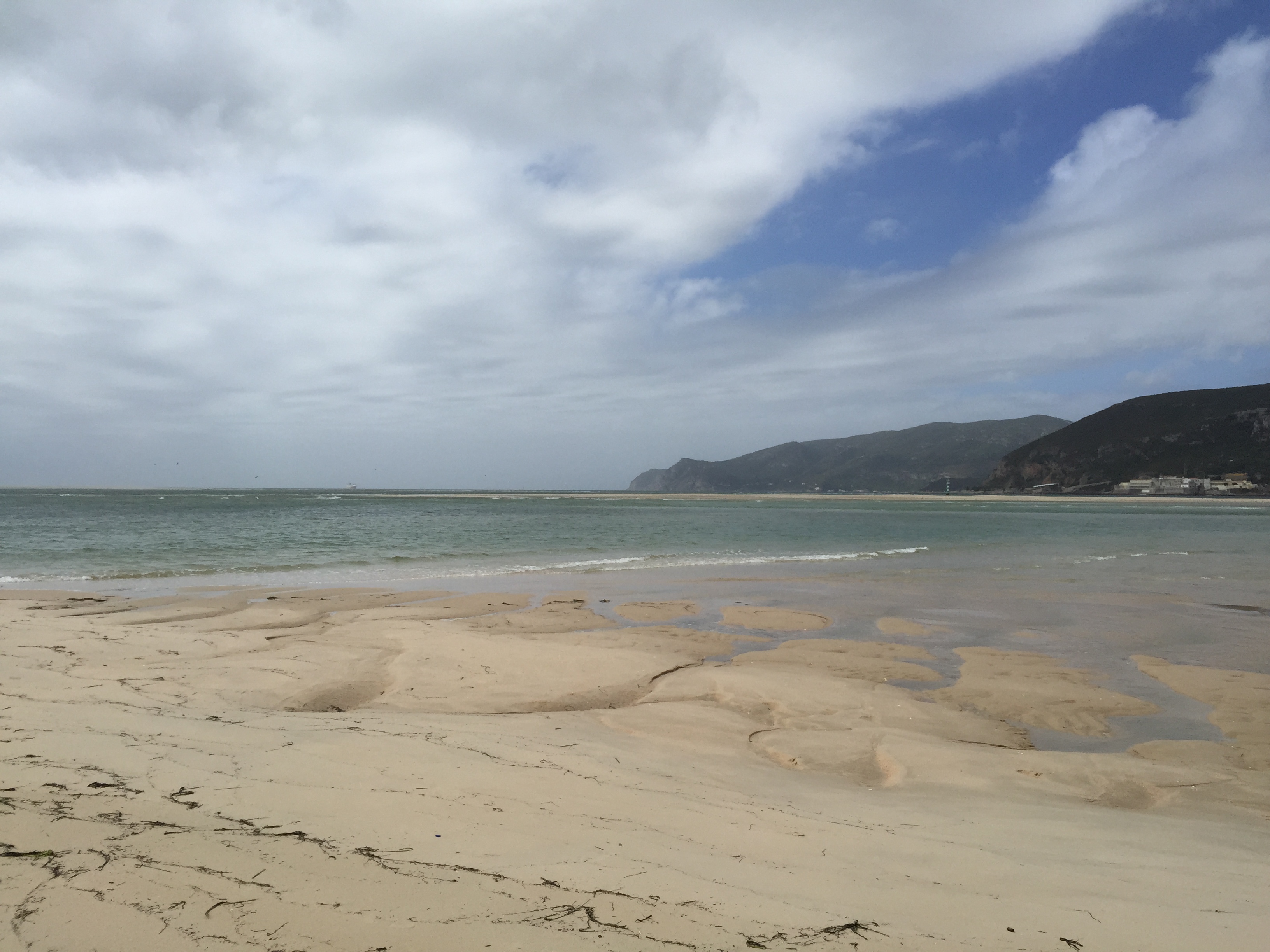
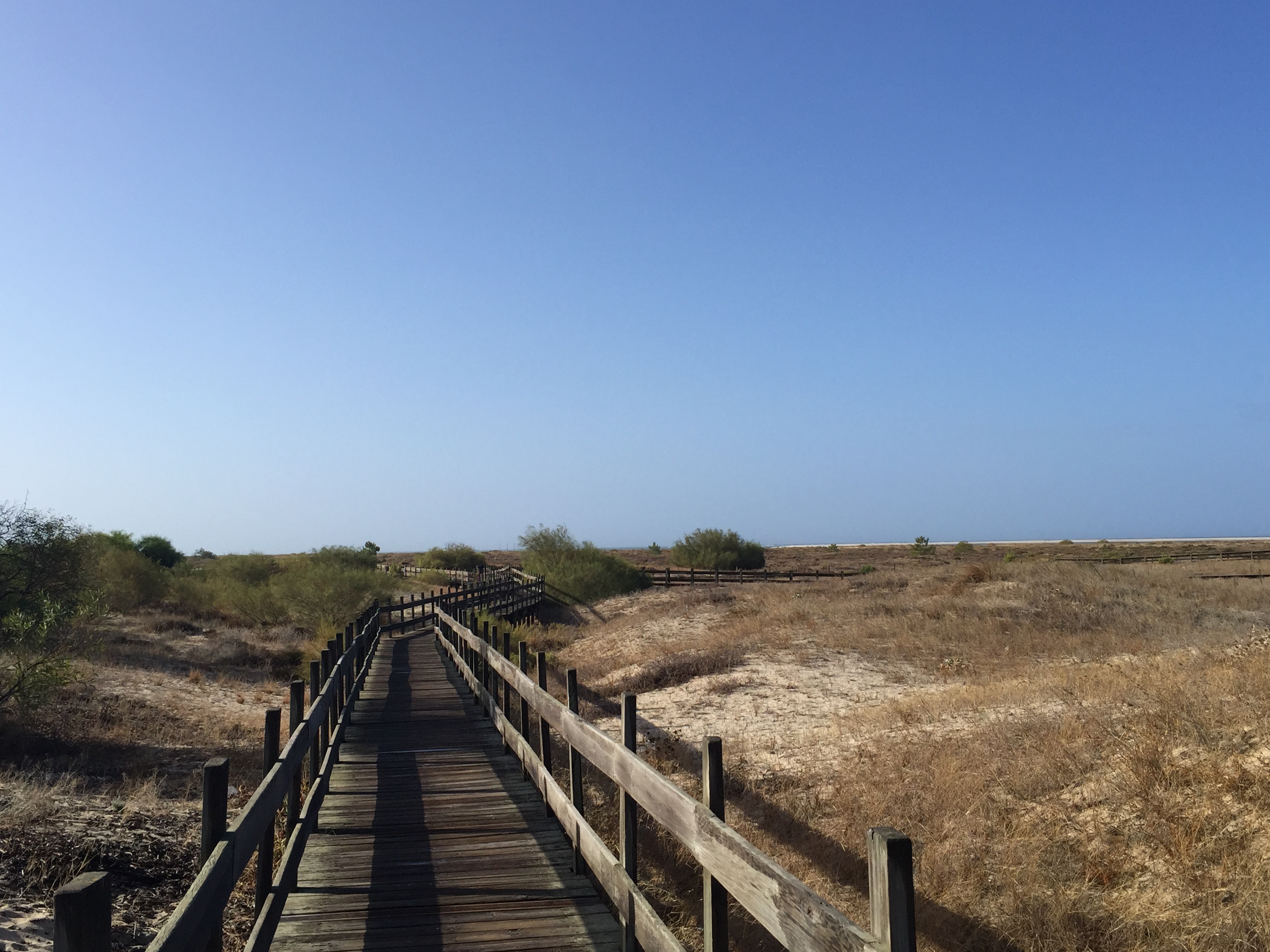
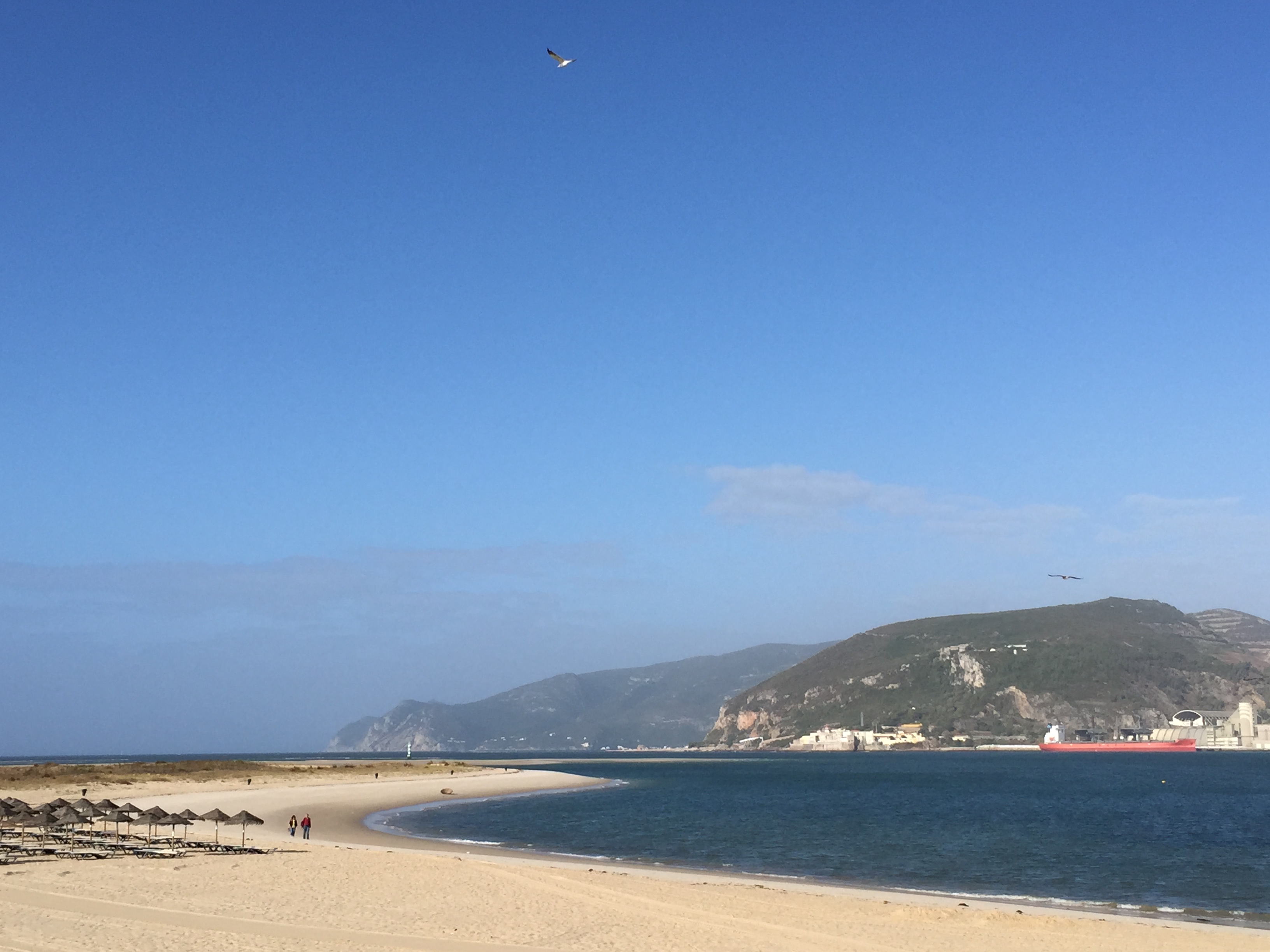
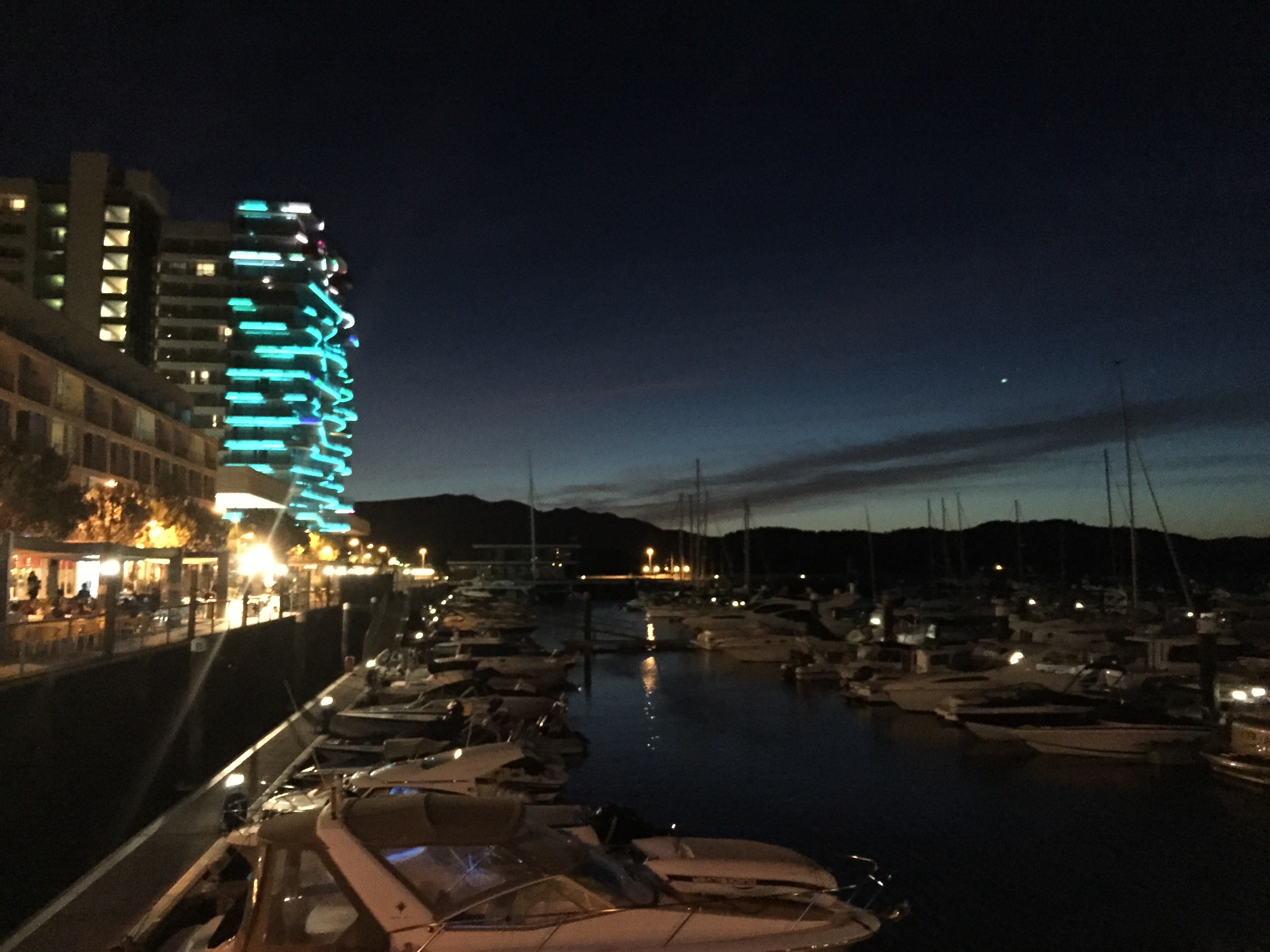
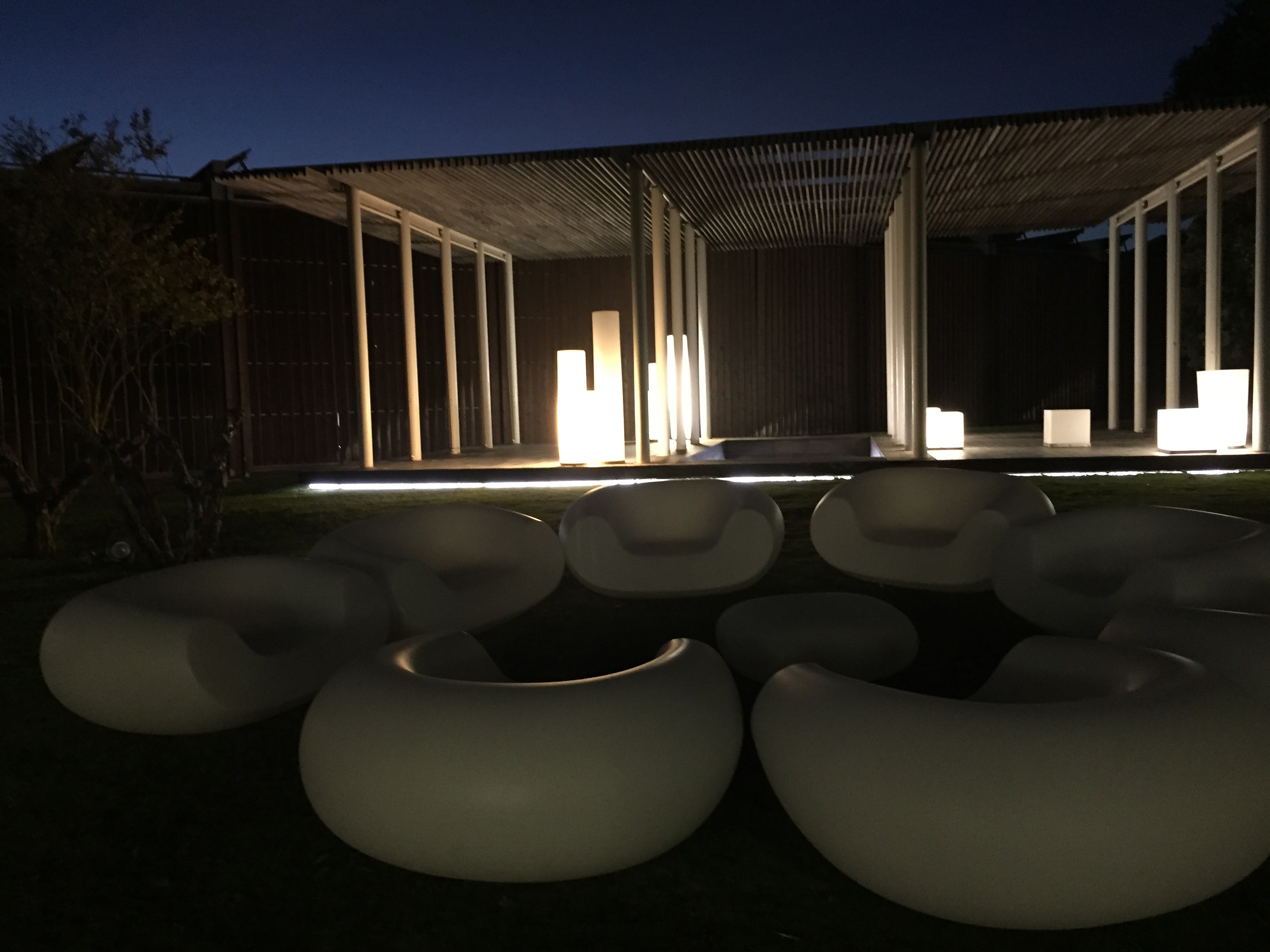
The place itself is also specific, to put it this way. Three years ago there was nothing more than a fishermen village on this enchanting peninsula South of Lisboa Metropolitan and Setubal anyway, surrounded by the Sado river estuary and Atlantic Ocean. Then, the luxury resort was built and although architectonically it’s not that much of a disaster, it has a strange feeling.
This is what happens often in places that offer great climate and nature sights all year round: it attracts greedy real estate investors. Hopefully Troia was not entirely covered in concrete and glass, and the National Park of Sado River Estuary was preserved carefully.
Being a complete sucker for Portuguese landscape, cuisine, language and what-not, I enjoyed my stay in the luxury village of Troia. Thanks to some tiny cafés and restaurants that remained there, as well as great companion of those who participated in the Trojan conference.
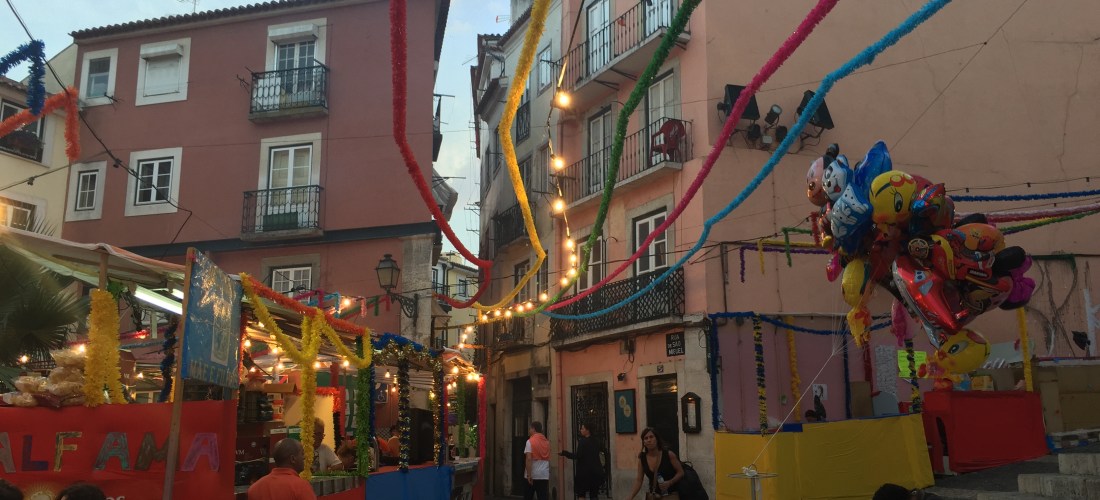
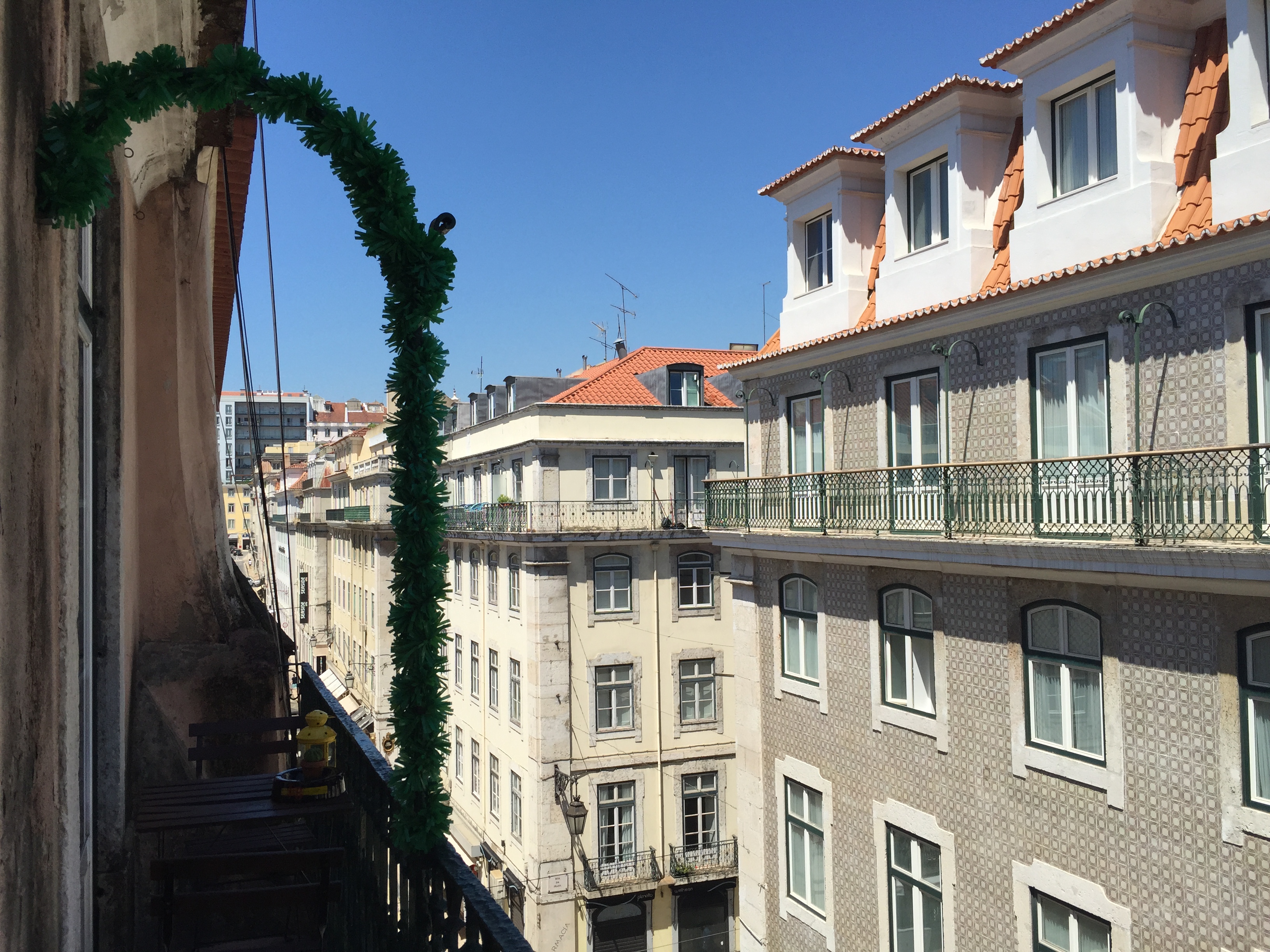
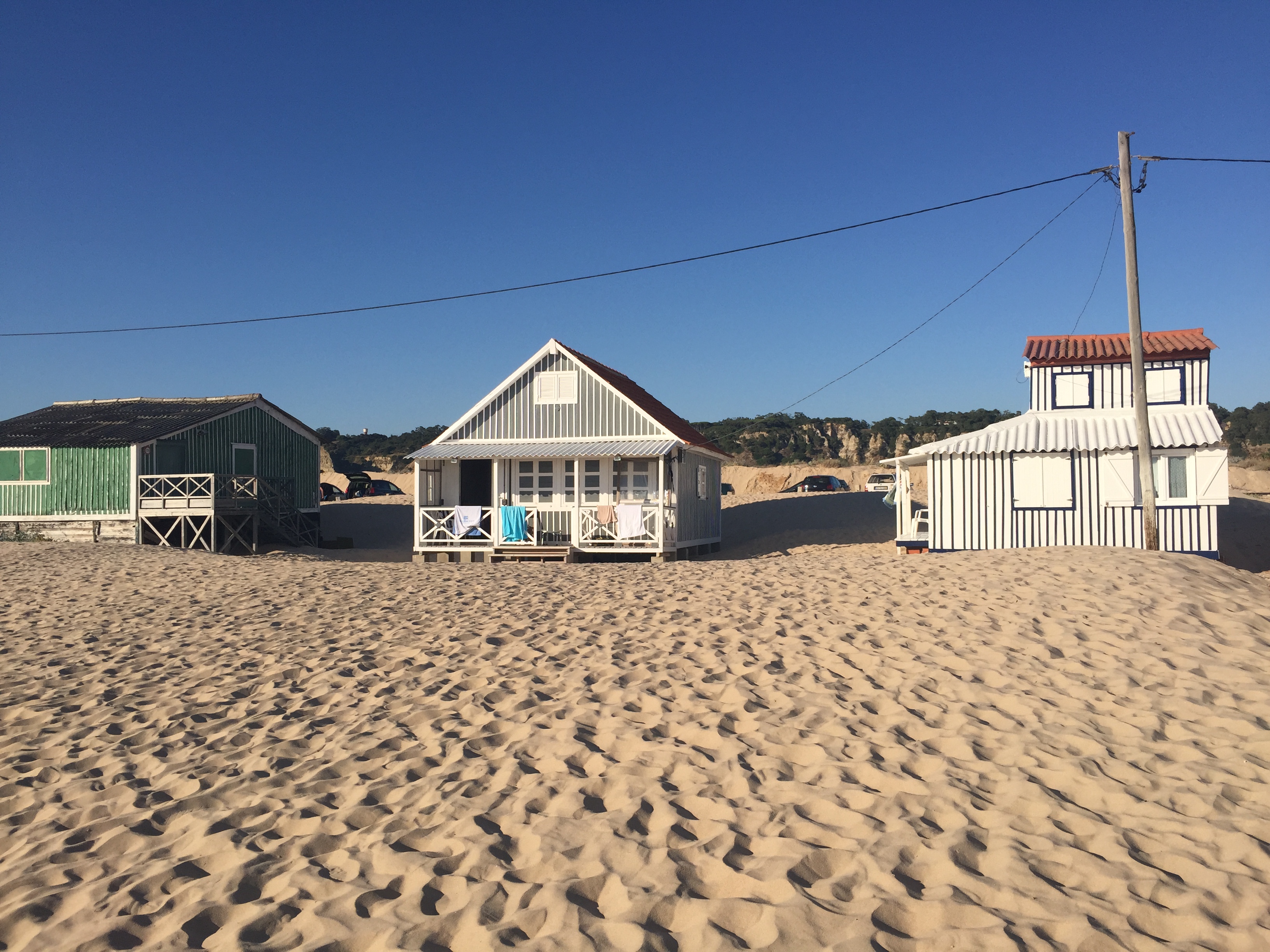
In June I re-visited Lisbon on my way to Azores and spend there two weekends. I was lucky enough to live the last days of the Santo Antonio festivities and visit my favourite beaches: Guincho and Caparica. The city shined in the light of the sun, or yellow lanterns during the night.
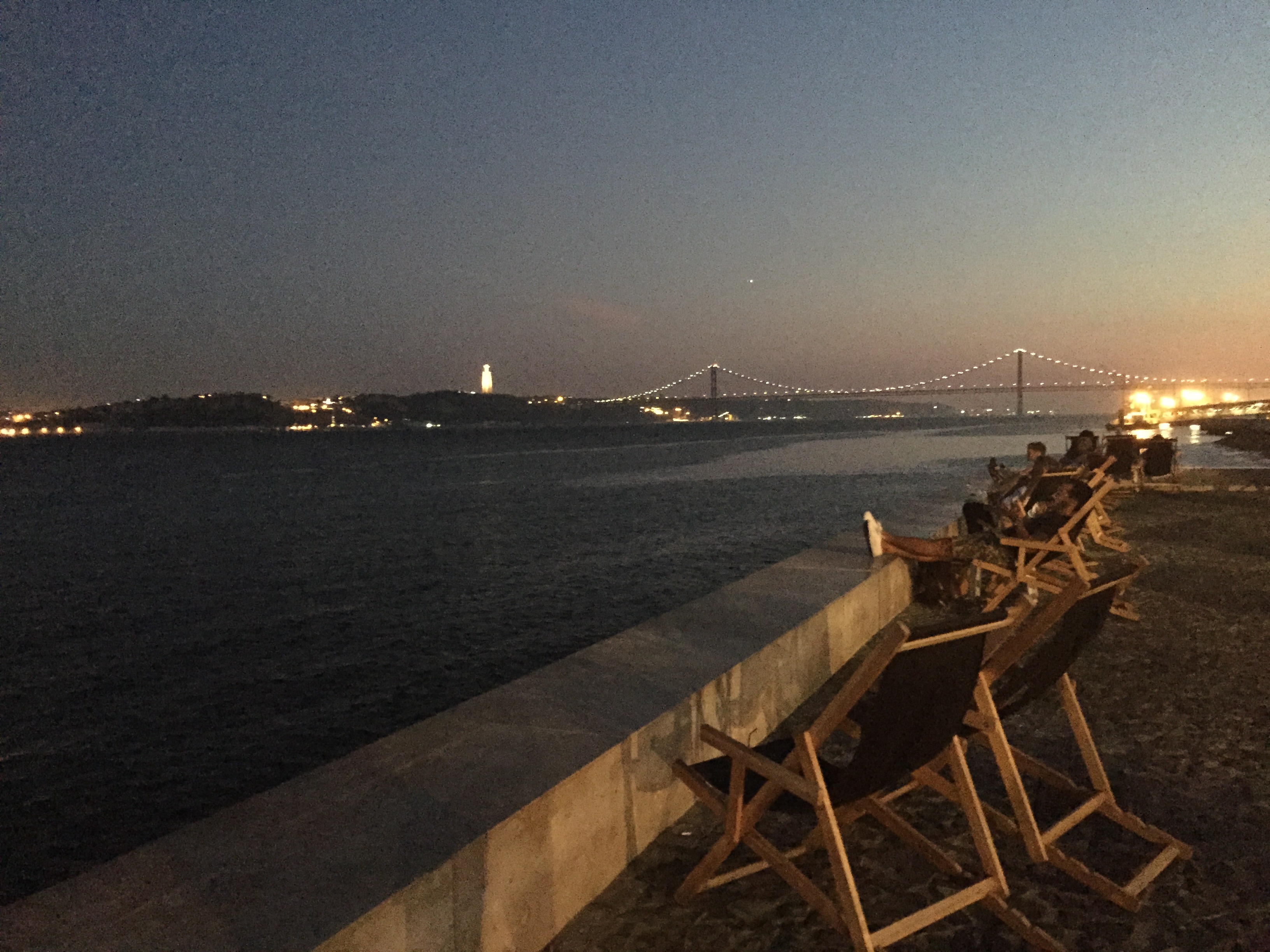
It changed greatly as well. The infrastructure is much better since the airport connects the city centre with a metro line. The Tagus river bank has now a boulevard to enjoy the sunsets while listening to the urban beat (often: Brazilian, Angolan combo of sounds – so good…). There are, however, more tourists than before. Lisbon became one of the ‘hottest European destinations’, and it is perfectly understandable. Fascinating history, quirky architecture, sunny weather, best beaches in Europe within 1 hour drive reach, great cuisine, English-speaking services and affordable prices. Sounds great, but too familiar for someone who lived 4 years in Barcelona, where ‘normal life’ has become unbearable due to the massive tourism.
That’s why I am worried that the authenticity of Lisbon is at risk. My Lisbon friends no longer visit Alfama, as it is mostly invaded by tourists on segways, or worse: tuk-tuks creating serious traffic jams (!) on the little cobblestone streets.
I don’t want to rant about tourism in general. This is what we all do if we want to discover new places, don’t we? But then let’s call it travelling. Lisbon is one of its kind, special location and I always love to come back there, but when I do, I try to respect the locals, and their everyday lives and customs.
I always feel so welcome on the tiny streets, bars and pastelerias where time stopped years ago. I look at the faces that have seen different times, and now staring at the unconscious or intoxicated tourists passing by with the same indifference. Yet if you try to live the spirit of the traveller living the night and day of Lisbon, you will notice the difference.
Bem-vinda seja, Lisbon seems to tell me anytime I land there. And soon I’ll be there again, on a my way to a very interesting art conference!
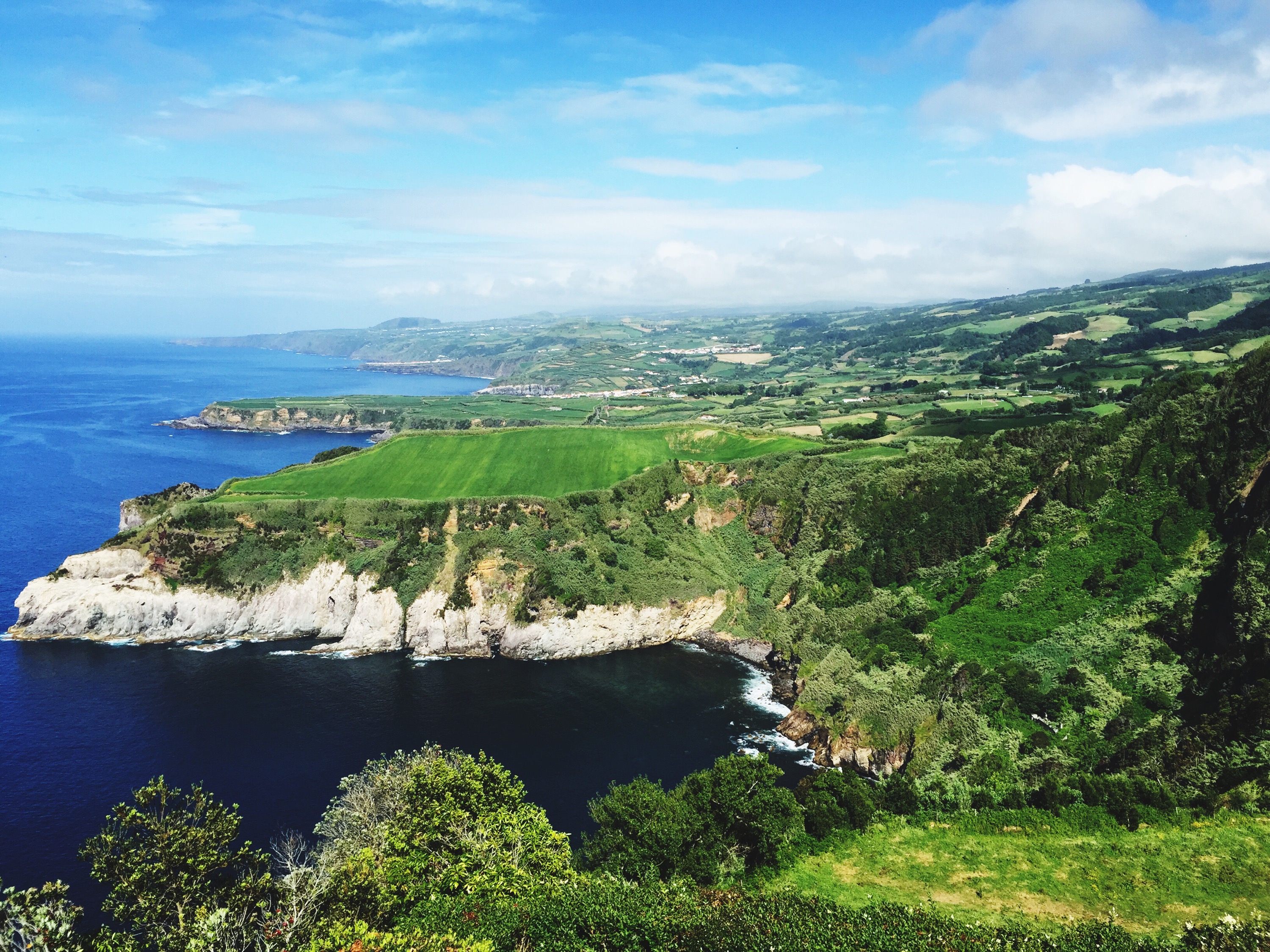
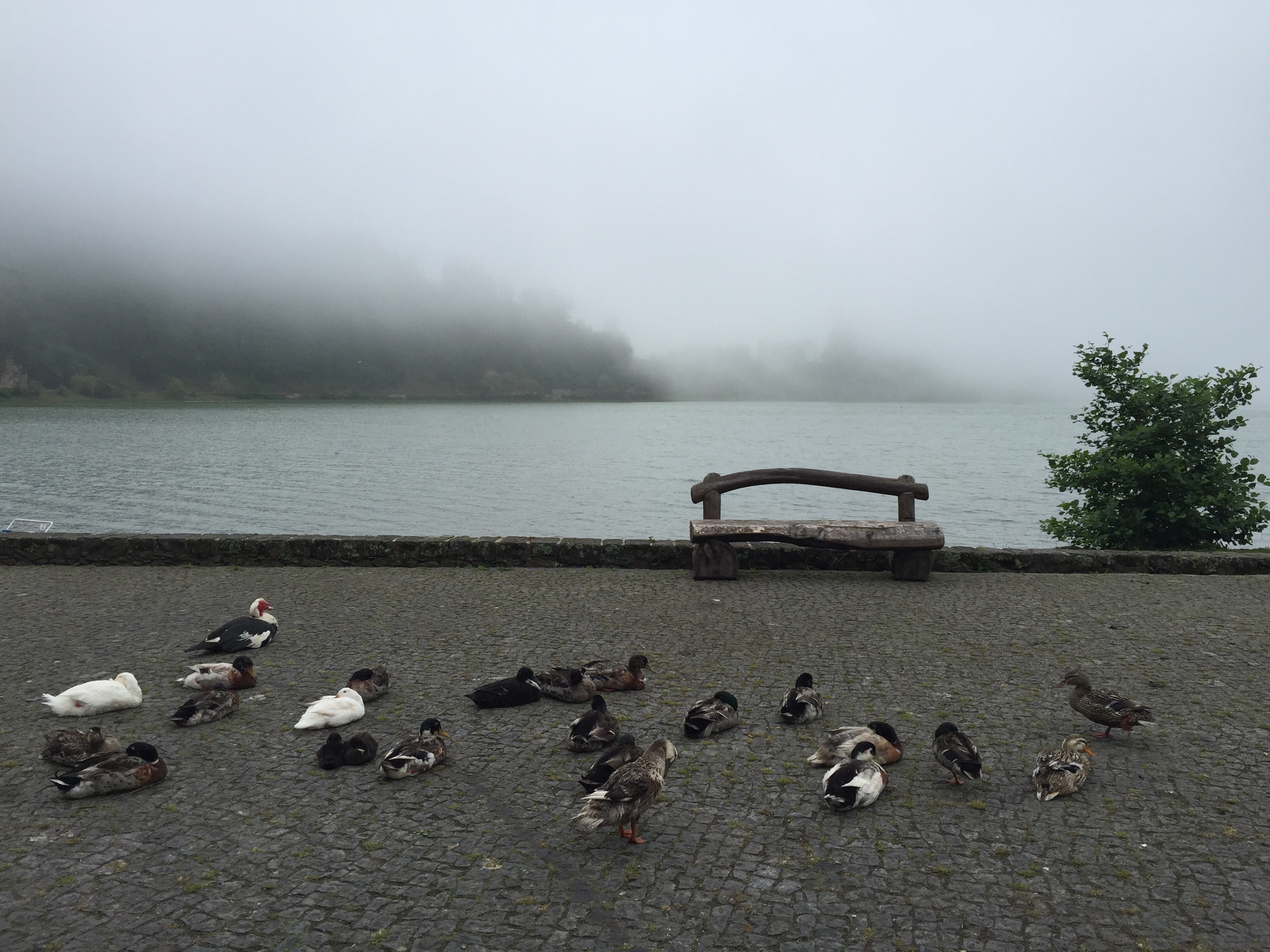
This is my last post (for now!) about the paradisiac island São Miguel, the most accessible one from the Azores archipelago. I have already written about its very special capital, and about the inland treasures. There is probably much more to write about, but I deliberately would like to leave the pictures taken in Sete Cidades (“Seven Cities” in English) and on the shores of the island to speak for themselves.Panoramic view over Sete Cidades and its Green and Blue Lake (Lagoa Verde and Lagoa Azul). The name of the town comes from the times of building a sustainable, democratic power in this part of the island, taking the votes of São Miguel’s seven cities representatives. Sete Cidades is located in the westernmost part of the island, in the picturesque setting of the crater lakes. The difference in colours comes from the fact that one is more affected by the algae. However, the effect is indeed magic, and could probably be a great Portuguese candidate for the Seven Wonders of the World.
On the northernmost shores of São Miguel one can experience equally breathtaking views and try tea or pineapple from the local plantations. Actually, Azorean tea is the only one remaining old-fashioned producer in Europe. The delicate taste of Cha (eng. tea) Gorreana reminds me of this wonderful trip anytime I drink it back at home…To finish off this chapter, I would like to share my last moments on the Northern tip of the Island, where the peninsula is funnily shaped like a tartaruga (eng. turtle). I did not say ‘adeus‘, only ‘ate logo’. Next time I’ll visit Azores, I’ll try to sail or fly to the smaller, less accessible islands, I’m sure it’s worth to touch again this piece of paradise in the middle of the Atlantic Ocean.
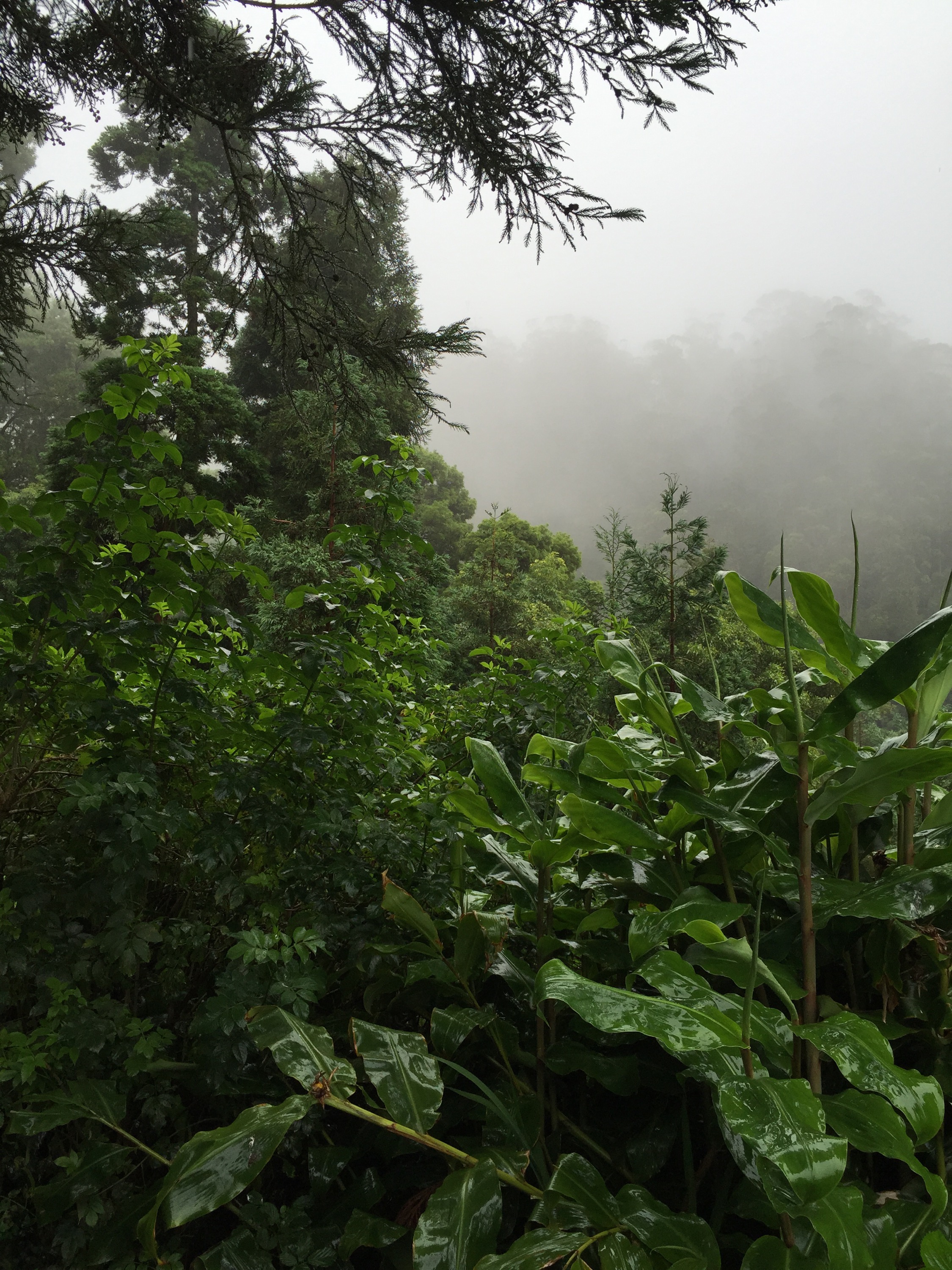
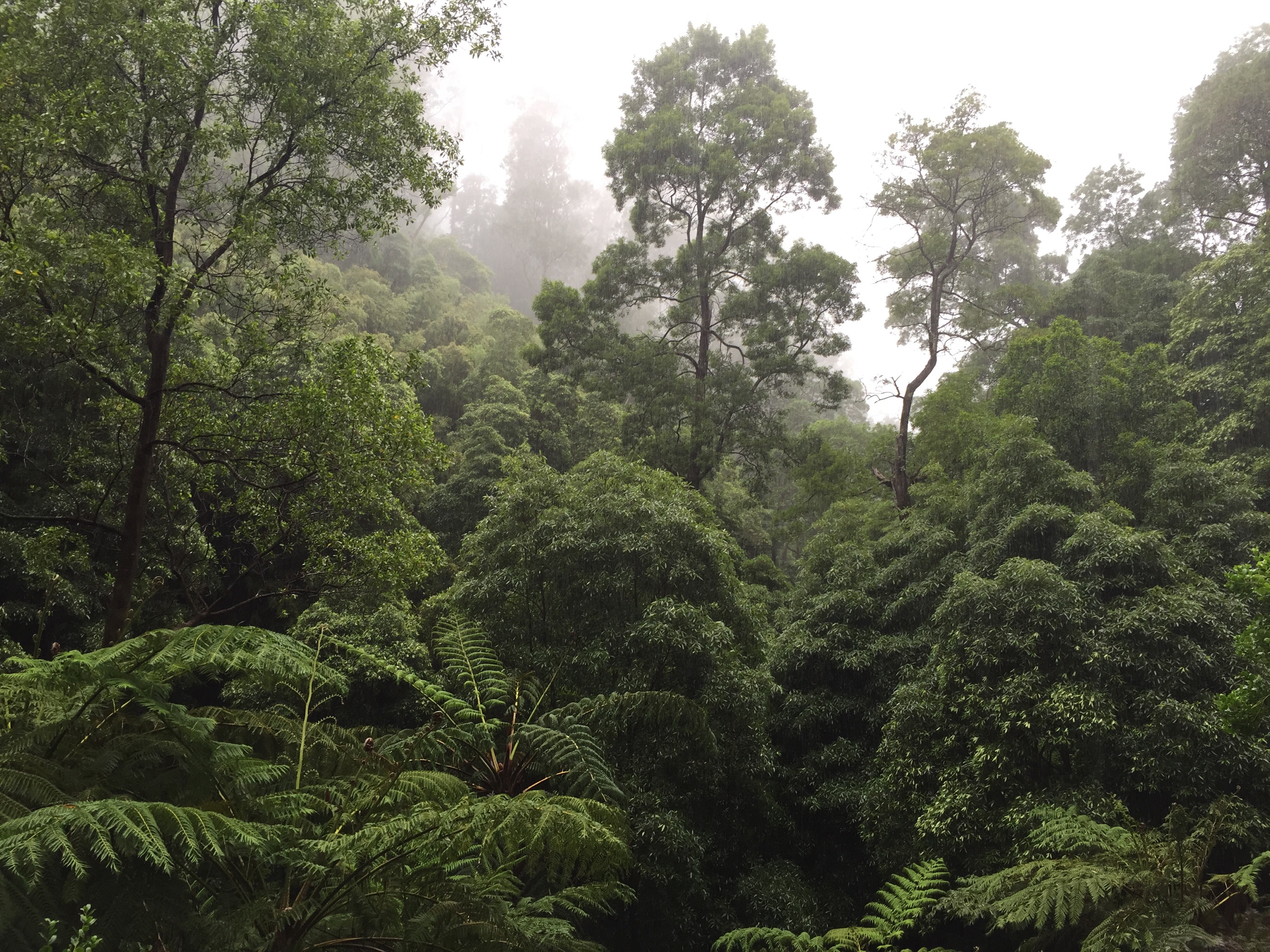
São Miguel is not an island for lazy bones. The island has its unique microclimate, varying from tropical, to moderate and windy at the coastline. While visiting the inland of São Miguel, make sure you go prepared for 7 seasons! But most importantly, prepare for breathtaking views and picturesque landscape, which is still not empoverished by the massive tourism presence and is ideal for a day-long hiking.
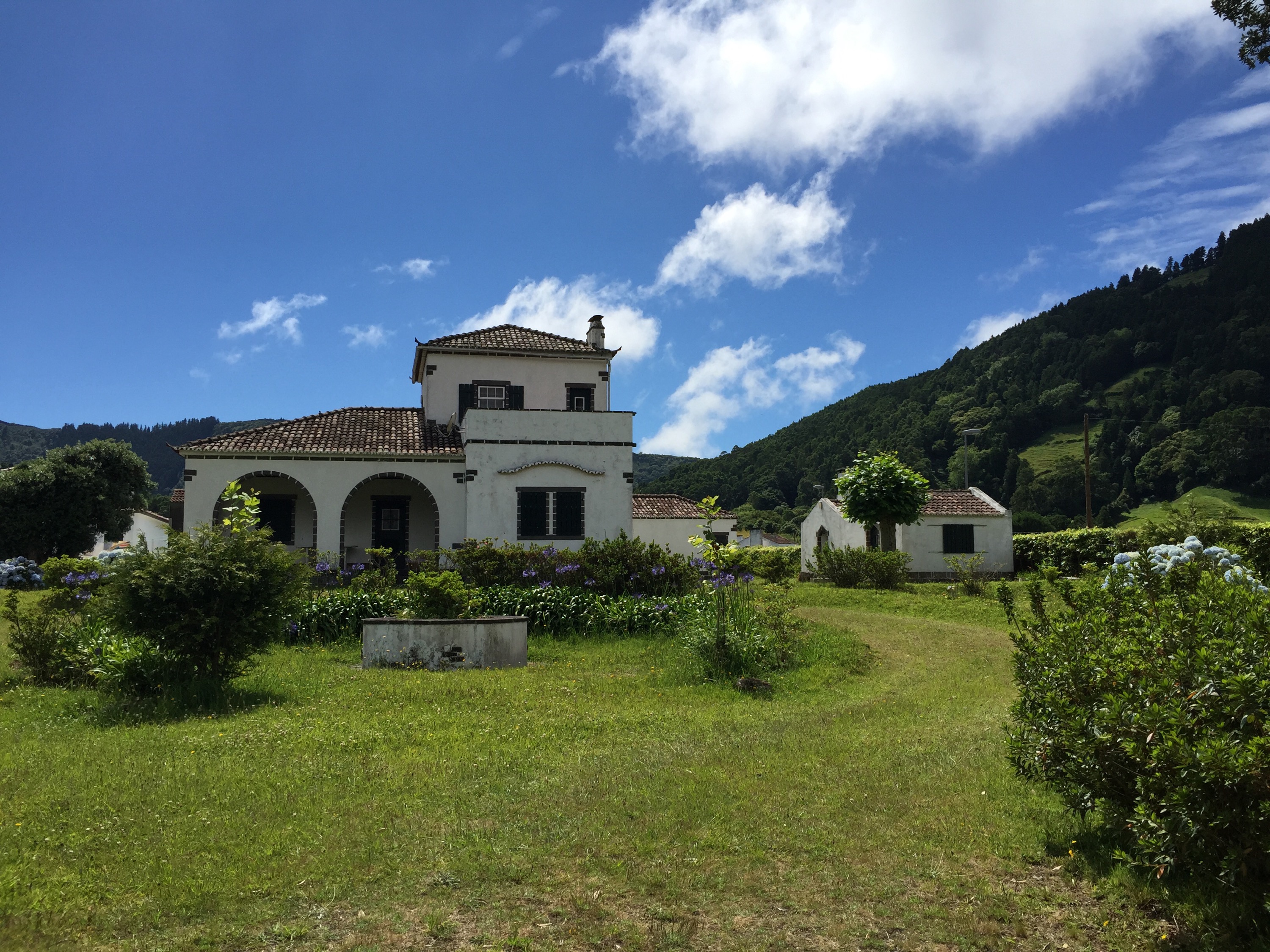
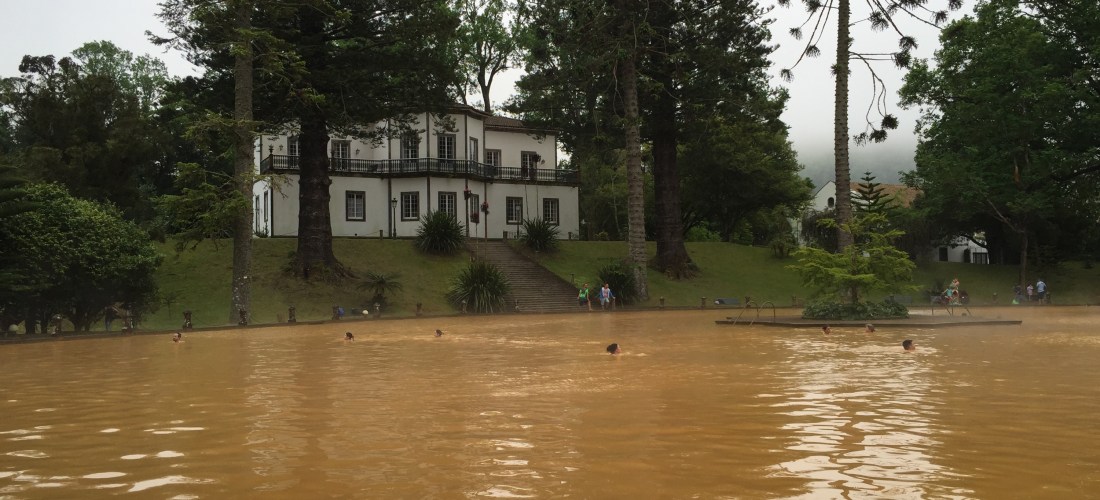
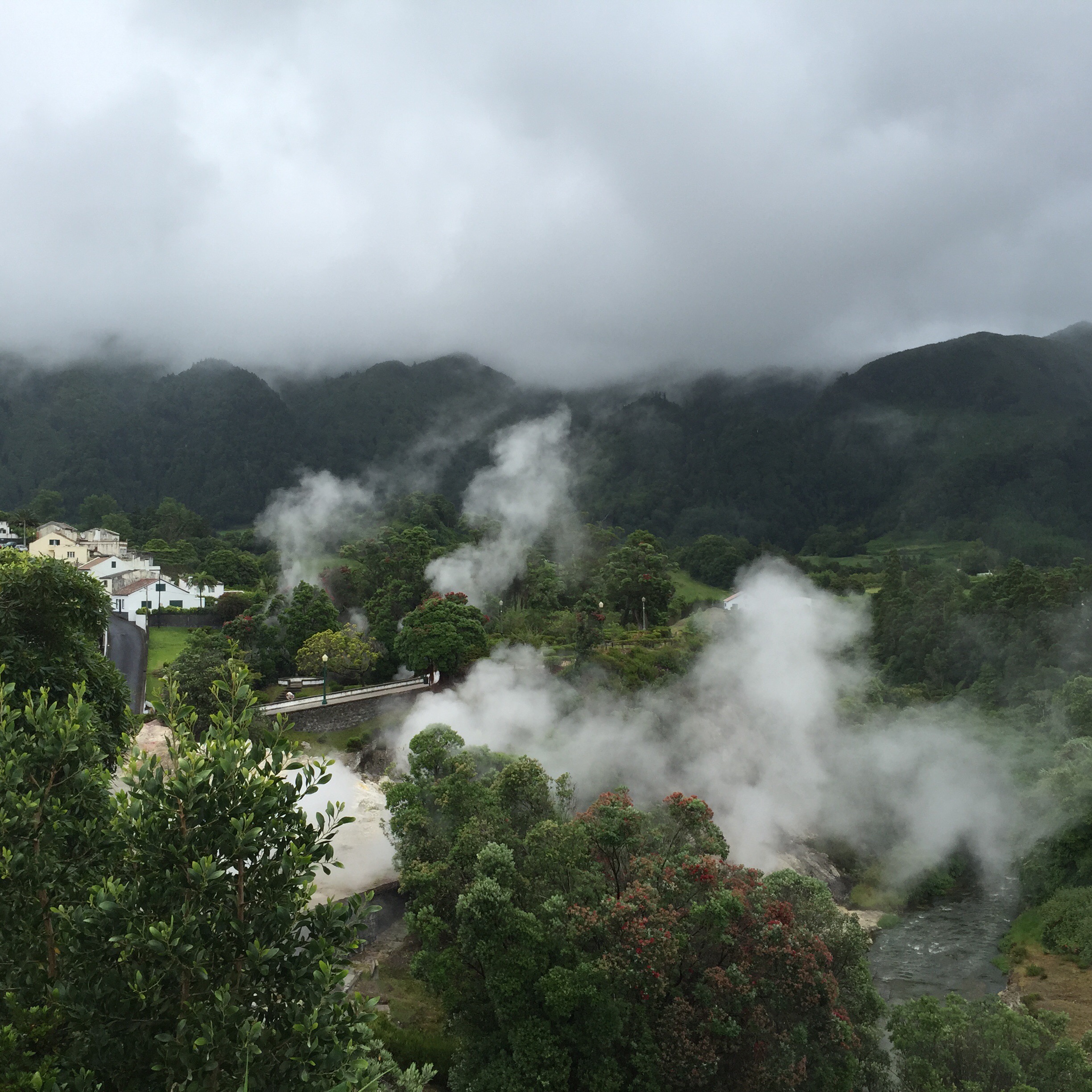
Given its volcanic origin, one can find various crater lakes which can be reached by winding roads from lovely and so unpretensciously named towns such as: Ponta Delgada (“Thin Tip”), Rabo de Peixe (“Fish Tail”), Ribeira Grande (“Great River”) or Furnas (“Heater”). The truth is, it can get very warm and humid when you enter the green forests on the sleepery hills. When the rain caught me on the trail to Caldeira Velha (definitely my fave name “Old Boiler”), I did not think twice to jump in the hot spring.
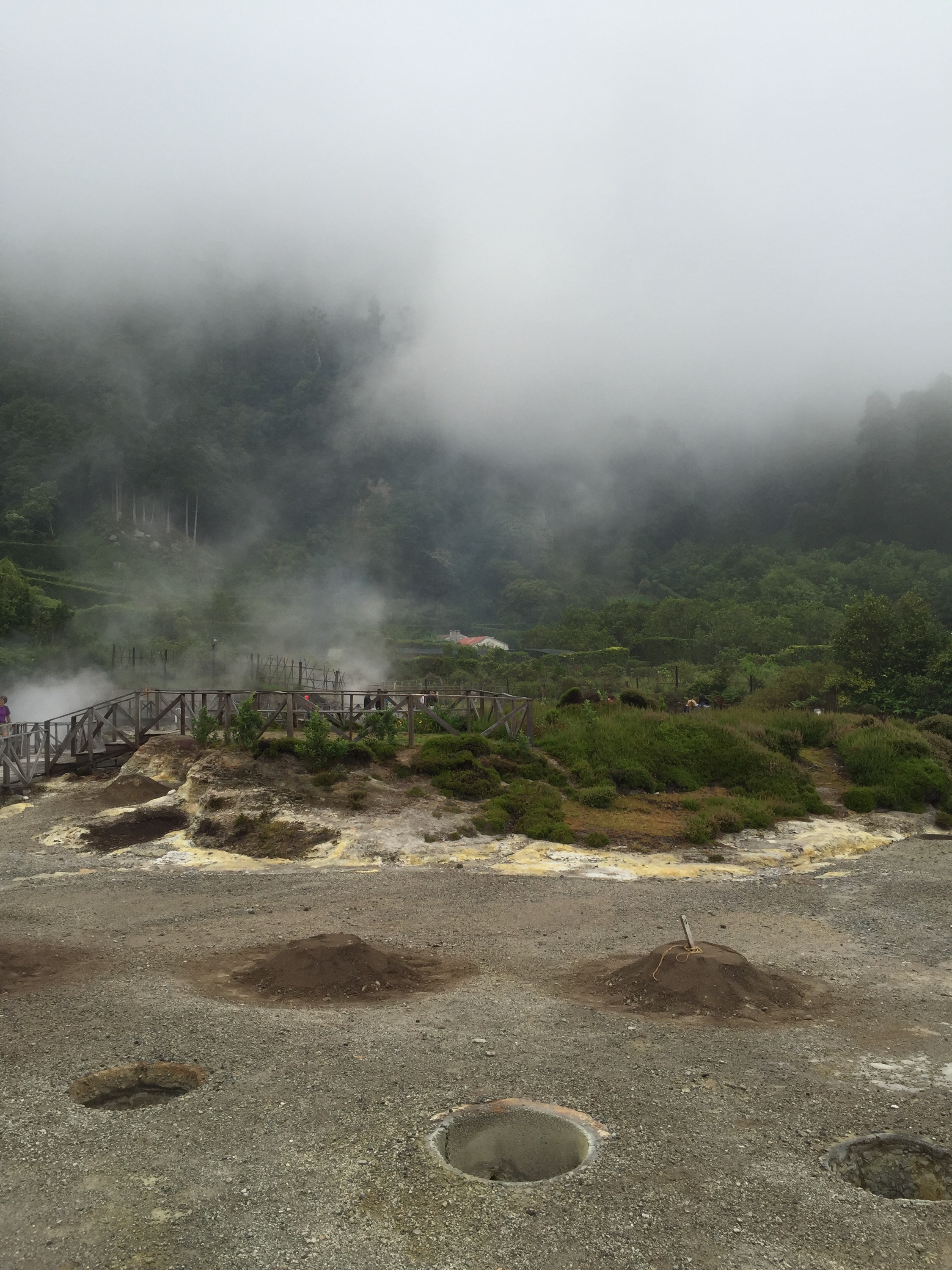
Hot springs, full of iron and other minerals are a free retreat offered by Mother Nature on this heavenly island. Another interesting fact is that in Furnas, the typical dish called cozido (“Cooked Meal” – another brilliant and self-descriptive name!) is prepared… below the ground. It takes about 8 hours to prepare a dish consisting of various types of meat and vegetable stew buried in a huge metal pot.
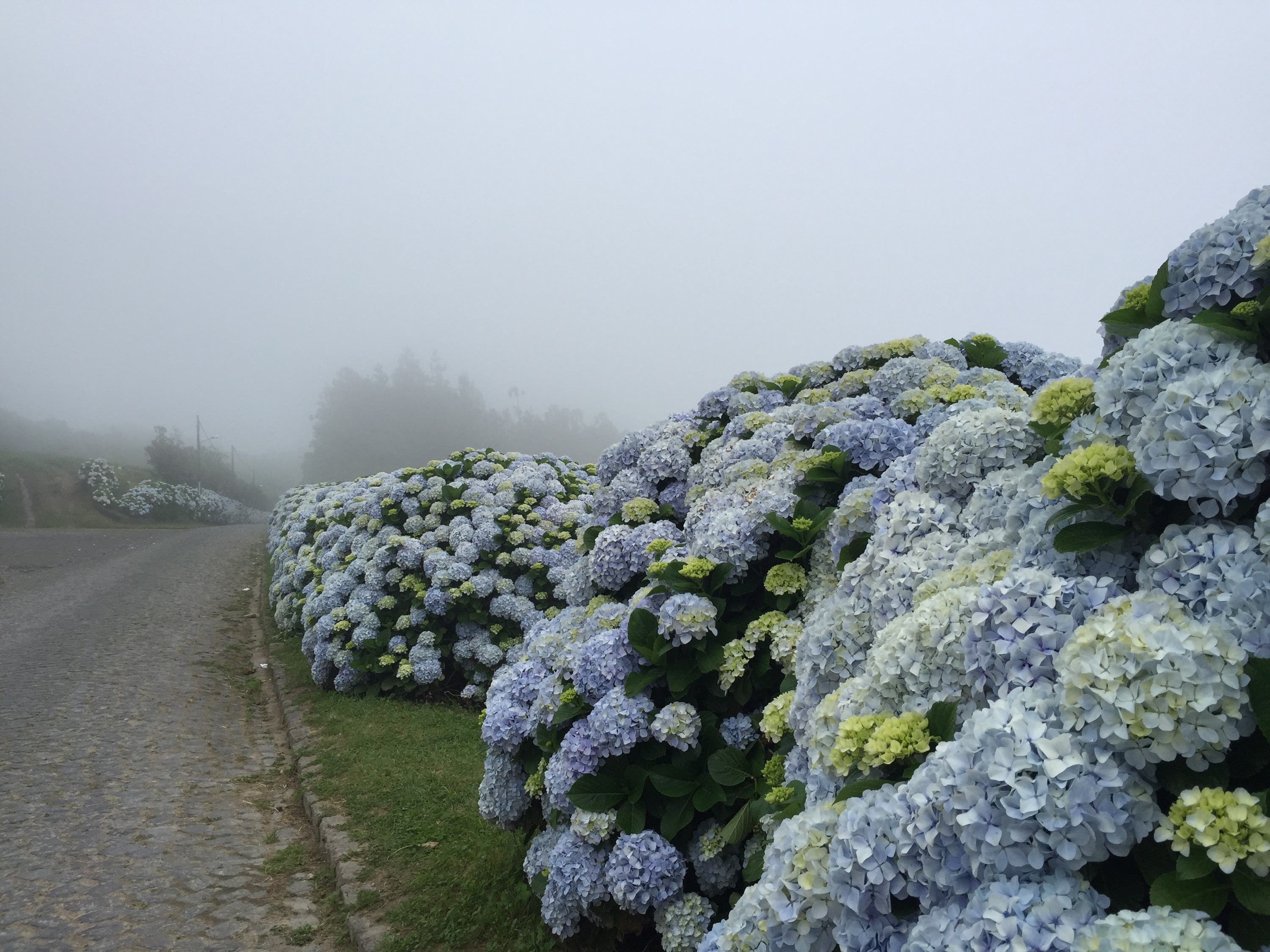
Yes, exactly like this one. Inside, the geothermal temperature goes up to 90 degrees Celcius, offering fantastic conditions to cook a very delicious stew. The inland hills and roads are also very mystical. Almost all the roads are naturally decorated by hortensia (eng. hydrangea). The reason for it is also pretty simple: once upon a time, man discovered that cattle somewhat hates the smell of it. By planting it by the road, he made himself sure that the cows won’t be passing it. By now, these beautiful flowers grow almost everywhere the roads of the island, making São Miguel a particularly picturesque place to wander around and never come back.
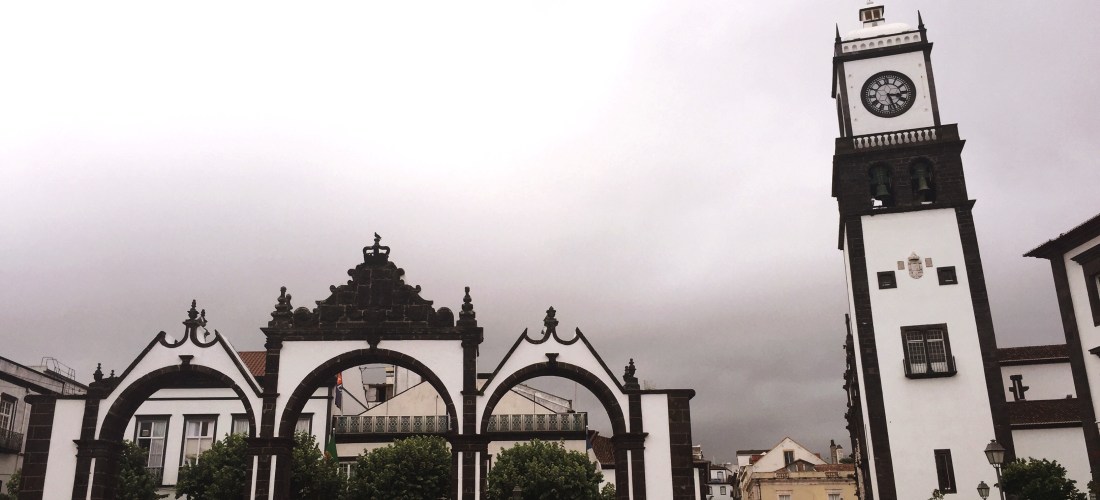
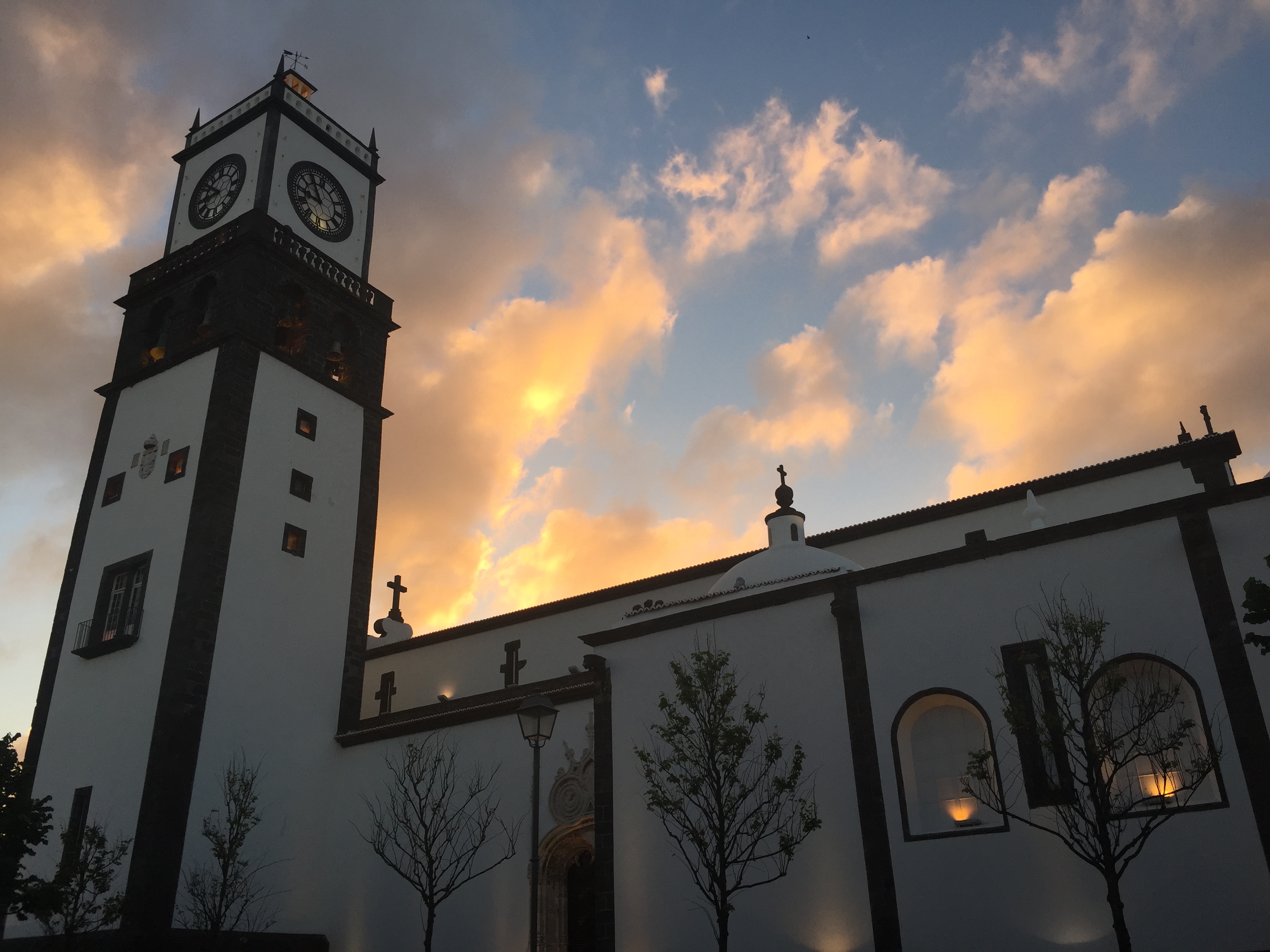
Ponta Delgada means literally ‘Thin tip’, and is a capital of the enchanting archipelago of Azores I was lucky enough to visit a few weeks ago. But don’t be mislead by the name: its airport is definitely not such a thin stripe as the one on the Madeira Island and is already pretty busy. Ponta Delgada can be reached with the direct flights from Oporto, Lisbon, London and Amsterdam, and also from the other side of the Atlantic Ocean.
I
Since it’s the first year of having the low fare airlines operating to Azores, the question is: for how long will the islands stay so peaceful and conserve its remote charm? It is true that there are three times more cows than inhabitants of the São Miguel Island, still being the biggest one of the Azorean archipelago. There are not too many hotels, or pensions (I stayed at the Azorean Urban Lodge, and recommend this experience very much!). However, it already looks pretty welcoming and offering a great deal of the infrastructure, including organized trips, hikes and excellent cuisine to the visitors.
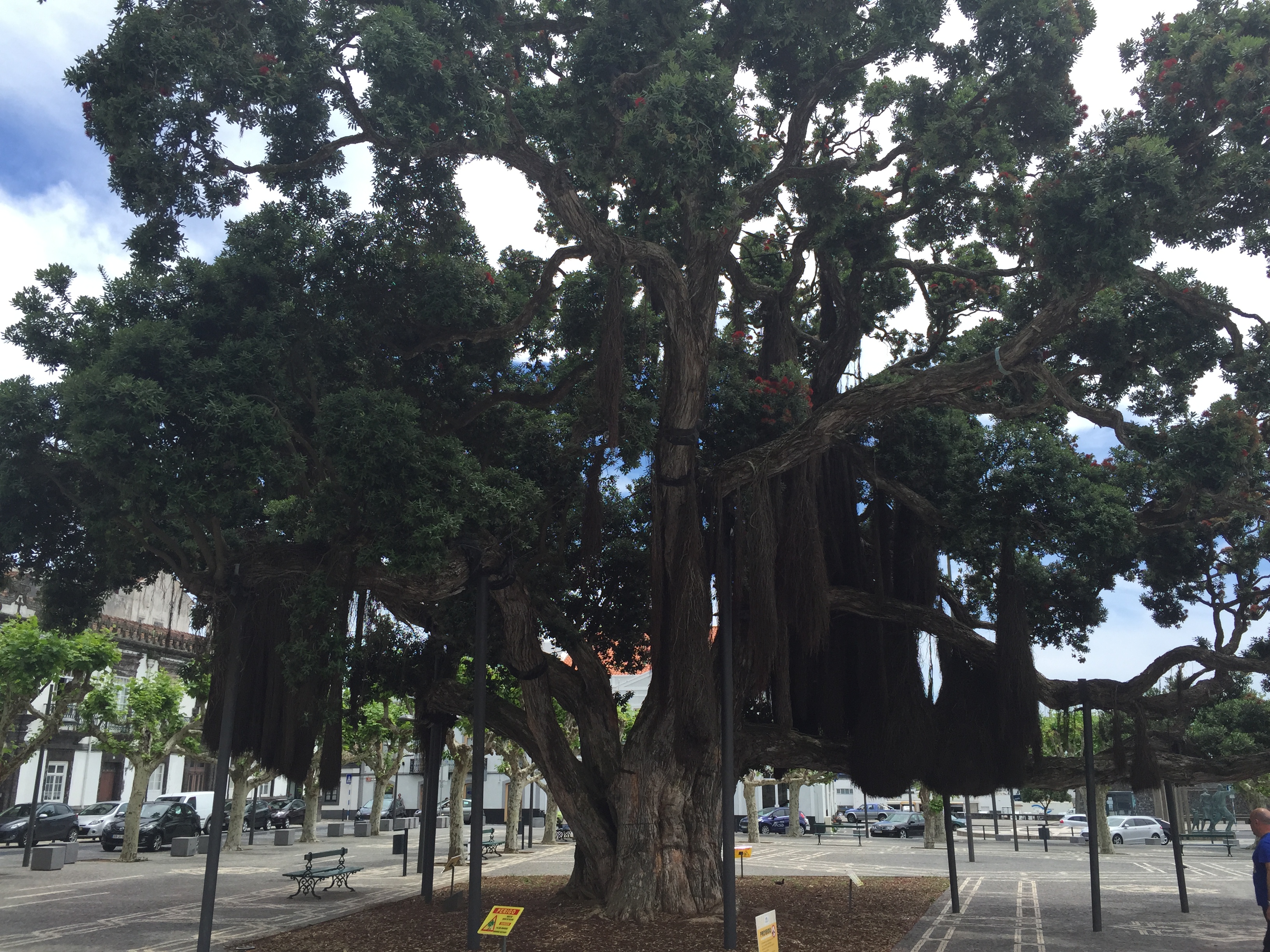
Some parts of the city look pretty abandoned, given the historical emigration rate, mostly to the East Coast of the US and Canada. Some buildings revive its ‘2nd life’ though, given the art-friendly policy of the city. Don’t be surprised if you notice some popular mural painters’ art on a random backyard street. Or if you see the endemite trees imported from the New Zealand during the colonial times. Expect the unexpected!
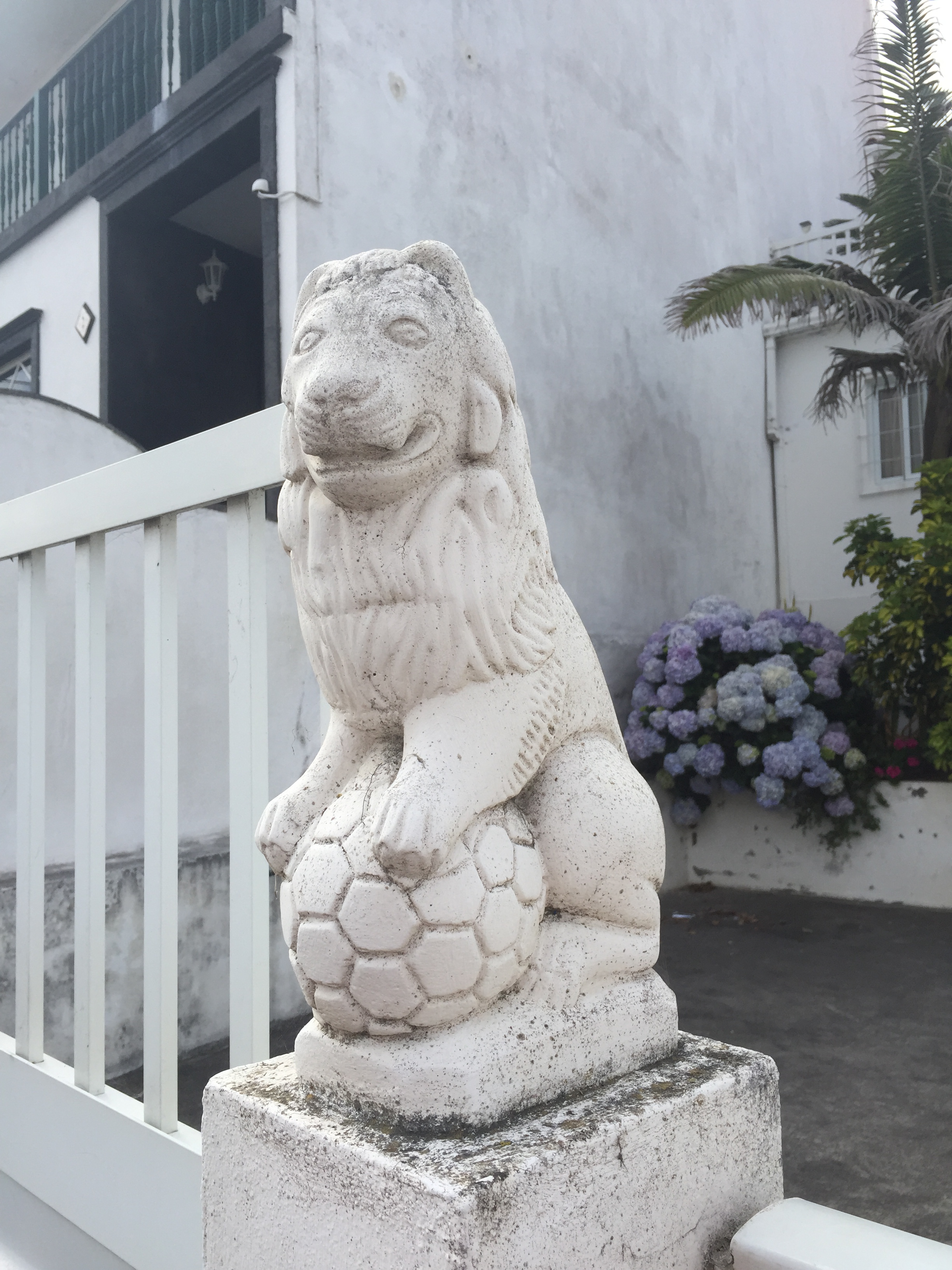
Nature and art, in a peaceful cohabitance, make Ponta Delgada a very special place. Be it Rainha das Bifanas (‘The queen of the beef sandwiches’ – very popular Portuguese dish), the ‘Lion King of Football’ (very popular house decoration) or a fancy mural. This coexistence of different styles, climate (be prepared for weather changing few times per day) and cultures makes this town very special, and hope that this will stay so charming regardless of the massive tourism knocking at its door.






























 LUSOFONETICA