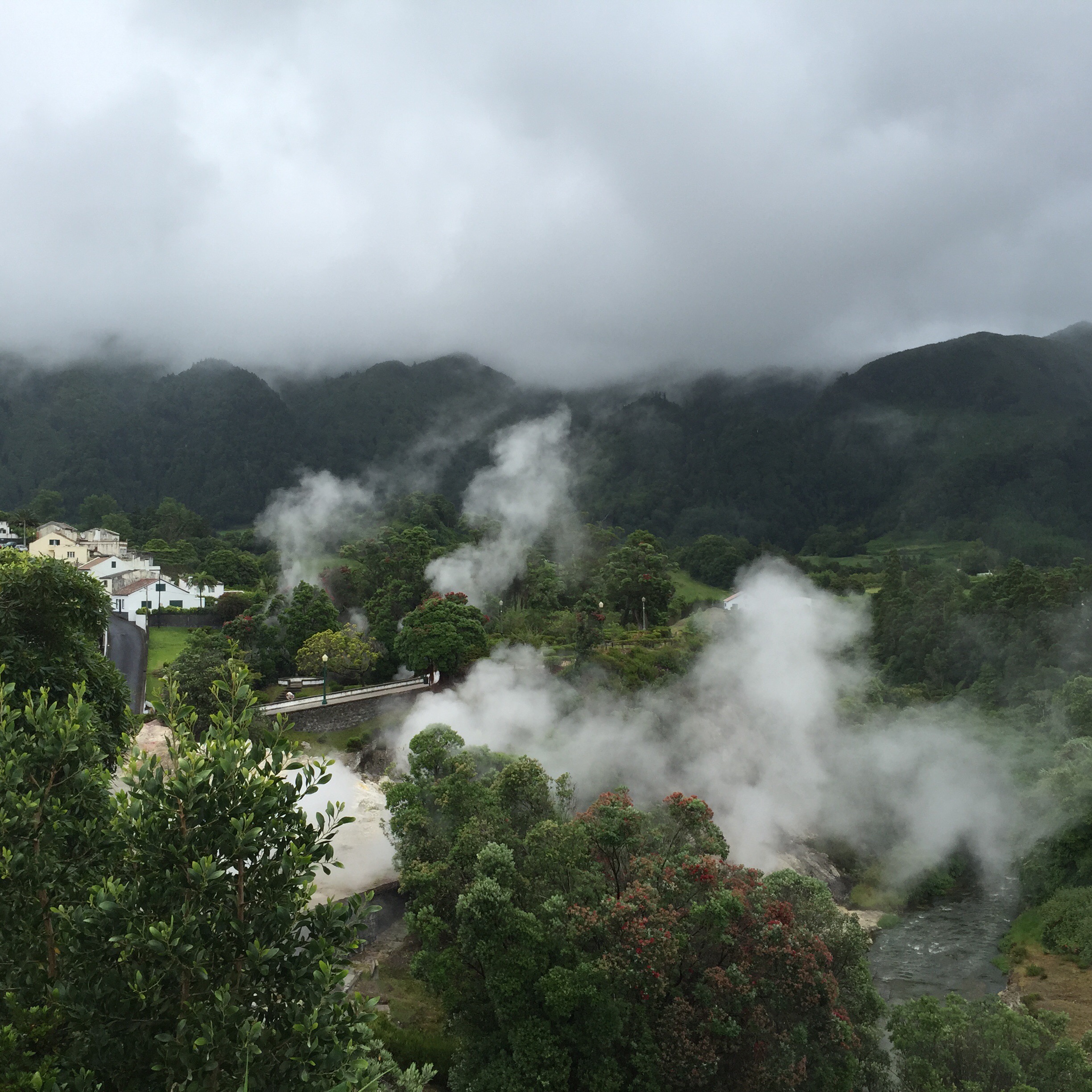
All…garve pt.3: Barlavento

Travel

May is already here, summer is forthcoming soon (even in Berlin!), and I am still not done with describing one of the most charming locations in Europe: Algarve in Portugal, where I was lucky to travel and live for a while.

So far I have dedicated most of the entries to the Leeward, Eastern side of the Southern Portuguese coast, given my sympathy and know-how of Faro and Olhão regions as well as Formosa river’s natural wonders.

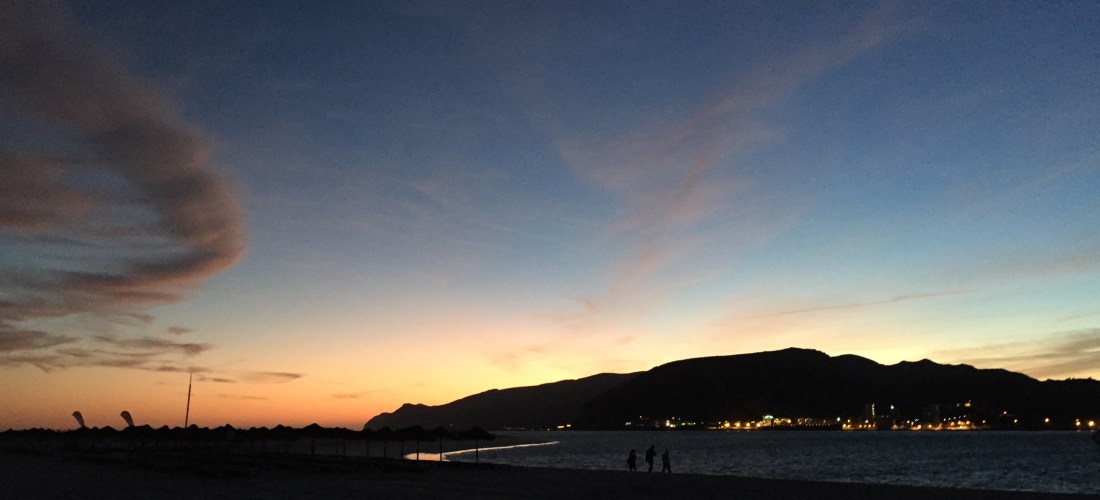
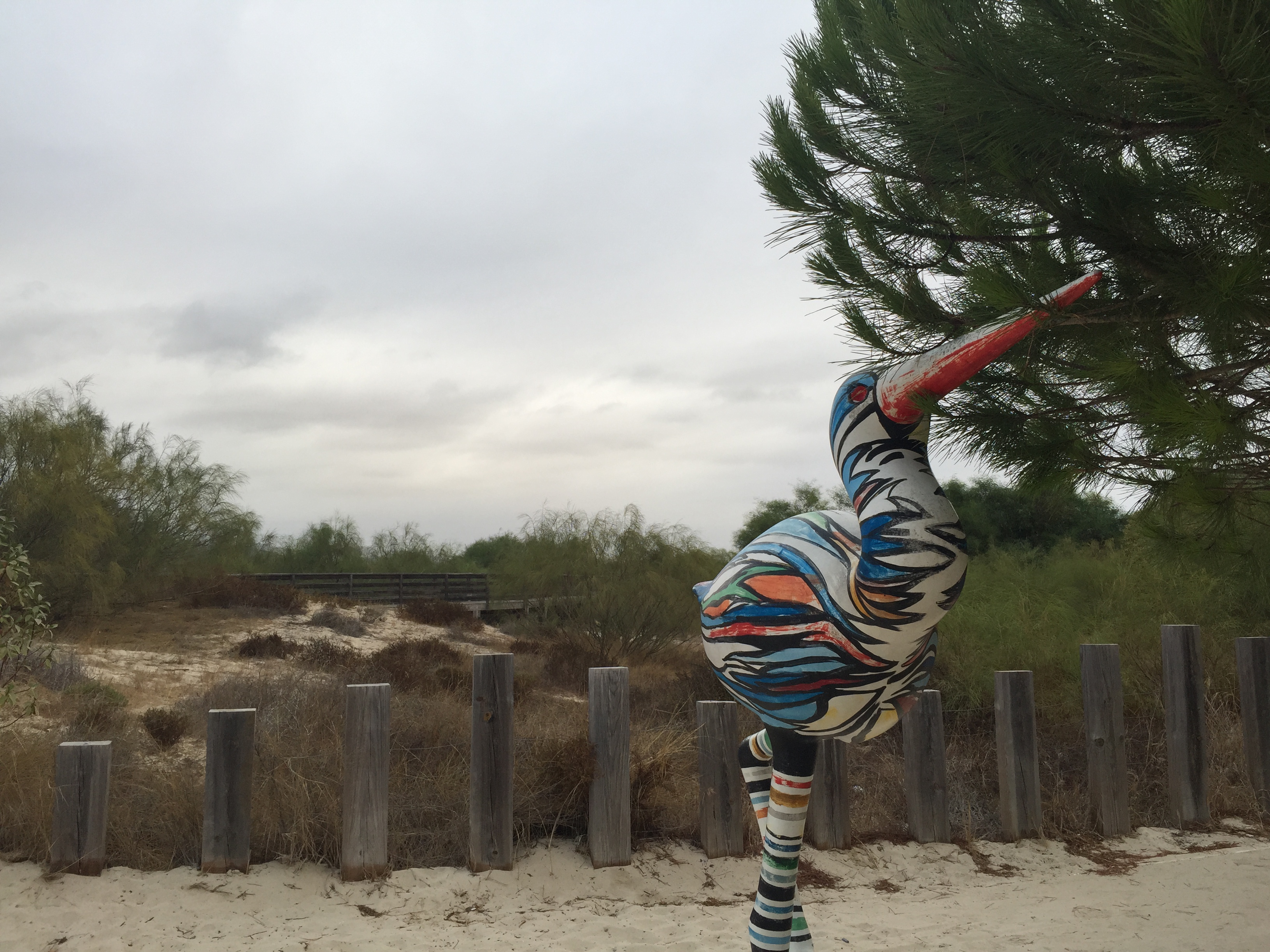
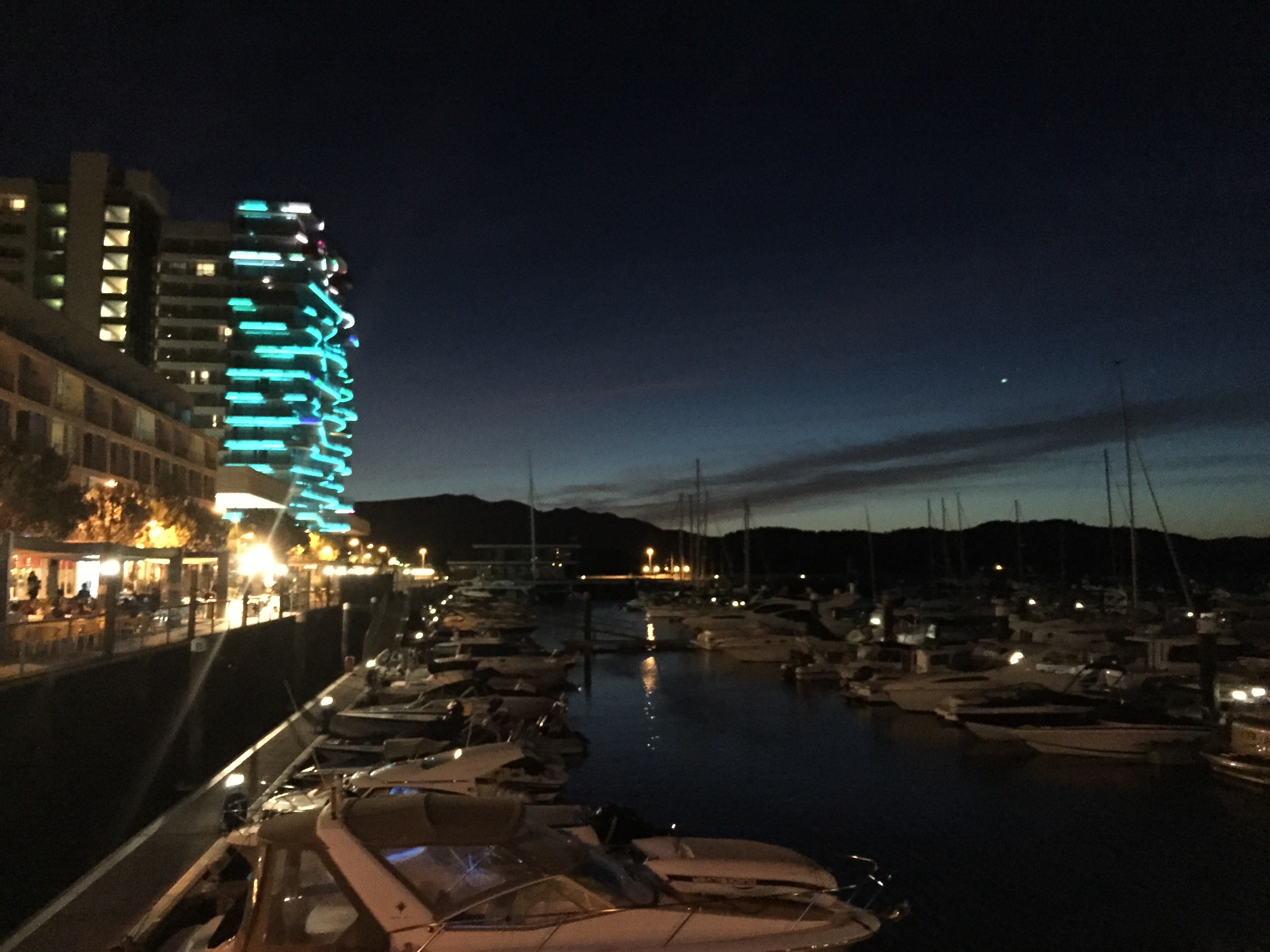
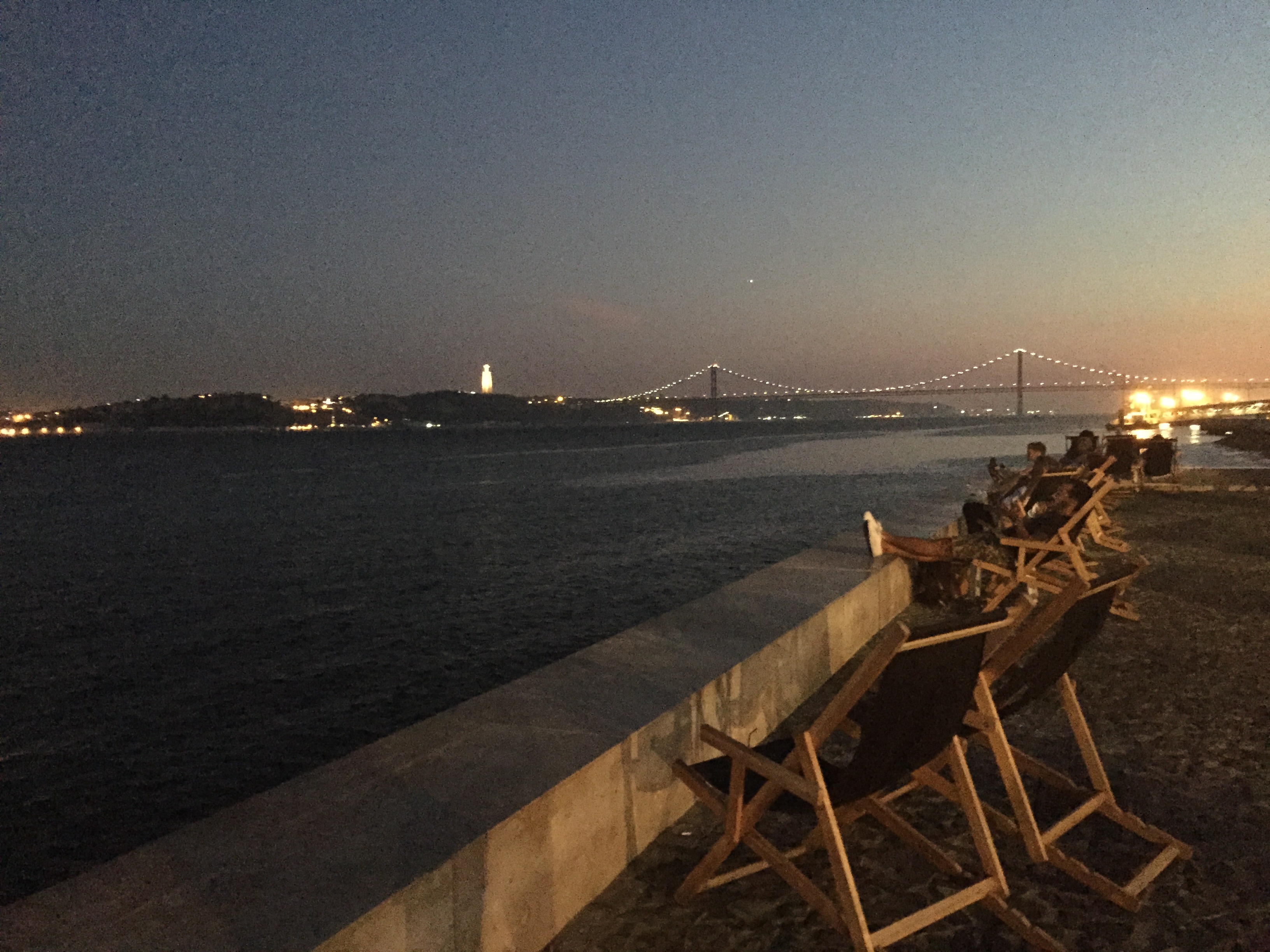
The other side of this wonderful 100-km coastline stripe: Barlavento (eng. Windward), on the West, has been traditionally recognised by the surfers, beach testers and festival-lovers (famous festival Sud Oeste, taking place: as the name says: in the South-West Portugal). Infamously, this part of Algarve has been also known as the land of the massive tourism and disappeared child called Maddie few years ago that made this region a pretty bad press. With or without the scandal’s impact, I would avoid places like Portimão or Albufeira which are huge beach resorts with soulless architecture for rather lazy, all-inclusive kind of tourism. Sad places to see in such an authentic country like Portugal.

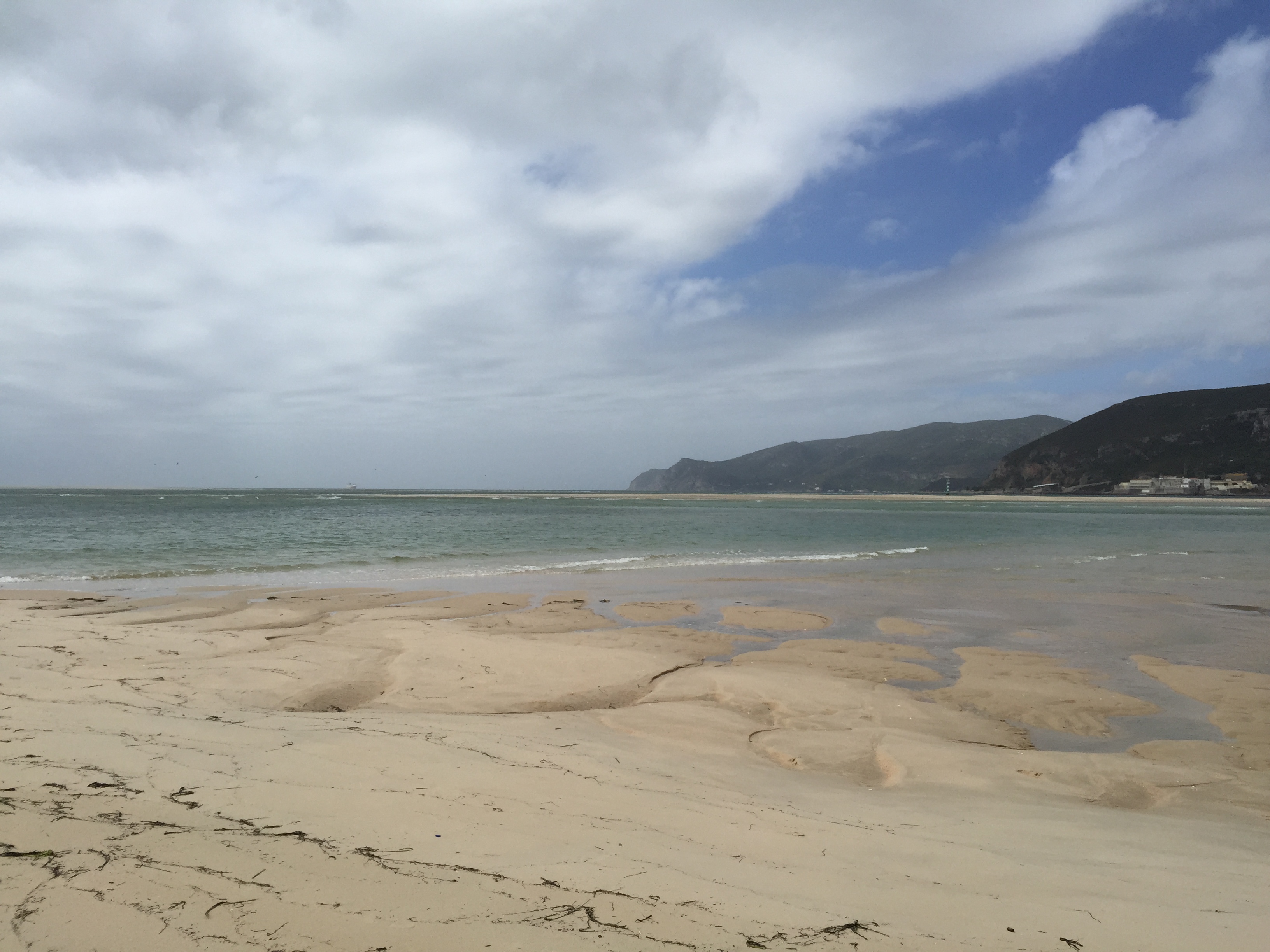
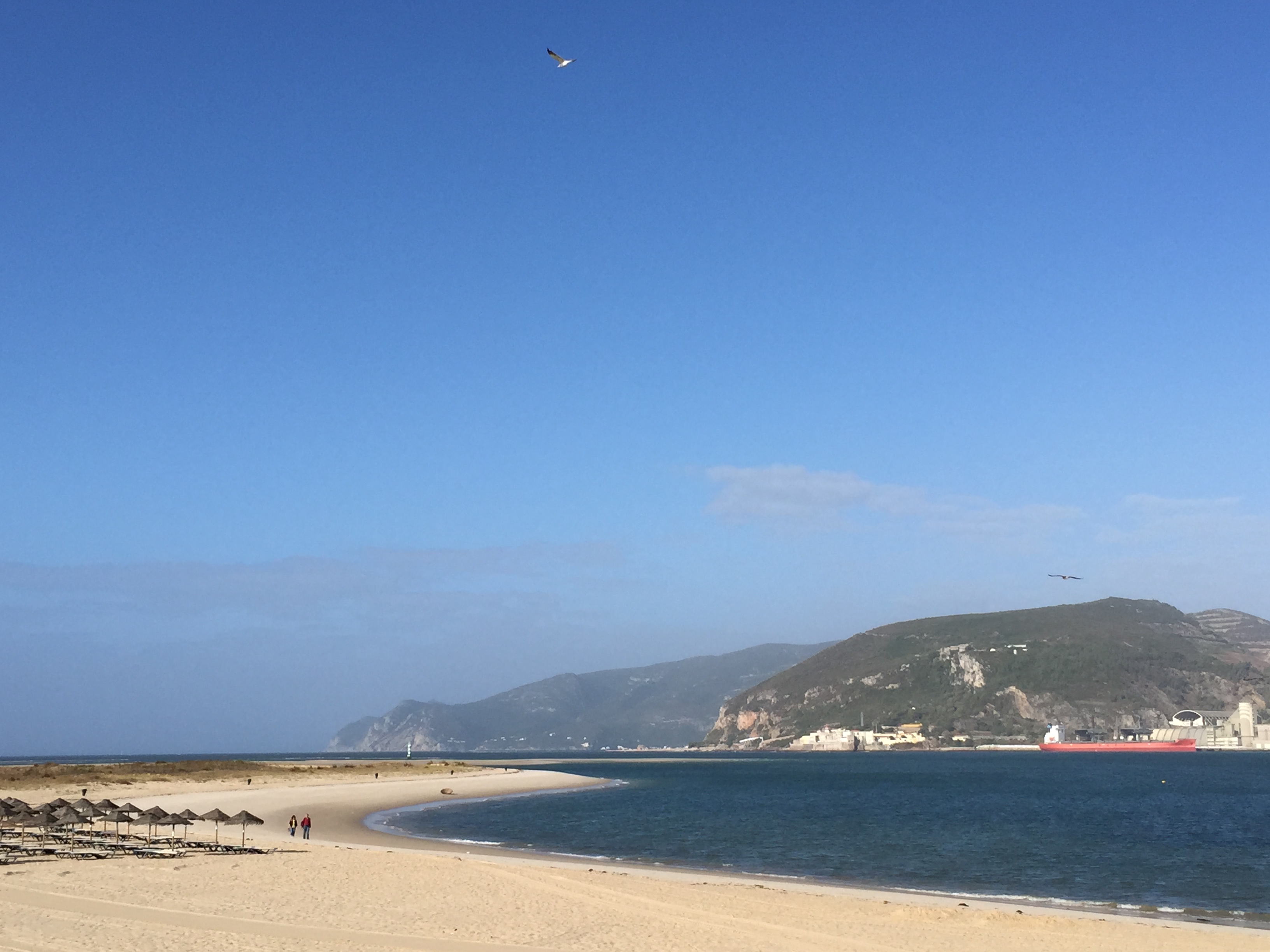
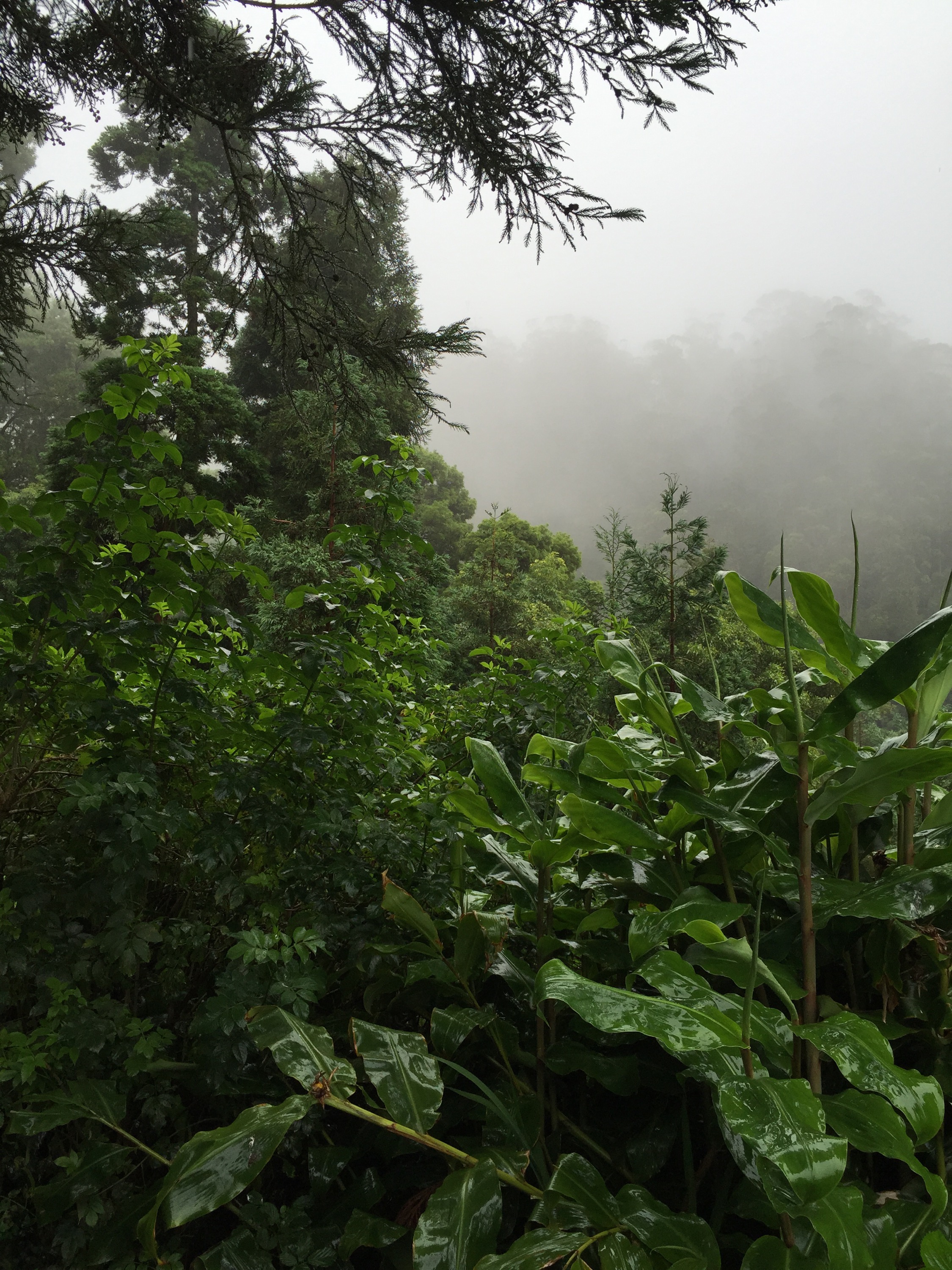
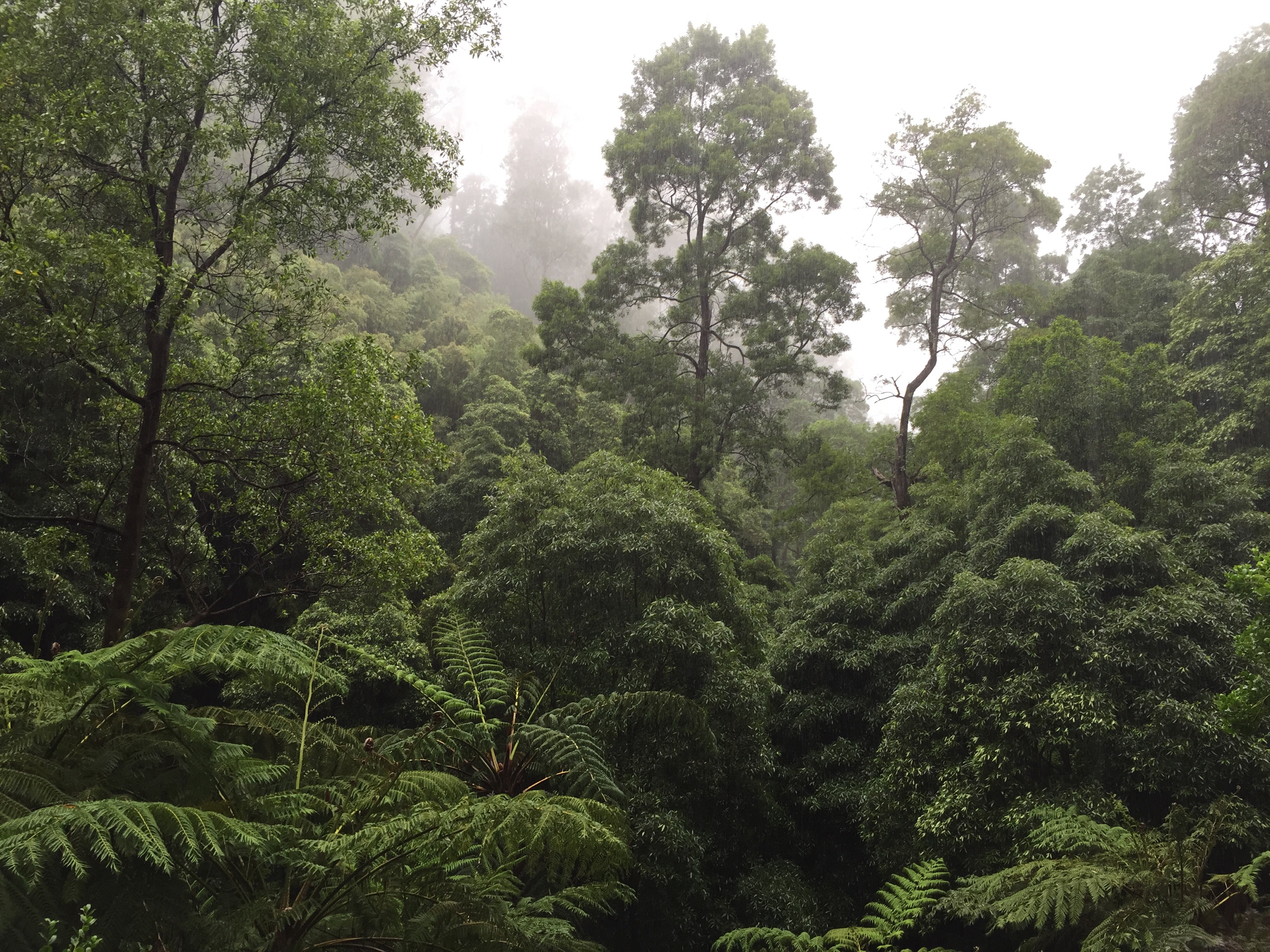
Coming back to the wonders of Barlavento, I would name a few: coming there outside of the season would be probably the most beautiful experience, since massive rocks and strong winds, while few people around create altogether a very dramatic and picturesque atmosphere.

My to-do list would include wandering around little towns with rich history, such as Aljezur, Lagos or Sagres (famous also for being a name of one of two most popular Portuguese beers!). For the romantic spirits, I would absolutely recommend facing the sunset at the most South-Western tip of Europe: Cabo de São Vicente. Whereas villages like Raposeira or Porto das Barcas would be on my surfing paradise list.

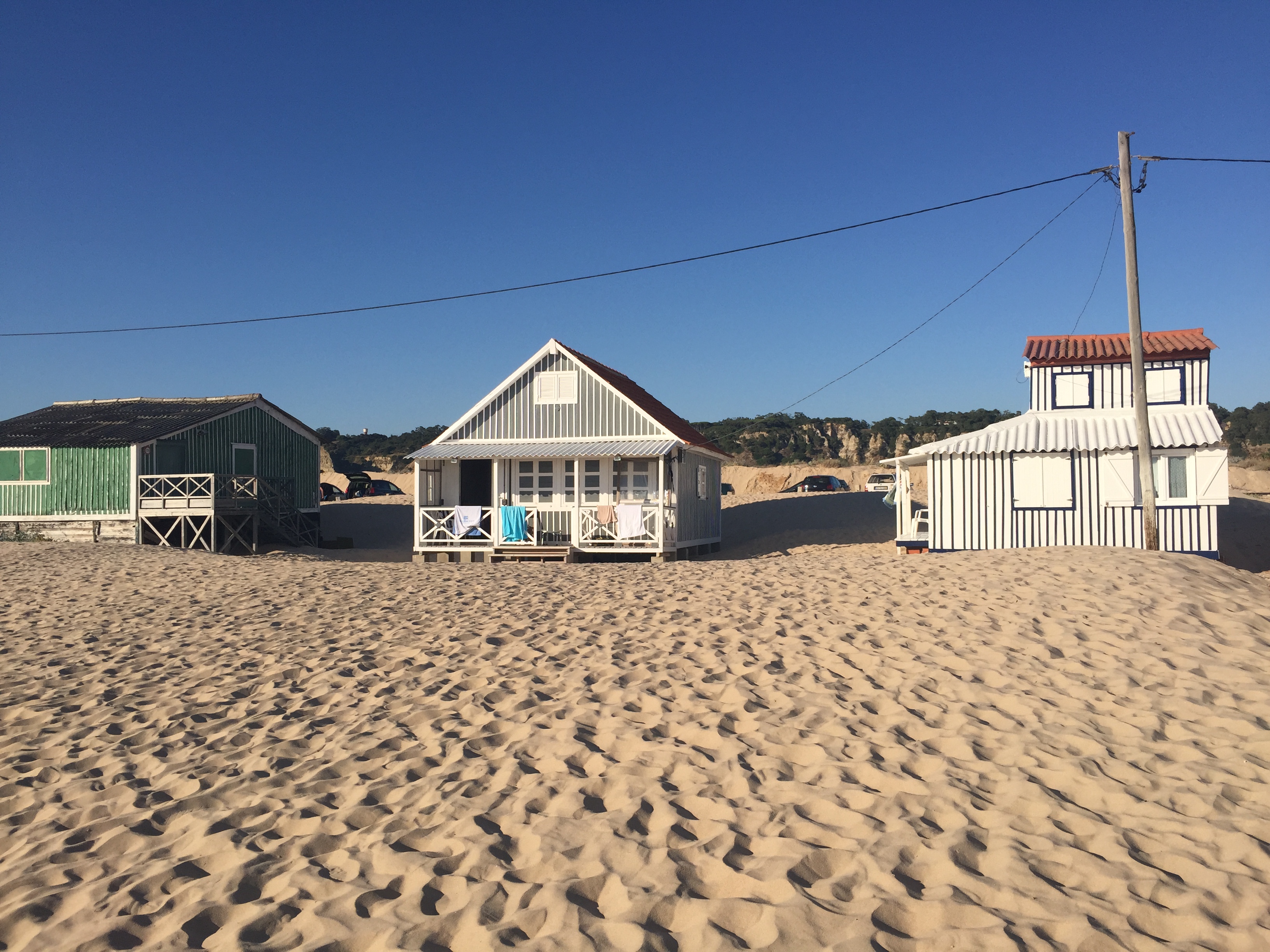
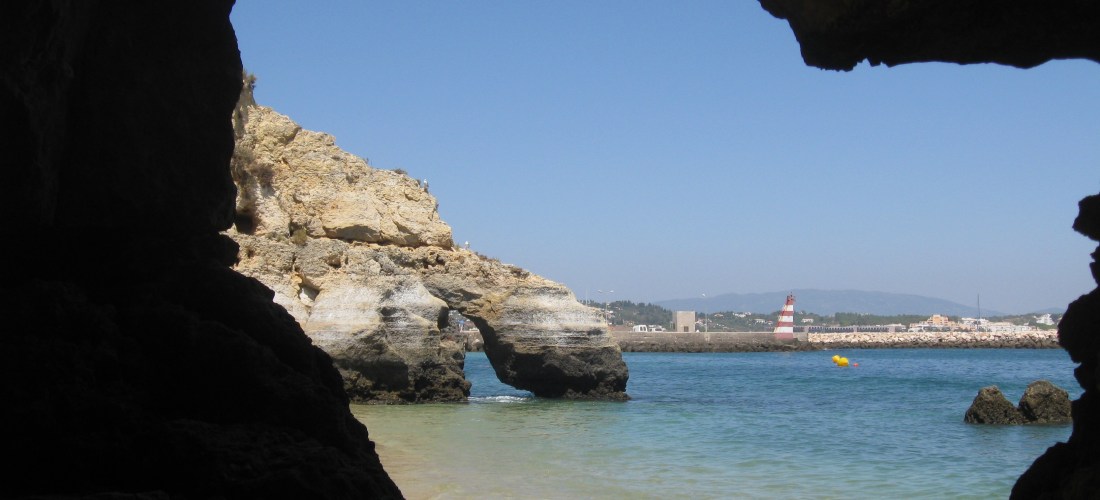
Last but not least, even in the surroundings of Lagos, one can find very particular beaches – among the numberless and funnily-shaped rocks. Beware that Barlavento: as the name indicates is the land for wind-loving people, but if you do, you won’t be disappointed by the natural diversity of this coastline.


All…garve pt.2: Sotavento

Travel

Following up on my post about Far Out Faro, I would love to focus on the Leeward (port. Sotavento) side of the Algarvian coast. This part of the region includes Faro itself, but also picturesque towns like Tavira, Loulé, Olhão or Vila Real do Santo António, bordering with Spain by the Guadiana river.

Leeward coast is particularly close to me, as during the time I lived in Faro, I was often visiting the neighbouring towns, as well as inland points of interest. Worth mentioning that I stayed for a couple of weeks in the village called Pechão on a volunteering service for the local communities, preparing the international part of the anual Festa. If you visit this region between spring-autumn, you will be amazed by the quantity of festas, local festivities, for different reasons: fishing season, cattle growing, and much more (and even more abstract – as there is always a good way to celebrate good times!). Many of these festivities are closely linked with the Catholic festivities (like name days of various Santos, patrons) but they incorporate a lot of ludic elements.

During my stay in Faro and Pechão, I was exposed to some very forward-thinking manifestos of the left wing activists, promoting well-being and equality on different levels. Worth mentioning that this part of Algarve is interesting for various, often borderline awkward reasons. The traditions of building bone chapels in small villages, the architecture showing years of different impact of various cultures and religions as well as food are very recommendable.

Moreover, Algarve is not only, as majority may think, the picturesque coast. Bordering with Alentejo you may find gems like Pego do Inferno, crystal clear waters waterfalls on the hilly trekking path. If you have time, I would recommend cycling around the region, as my Portugal-loving friend does it actually quite regularly!

Last but not least, you might consider taking a local ferry to several islands around Faro and Olhão where you can watch birds (including storks and flamingos!) and enjoy the remoteness. And, oh well, the sunsets… Or this dog, selling cigarettes in the local loja (port. grocery store).

If you are still not done with the beauty of the South of Portugal soon I will take you on the trip to the West side of the coast: Barlavento.

All…garve part one: far out Faro

Travel

It’s been over 5 years ago I made an experience of living almost literally by the Atlantic Ocean shore in Faro, where the South-Western European continent ends. It was a pretty stress-free life of an Erasmus student in what we used to call ‘Iberian California’, even though at the end most of us had to come back to some sort of adult life. I was lucky enough to host my parents and friends from Poland, Chile, UK and Spain during these months which made it even more special.

Lately some friends who are going to drive through South of Portugal asked me to describe my favourite places I collected and saved in my memories during these couple of months. I have to say that going through my photo collection evoked strong, beautiful freeling and  that even though time has passed, Algarve stays in an important place of my heart.

First of all,I’ll describe the major town of Algarve: Faro, principally known for the international airport where most of the tourist arrive and reach their resorts. Boring, distant from the sea and pretty catastrophically planned – this is how it seems at the first glance. Well, having lived and studied there for a good couple of months, I started to love it in a very special way.

It was definitely the smallest town I’ve ever lived in (around 100K inhabitants if you count in students of the University of Algarve), so this was an interesting experience itself. You could literally recognise everyone on the streets, and get to know local ‘characters’ very easily, which can be an interesting thing to live for a city person, like I am.

Good thing was that it was very convenient to discover inland, leeward and windward Algarve, taking EVA buses (yes, they are monopolists in Algarve with all of its characteristics, but they can get you pretty much everywhere), trains (if not on strike which was a thing to often do in 2011 at least) or the best way: your own car or bike. Portugal, especially in the South has still a very strong ‘driving culture’ , which may come as a shock to people used to commute by bike everyday (again: like I do). And the breathtaking views of the coast and neighbouring Alentejo simply calls for a bike ride!

Tiny, but picturesque city centre of Faro is full of cafeterias and bars, some of them back in a day were still pretty local, and inspired by the students culture. Remember that Thursdays are typical days for Portuguese students to go out and ‘sentir, viver, cantar a noite linda‘ (to ‘feel, live and sing the beautiful night’ – no other words could describe better the wit of it!).

If you are careful, among the typical Algarvian architecture you’ll notice places with patios and terraces with life music, jazz jams and poetry evenings, and world-class street art pieces. There is a beautiful park where you can chill from Algarvian heat, and if you are lucky, you will meet a peacock waving its tail, as if he wanted to cool down the air.

Last but not least: you should visit the Island of Faro, where the beach is, as well as take a chance to discover the Formosa river’s lagoon, with the plethora of fauna and flora (and flamingos!). Which leads us to the chapter no. 2: Leeward Algarve, to be continued soon.

Ilha de saudade – the sad stories from Cabo Verde

Travel

I have written quite a lot about the cheerful, colourful and paradisiac side of Cabo Verde. I believe there are even more adjectives to describe the archipelago, given that there are 10 islands, each of them of a very special characteristics. Yet there is one thing they have in common: the remoteness, from the African continent, not to mention the other parts of the world.

I was always attracted to remote islands, and even more when I read the book from Judith Schalansky. As she said in one of the interviews “Islands, especially those that seem most remote, are perfect places. They capture your imagination. For people who feel stressed, the island is an ideal image of a place where you can find peace, and where you can finally concentrate on what is really important. Maybe that’s where the question originates: What would you bring to a desert island? Each utopia wishes for a new beginning, for a chance to do everything differently. All it takes is untrodden territory and an answer to the question: Is another, better life possible?”.

Is it always the case though? Cabo Verde was uninhabited until the discovery and colonization by the Portuguese explorers in 15th century. Since then, they became an important shipping and commercial route, also when it comes to the shameful slave trade. This shed light on many people of Cabo Verde asking for their actual origins.

During my stay on the Santiago island, I was also faced with rather unusual place to visit during holidays: a concentration camp. I never heard about the concentration camp on the beautiful location like this, and more about the camp that was running for over 40 years. It was build in Tarrafal in 1936 by the authoritarian government of Salazar and was torn down only with the independence of Cabo Verde in 1975. There is an interesting documentary (“Memories from the camp of the slow death” – due to severe and dry conditions) about the survivors of the camp, mostly political prisoners from the former Portuguese colonies, e.g. Guiné Bissau, São Tomé or Angola:

The feeling of saudade – longing, separation (knowing that the majority of the Cabo Verde inhabitants live in diasporas outside of the archipelago: mostly in Paris and in Lisbon) is also reflected in mornasthe musical style originated in Cabo Verde or in the look of homeless dogs, wandering around from the town centres to the beaches, and all you need to do is to carefully get acquainted with them as you go along.

Thinking about it a bit more in-depth, Cabo Verde lays nowhere and at the same time, at the crossing of the routes from East and West, North and South and the influences of other cultures and political issues were reflected on this very special islands.


Grandola jazz

Music

Thanks to the XJazz Festival in Berlin I discovered a very interesting musician: Studnitzky and his composition ‘Grandola’. I fell in love with these sounds from the very beginning:

Grandola, a Portuguese town located in the Setubal municipality, has got its place in the history of music for some other reasons though. I was visiting these wonderful region in September, on my way to the controversial settlement on the Troia Peninsula. Grandola became a symbol after the non-violent 25th Aprtil of the ‘Carnation revolution’ thanks to the song performed by Zeca Afonso. ‘Grandola Vila Morena’ tells a story about the fraternity among the people of this town and was broadcasted at the outbreak of the peaceful revolution in Portugal.

This song, associated with one of the brightest moments of the Portuguese history has some uplifting lyrics about the brotherhood.

Grândola, vila morena
Terra da fraternidade
O povo é quem mais ordena
Dentro de ti, ó cidade
O povo é quem mais ordena
Terra da fraternidade
Grândola, vila morena
Em cada esquina um amigo
Em cada rosto igualdade
Grândola, vila morena
Terra da fraternidade
Grândola, vila morena
Em cada rosto igualdade
O povo é quem mais ordena
À sombra duma azinheira
Que já não sabia a idade
Jurei ter por companheira
Grândola a tua vontade
Jurei ter por companheira
À sombra duma azinheira
Que já não sabia a idade

Trojan Horse was a Unicorn and lived in Troia

Travel

What is the connection between a remote peninsula in Alentejo and a well-known digital art conference? Well, both relate to the Trojan Horse. The conference and collective are named after a Trojan Horse (who) was a Unicorn, and its anual venue takes place in this remote, peninsular location of Troia in Portugal.

IMG_3736 IMG_3729

I was invited there last week to meet a bunch of concept artist, illustrators and animators from the film, entertainment and gaming world. It took me only two days to interview about 70 people and see their portfolios, some of them presenting pretty interesting (or at least: quirky) stuff.

IMG_3728 IMG_3707

The place itself is also specific, to put it this way. Three years ago there was nothing more than a fishermen village on this enchanting peninsula South of Lisboa Metropolitan and Setubal anyway, surrounded by the Sado river estuary and Atlantic Ocean. Then, the luxury resort was built and although architectonically it’s not that much of a disaster, it has a strange feeling.

IMG_3701 IMG_3700

This is what happens often in places that offer great climate and nature sights all year round: it attracts greedy real estate investors. Hopefully Troia was not entirely covered in concrete and glass, and the National Park of Sado River Estuary was preserved carefully.

IMG_3686 IMG_3681

Being a complete sucker for Portuguese landscape, cuisine, language and what-not, I enjoyed my stay in the luxury village of Troia. Thanks to some tiny cafés and restaurants that remained there, as well as great companion of those who participated in the Trojan conference.

IMG_3679 IMG_3723

Bem-vindas em Lisboa

Personal, Travel

In June I re-visited Lisbon on my way to Azores and spend there two weekends. I was lucky enough to live the last days of the Santo Antonio festivities and visit my favourite beaches: Guincho and Caparica. The city shined in the light of the sun, or yellow lanterns during the night.

IMG_1773 IMG_2351

It changed greatly as well. The infrastructure is much better since the airport connects the city centre with a metro line. The Tagus river bank has now a boulevard to enjoy the sunsets while listening to the urban beat (often: Brazilian, Angolan combo of sounds – so good…). There are, however, more tourists than before. Lisbon became one of the ‘hottest European destinations’, and it is perfectly understandable. Fascinating history, quirky architecture, sunny weather, best beaches in Europe within 1 hour drive reach, great cuisine, English-speaking services and affordable prices. Sounds great, but too familiar for someone who lived 4 years in Barcelona, where ‘normal life’ has become unbearable due to the massive tourism.

IMG_2357 IMG_2359

That’s why I am worried that the authenticity of Lisbon is at risk. My Lisbon friends no longer visit Alfama, as it is mostly invaded by tourists on segways, or worse: tuk-tuks creating serious traffic jams (!) on the little cobblestone streets.

IMG_2361 IMG_2435

I don’t want to rant about tourism in general. This is what we all do if we want to discover new places, don’t we? But then let’s call it travelling. Lisbon is one of its kind, special location and I always love to come back there, but when I do, I try to respect the locals, and their everyday lives and customs.

IMG_2434 IMG_2400

I always feel so welcome on the tiny streets, bars and pastelerias where time stopped years ago. I look at the faces that have seen different times, and now staring at the unconscious or intoxicated tourists passing by with the same indifference. Yet if you try to live the spirit of the traveller living the night and day of Lisbon, you will notice the difference.

IMG_2401 IMG_2415

Bem-vinda seja, Lisbon seems to tell me anytime I land there. And soon I’ll be there again, on a my way to a very interesting art conference!

São Miguel – the sheer beauty of simplicity

Travel

São Miguel is not an island for lazy bones. The island has its unique microclimate, varying from tropical, to moderate and windy at the coastline. While visiting the inland of São Miguel, make sure you go prepared for 7 seasons! But most importantly, prepare for breathtaking views and picturesque landscape, which is still not empoverished by the massive tourism presence and is ideal for a day-long hiking.

Given its volcanic origin, one can find various crater lakes which can be reached by winding roads from lovely and so unpretensciously named towns such as: Ponta Delgada (“Thin Tip”), Rabo de Peixe (“Fish Tail”), Ribeira Grande (“Great River”) or Furnas (“Heater”).
  The truth is, it can get very warm and humid when you enter the green forests on the sleepery hills. When the rain caught me on the trail to Caldeira Velha (definitely my fave name “Old Boiler”), I did not think twice to jump in the hot spring. 

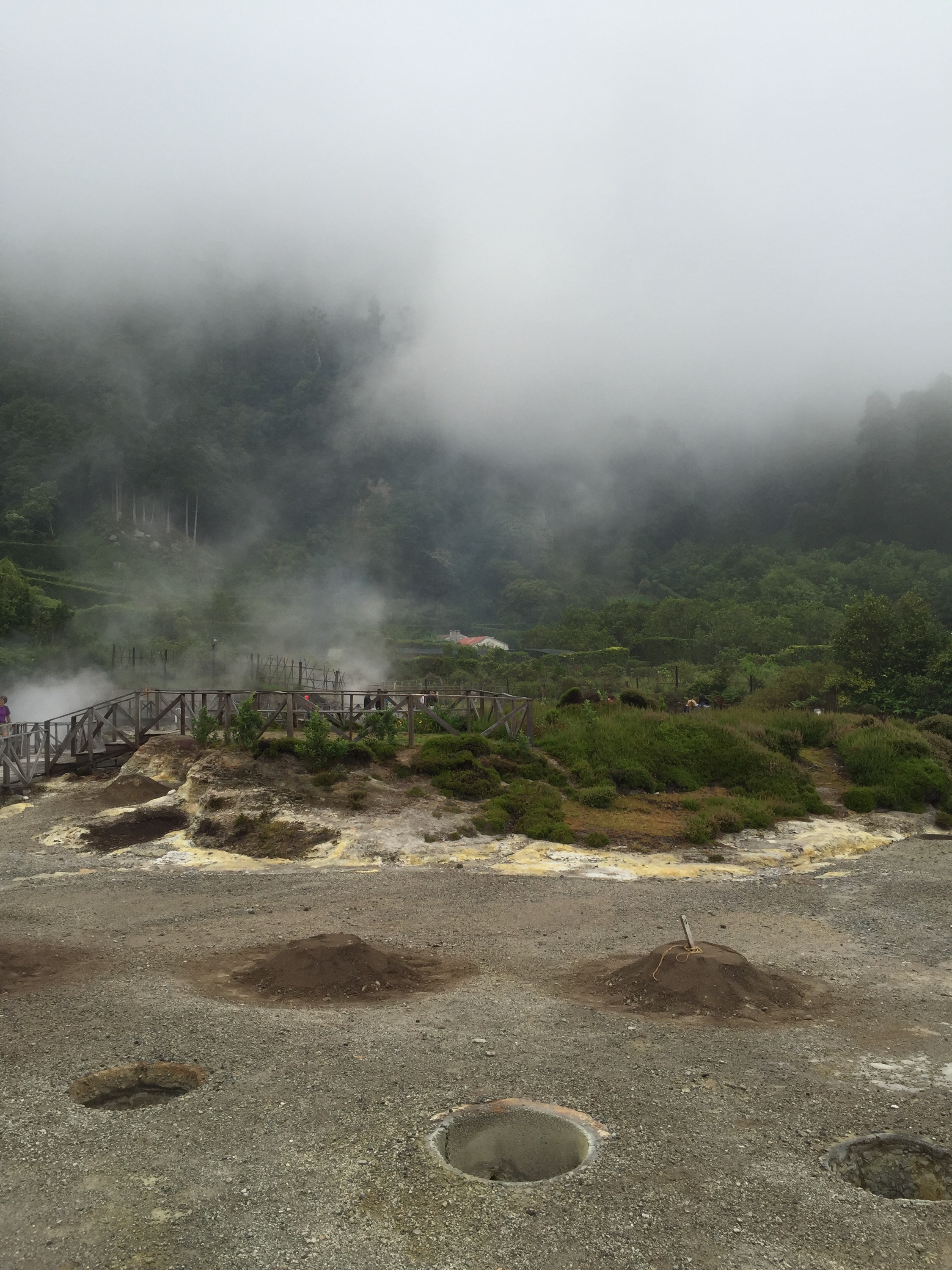
Hot springs, full of iron and other minerals are a free retreat offered by Mother Nature on this heavenly island. Another interesting fact is that in Furnas, the typical dish called cozido (“Cooked Meal” – another brilliant and self-descriptive name!) is prepared… below the ground. It takes about 8 hours to prepare a dish consisting of various types of meat and vegetable stew buried in a huge metal pot.

Yes, exactly like this one. Inside, the geothermal temperature goes up to 90 degrees Celcius, offering fantastic conditions to cook a very delicious stew.

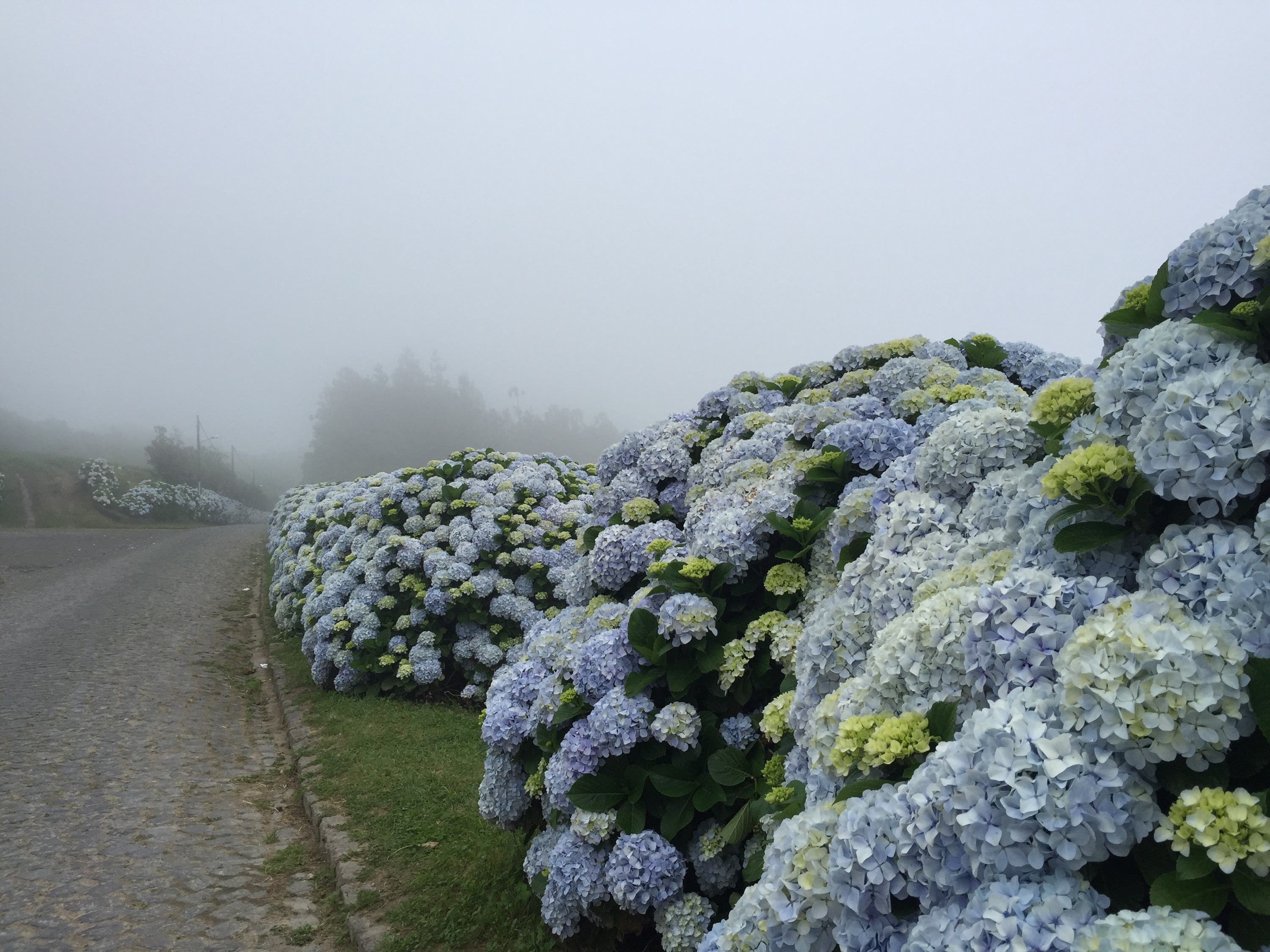
The inland hills and roads are also very mystical. Almost all the roads are naturally decorated by hortensia (eng. hydrangea). The reason for it is also pretty simple: once upon a time, man discovered that cattle somewhat hates the smell of it. By planting it by the road, he made himself sure that the cows won’t be passing it. By now, these beautiful flowers grow almost everywhere the roads of the island, making São Miguel a particularly picturesque place to wander around and never come back.

The thin tip or the capital of Azores

Travel

Ponta Delgada means literally ‘Thin tip’, and is a capital of the enchanting archipelago of Azores I was lucky enough to visit a few weeks ago. But don’t be mislead by the name: its airport is definitely not such a thin stripe as the one on the Madeira Island and is already pretty busy. Ponta Delgada can be reached with the direct flights from Oporto, Lisbon, London and Amsterdam, and also from the other side of the Atlantic Ocean.

IMG_1898 IMG_2131I

Since it’s the first year of having the low fare airlines operating to Azores, the question is: for how long will the islands stay so peaceful and conserve its remote charm? It is true that there are three times more cows than inhabitants of the São Miguel Island, still being the biggest one of the Azorean archipelago. There are not too many hotels, or pensions (I stayed at the Azorean Urban Lodge, and recommend this experience very much!). However, it already looks pretty welcoming and offering a great deal of the infrastructure, including organized trips, hikes and excellent cuisine to the visitors.

IMG_1835 IMG_2134

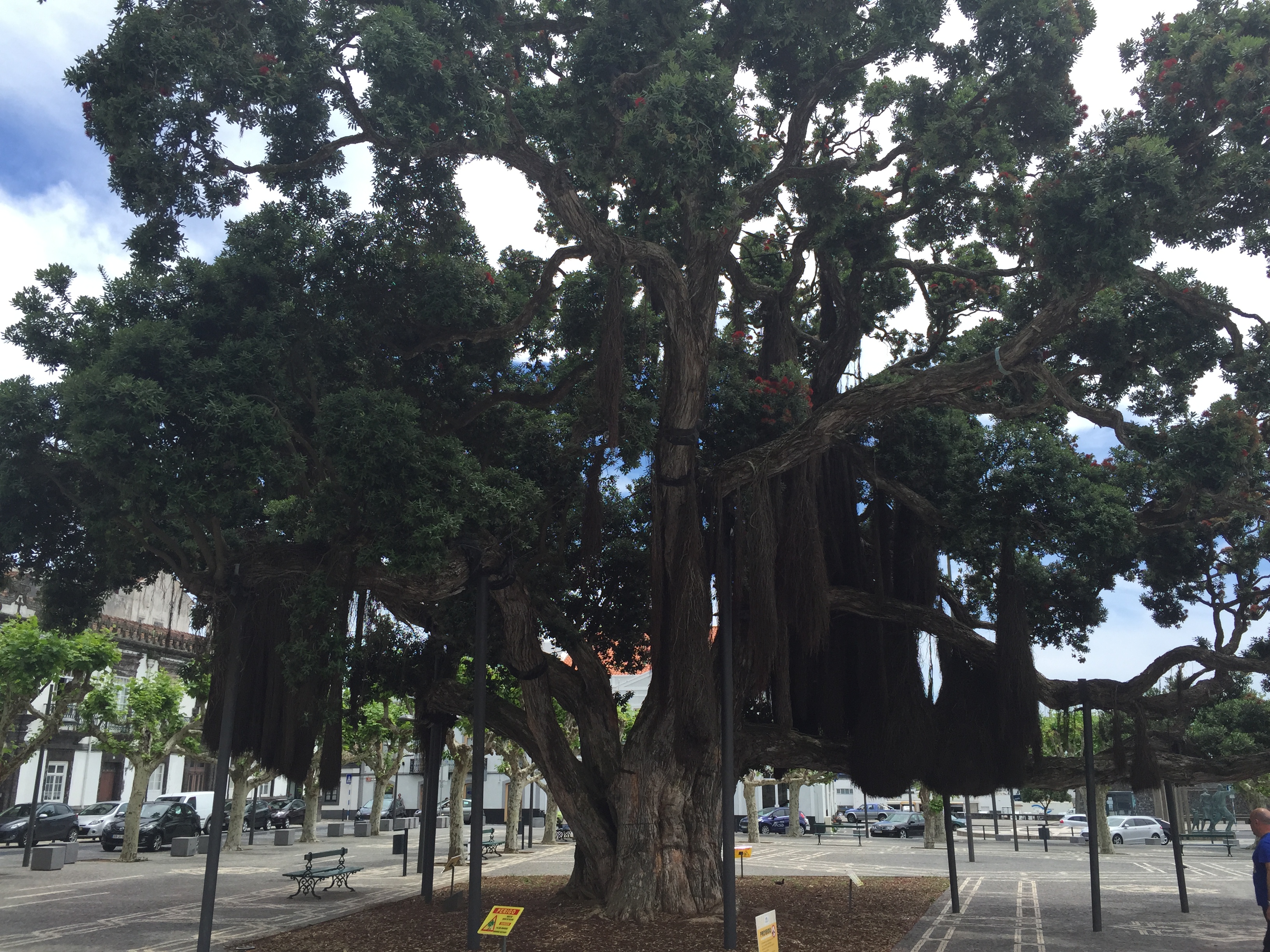
Some parts of the city look pretty abandoned, given the historical emigration rate, mostly to the East Coast of the US and Canada. Some buildings revive its ‘2nd life’ though, given the art-friendly policy of the city. Don’t be surprised if you notice some popular mural painters’ art on a random backyard street. Or if you see the endemite trees imported from the New Zealand during the colonial times. Expect the unexpected!

IMG_1842 IMG_2153

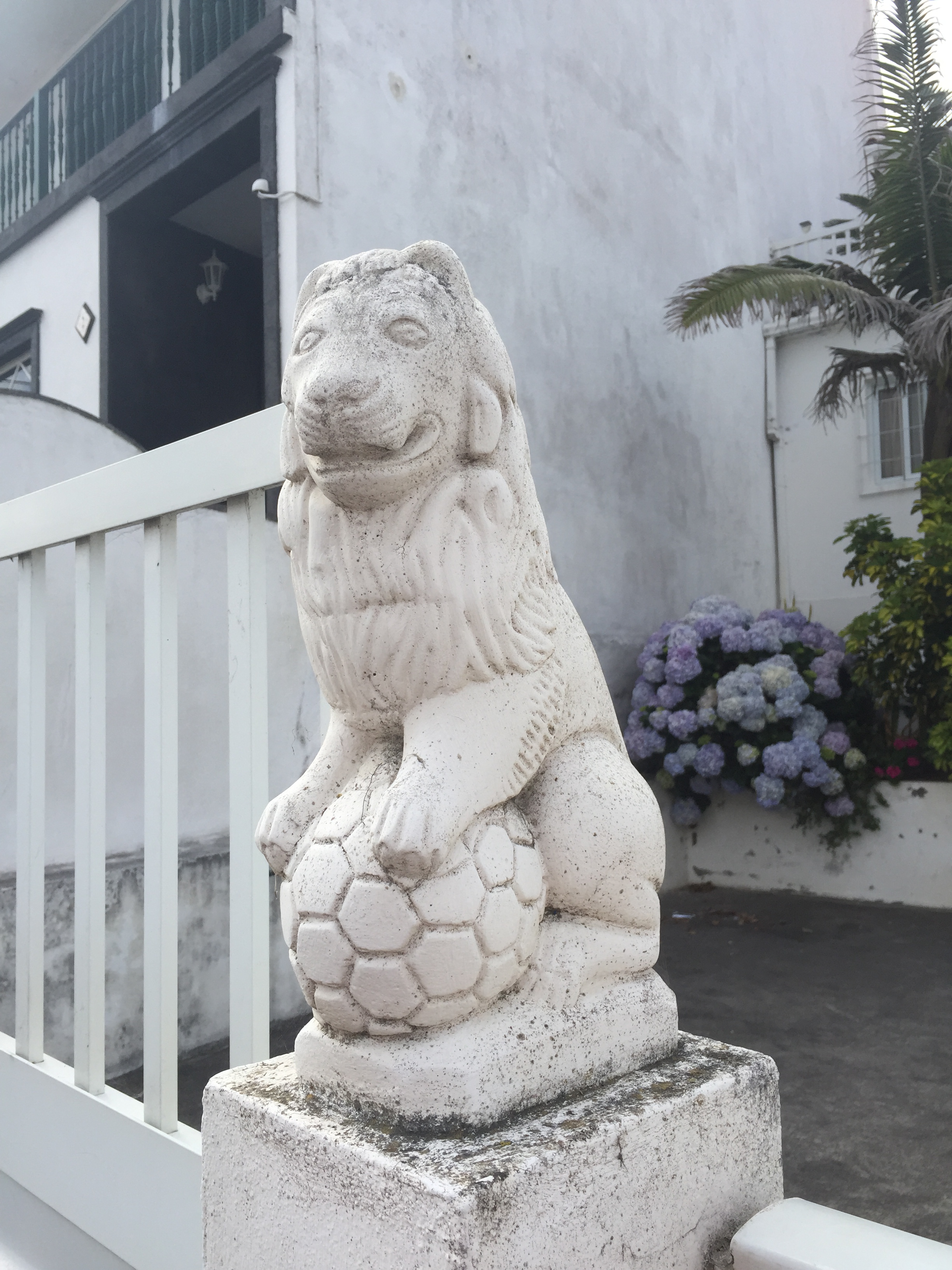
Nature and art, in a peaceful cohabitance, make Ponta Delgada a very special place. Be it Rainha das Bifanas (‘The queen of the beef sandwiches’ – very popular Portuguese dish), the ‘Lion King of Football’ (very popular house decoration) or a fancy mural. This coexistence of different styles, climate (be prepared for weather changing few times per day) and cultures makes this town very special, and hope that this will stay so charming regardless of the massive tourism knocking at its door.

IMG_2184 IMG_2182

Portuguese bairro in Hamburg

Travel

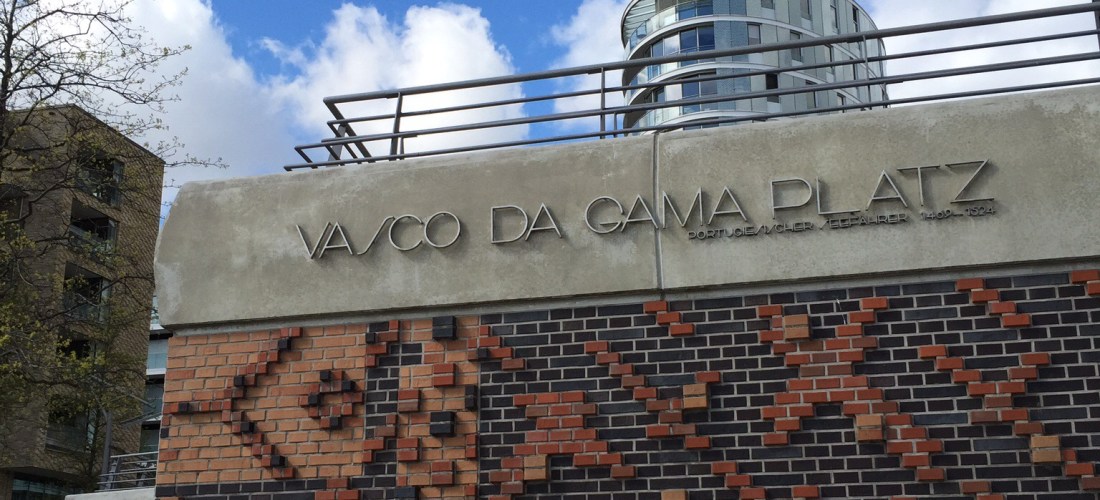
Spring equals travels to me – and this year I am very curious to explore different German cities. After my Easter trip to the East Baltic Sea (called ‘Ostsee’ = ‘East Sea’ in German), the next destination for the long weekend of May 1st was scheduled for Hamburg. I met people originating from Hamburg and some who just lived there for a while, but all of them were speaking very fondly about the city. I followed their great tips and during 3 days I explored the highlighted parts and much more. The major surprise was finding the ‘Portugiesenvirtel’ aka Portuguese bairro very closely to the city centre.

  Portuguese district is located very near Landungsbrücken – a bridge separating the centre and famous alternative St. Pauli. I was lucky enough to arrive there during the time for almoço (lunch). Even though I plan a trip to Lisbon in Azores in only one month, and I often eat out in a Portuguese restaurant in Berlin (which happens to be steps away from my workplace), I got myself into saudade-mode. Not only the taste of vinho verde and excellent carne alentejana, but the fact, that for a moment I could only talk and think in Portuguese, was just a precious surprise.

So what’s the story behind? Quite obviously, the Hanseatic city of Hamburg being Europe’s largest port since centuries, attracted also famous Portuguese sailors. First settlements of the Portuguese families date back to 16th Century, while the country was a growing colonial empire.

Just one afternoon, and my soul felt very contented. I also learnt a simple poem displayed among different Portuguese items in the restaurant, very relevant for the forthcoming Mother’s Day (quite different date in different countries: but happening tomorrow in Germany):
“Com três letrinhas apenas
Se escreve a Palavra Mãe
É das palavras mais pequenas
A maior que o Mundo tem”