Trojan Horse was a Unicorn and lived in Troia

Travel

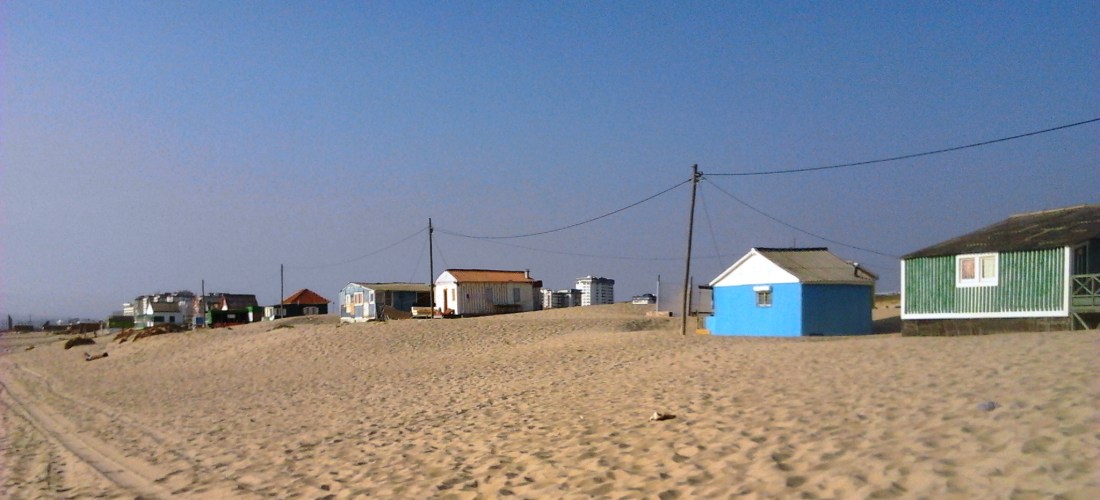
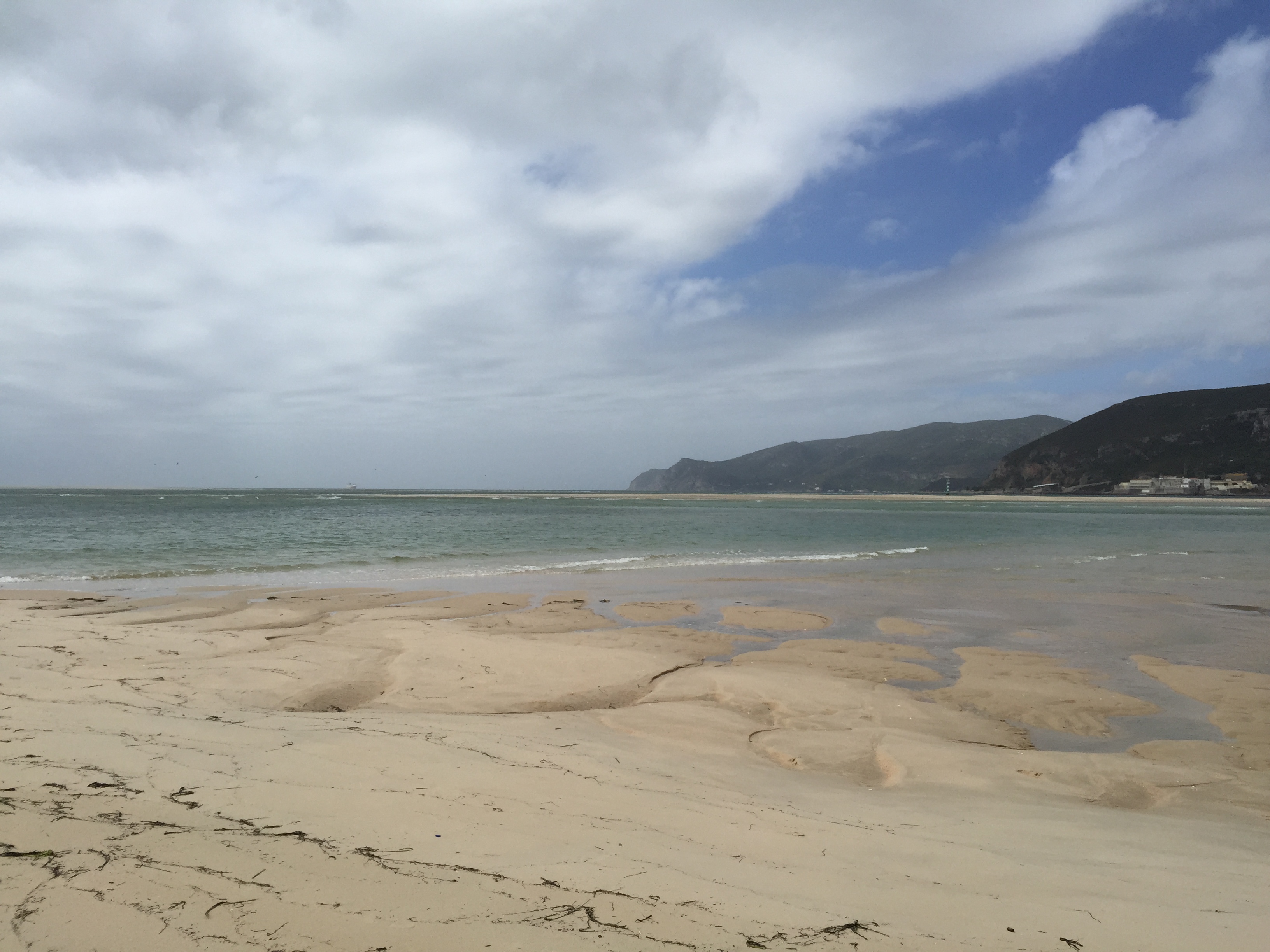
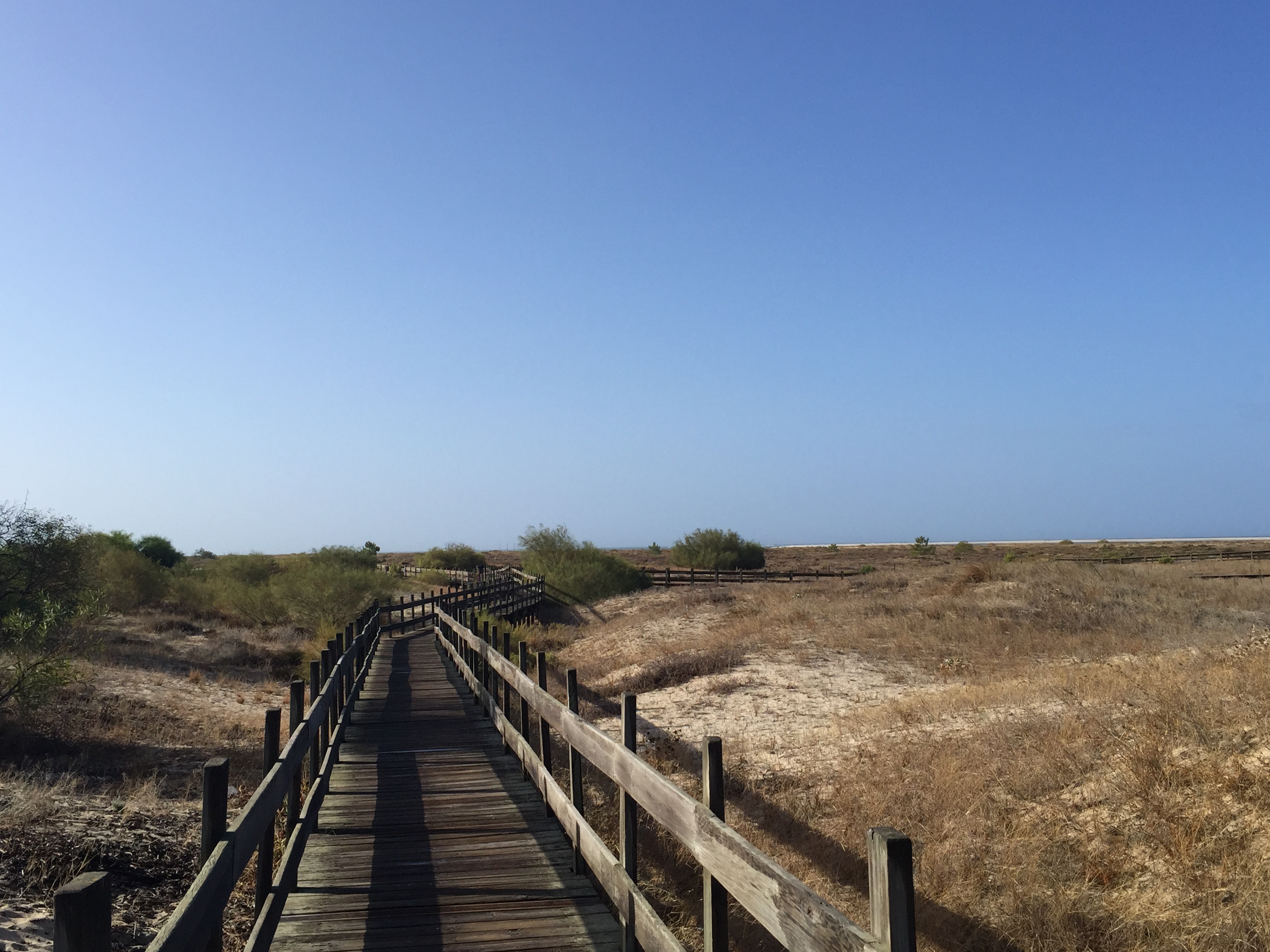
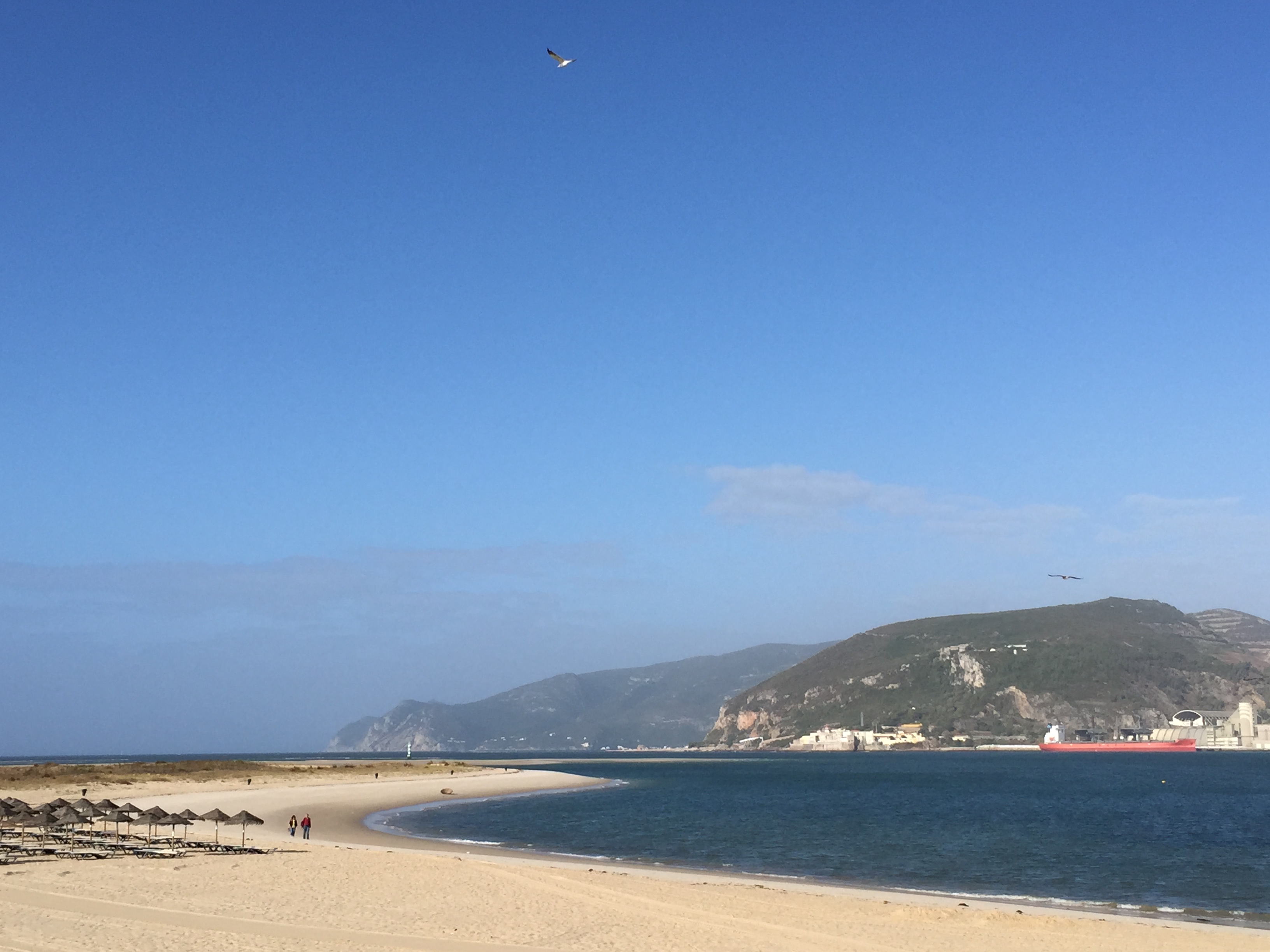
What is the connection between a remote peninsula in Alentejo and a well-known digital art conference? Well, both relate to the Trojan Horse. The conference and collective are named after a Trojan Horse (who) was a Unicorn, and its anual venue takes place in this remote, peninsular location of Troia in Portugal.
IMG_3736 IMG_3729

I was invited there last week to meet a bunch of concept artist, illustrators and animators from the film, entertainment and gaming world. It took me only two days to interview about 70 people and see their portfolios, some of them presenting pretty interesting (or at least: quirky) stuff.
IMG_3728 IMG_3707

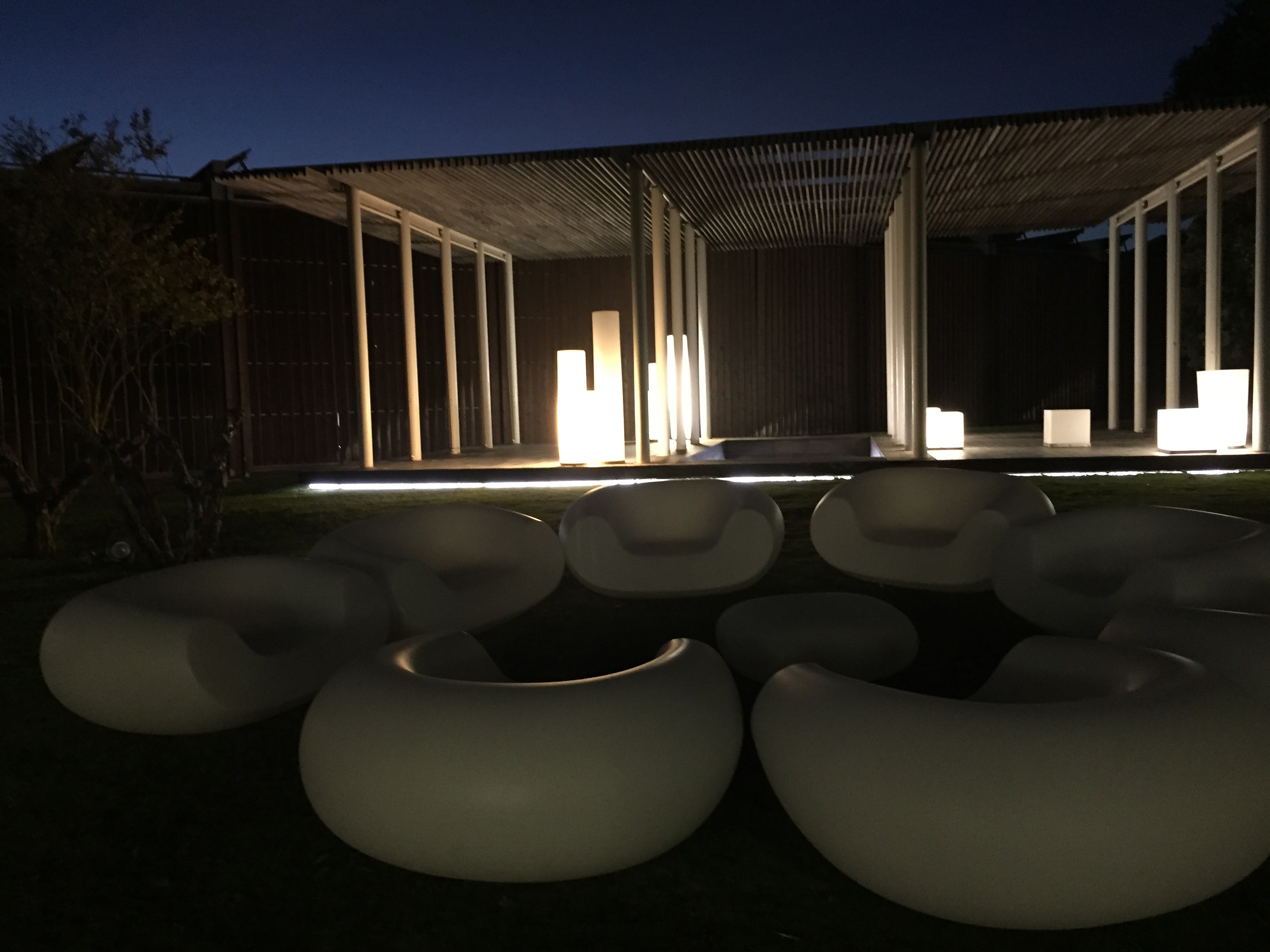
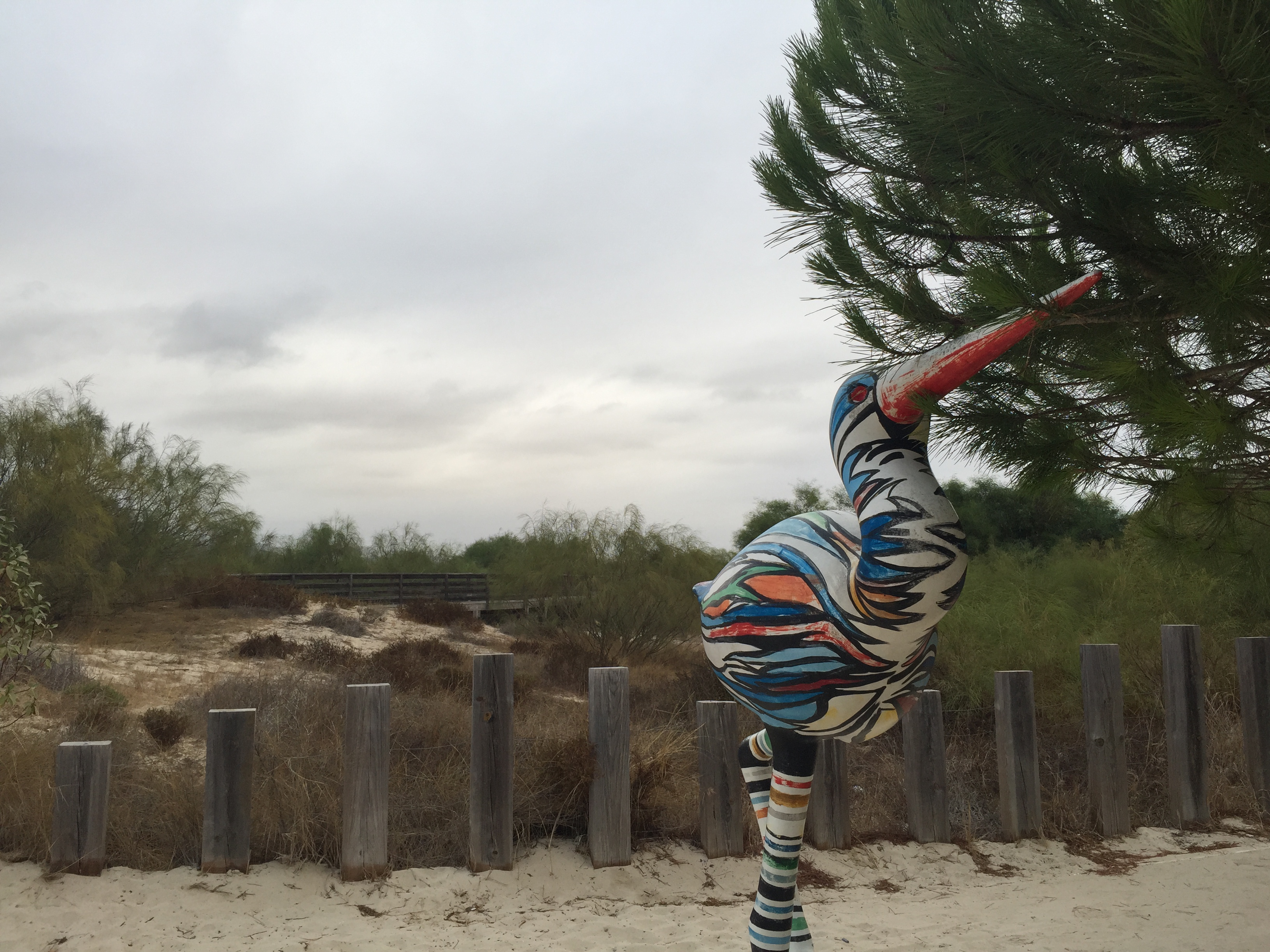
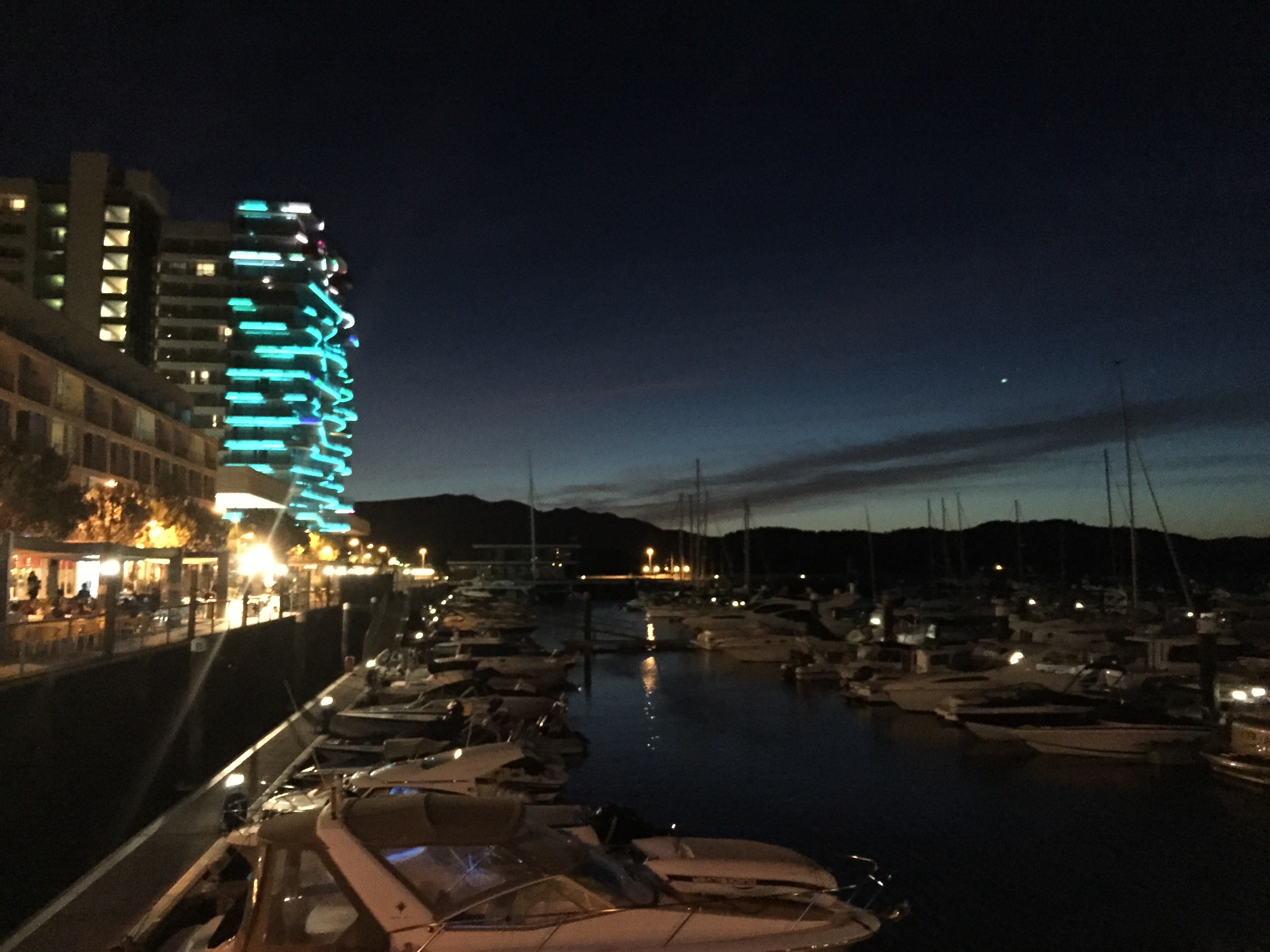
The place itself is also specific, to put it this way. Three years ago there was nothing more than a fishermen village on this enchanting peninsula South of Lisboa Metropolitan and Setubal anyway, surrounded by the Sado river estuary and Atlantic Ocean. Then, the luxury resort was built and although architectonically it’s not that much of a disaster, it has a strange feeling.
IMG_3701 IMG_3700

This is what happens often in places that offer great climate and nature sights all year round: it attracts greedy real estate investors. Hopefully Troia was not entirely covered in concrete and glass, and the National Park of Sado River Estuary was preserved carefully.

IMG_3686 IMG_3681

Being a complete sucker for Portuguese landscape, cuisine, language and what-not, I enjoyed my stay in the luxury village of Troia. Thanks to some tiny cafés and restaurants that remained there, as well as great companion of those who participated in the Trojan conference.

IMG_3679 IMG_3723

Bem-vindas em Lisboa

Personal, Travel

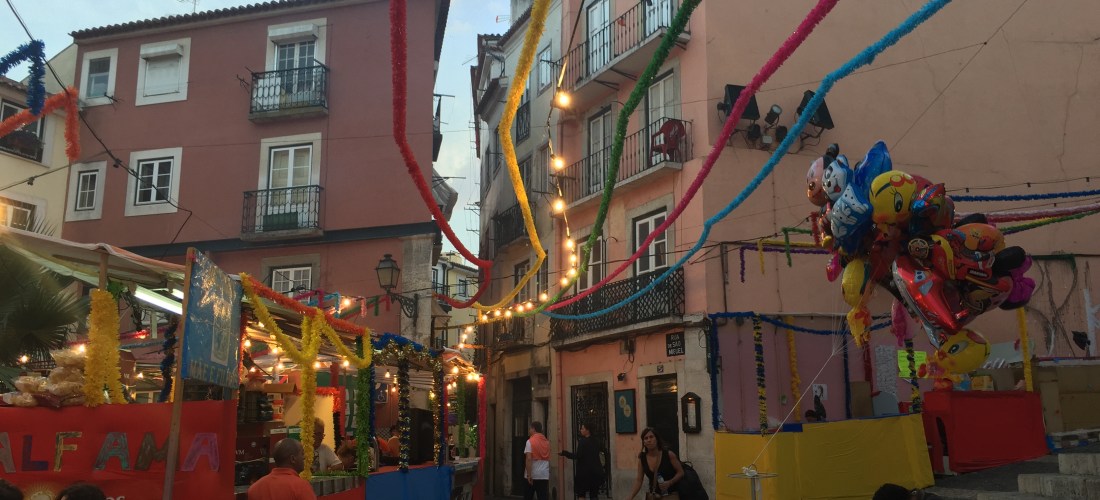
In June I re-visited Lisbon on my way to Azores and spend there two weekends. I was lucky enough to live the last days of the Santo Antonio festivities and visit my favourite beaches: Guincho and Caparica. The city shined in the light of the sun, or yellow lanterns during the night.

IMG_1773 IMG_2351

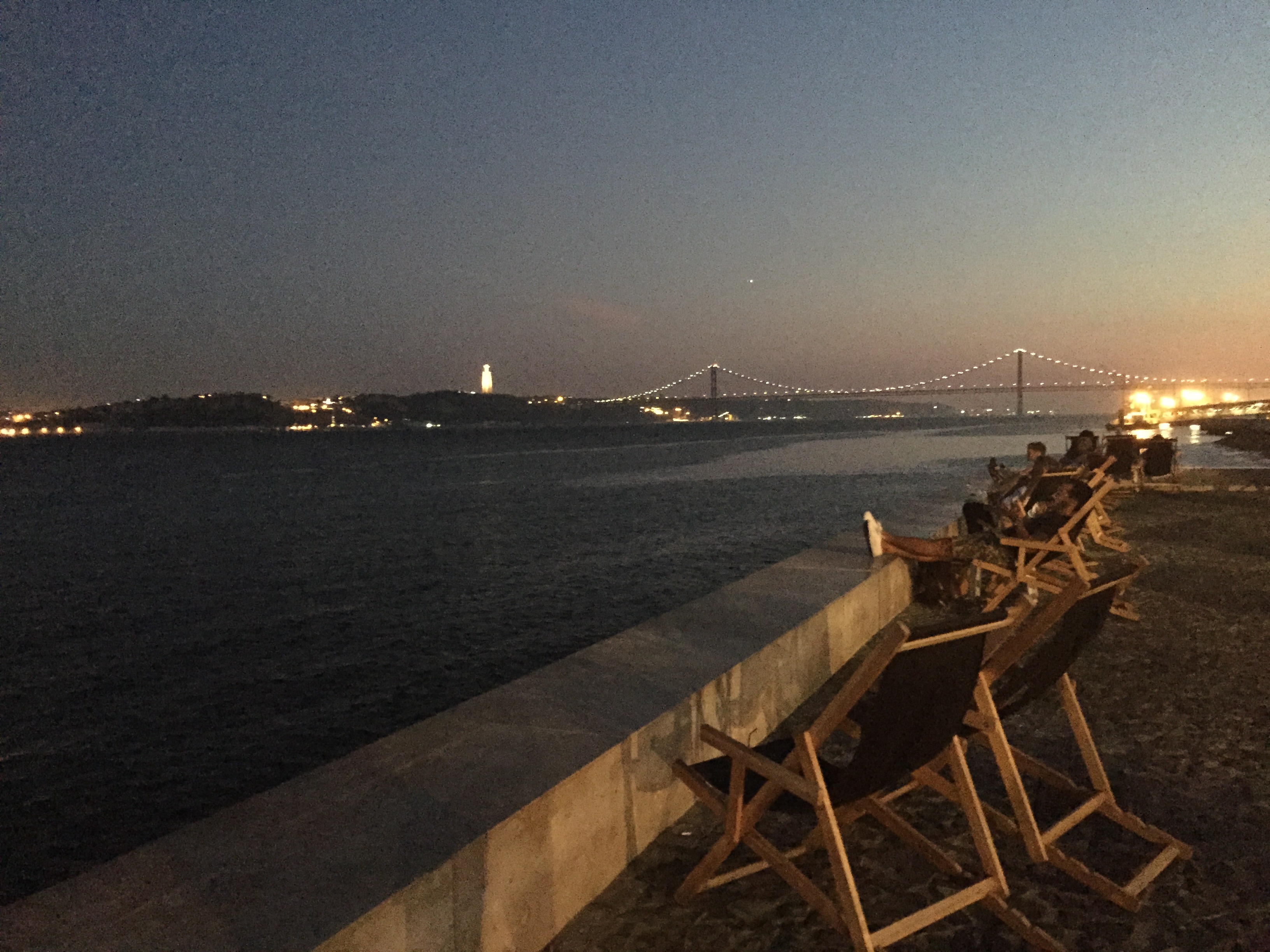
It changed greatly as well. The infrastructure is much better since the airport connects the city centre with a metro line. The Tagus river bank has now a boulevard to enjoy the sunsets while listening to the urban beat (often: Brazilian, Angolan combo of sounds – so good…). There are, however, more tourists than before. Lisbon became one of the ‘hottest European destinations’, and it is perfectly understandable. Fascinating history, quirky architecture, sunny weather, best beaches in Europe within 1 hour drive reach, great cuisine, English-speaking services and affordable prices. Sounds great, but too familiar for someone who lived 4 years in Barcelona, where ‘normal life’ has become unbearable due to the massive tourism.

IMG_2357 IMG_2359

That’s why I am worried that the authenticity of Lisbon is at risk. My Lisbon friends no longer visit Alfama, as it is mostly invaded by tourists on segways, or worse: tuk-tuks creating serious traffic jams (!) on the little cobblestone streets.

IMG_2361 IMG_2435

I don’t want to rant about tourism in general. This is what we all do if we want to discover new places, don’t we? But then let’s call it travelling. Lisbon is one of its kind, special location and I always love to come back there, but when I do, I try to respect the locals, and their everyday lives and customs.

IMG_2434 IMG_2400

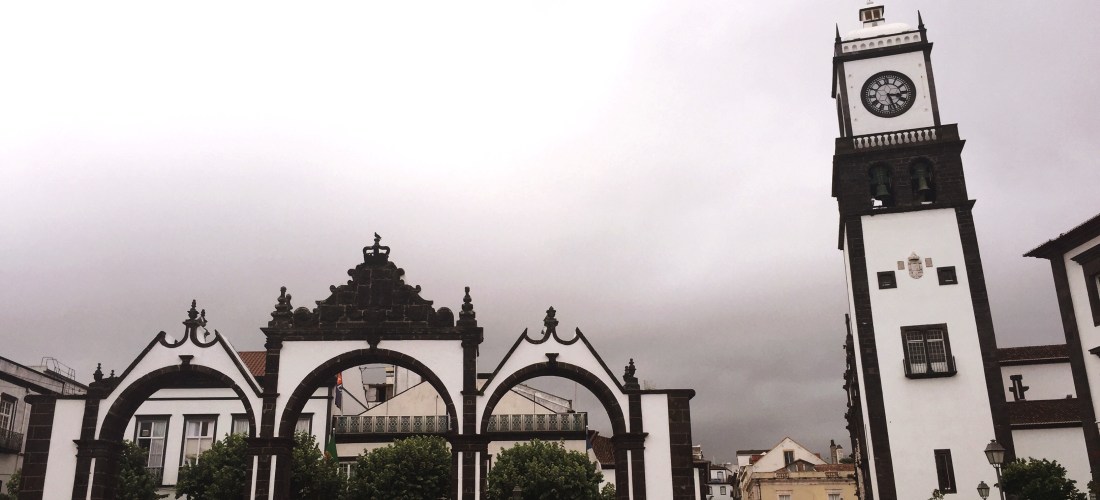
I always feel so welcome on the tiny streets, bars and pastelerias where time stopped years ago. I look at the faces that have seen different times, and now staring at the unconscious or intoxicated tourists passing by with the same indifference. Yet if you try to live the spirit of the traveller living the night and day of Lisbon, you will notice the difference.
IMG_2401 IMG_2415

Bem-vinda seja, Lisbon seems to tell me anytime I land there. And soon I’ll be there again, on a my way to a very interesting art conference!

Seven wonders in Sete Cidades

Travel

This is my last post (for now!) about the paradisiac island São Miguel, the most accessible one from the Azores archipelago. I have already written about its very special capital, and about the inland treasures. There is probably much more to write about, but I deliberately would like to leave the pictures taken in Sete Cidades (“Seven Cities” in English) and on the shores of the island to speak for themselves.Panoramic view over Sete Cidades and its Green and Blue Lake (Lagoa Verde and Lagoa Azul). The name of the town comes from the times of building a sustainable, democratic power in this part of the island, taking the votes of São Miguel’s seven cities representatives.
Sete Cidades is located in the westernmost part of the island, in the picturesque setting of the crater lakes. The difference in colours comes from the fact that one is more affected by the algae. However, the effect is indeed magic, and could probably be a great Portuguese candidate for the Seven Wonders of the World.


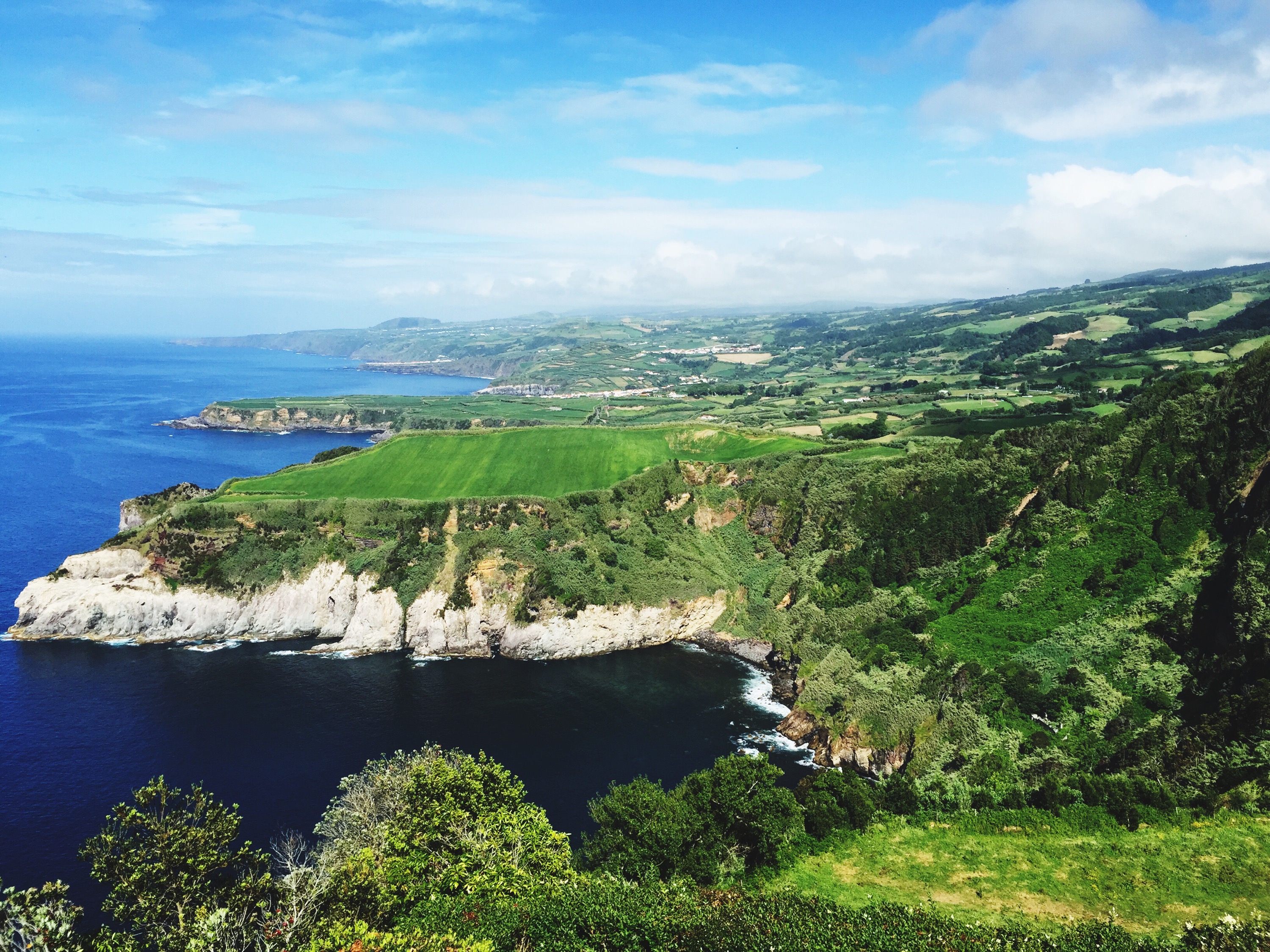
On the northernmost shores of São Miguel one can experience equally breathtaking views and try tea or pineapple from the local plantations. Actually, Azorean tea is the only one remaining old-fashioned producer in Europe. The delicate taste of Cha (eng. tea) Gorreana reminds me of this wonderful trip anytime I drink it back at home…To finish off this chapter, I would like to share my last moments on the Northern tip of the Island, where the peninsula is funnily shaped like a tartaruga (eng. turtle). I did not say ‘adeus‘, only ‘ate logo’. Next time I’ll visit Azores, I’ll try to sail or fly to the smaller, less accessible islands, I’m sure it’s worth to touch again this piece of paradise in the middle of the Atlantic Ocean.

São Miguel – the sheer beauty of simplicity

Travel

São Miguel is not an island for lazy bones. The island has its unique microclimate, varying from tropical, to moderate and windy at the coastline. While visiting the inland of São Miguel, make sure you go prepared for 7 seasons! But most importantly, prepare for breathtaking views and picturesque landscape, which is still not empoverished by the massive tourism presence and is ideal for a day-long hiking.

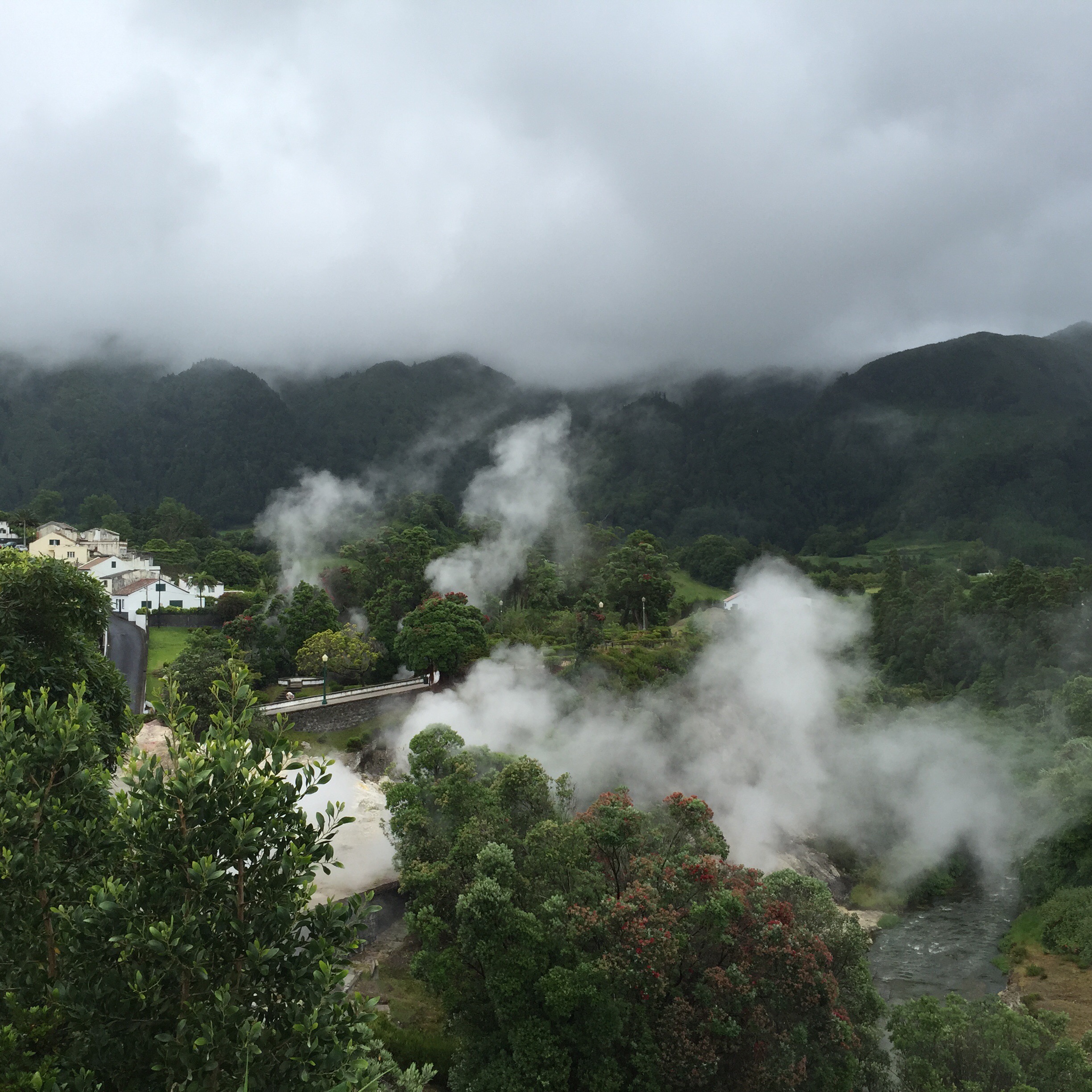
Given its volcanic origin, one can find various crater lakes which can be reached by winding roads from lovely and so unpretensciously named towns such as: Ponta Delgada (“Thin Tip”), Rabo de Peixe (“Fish Tail”), Ribeira Grande (“Great River”) or Furnas (“Heater”).
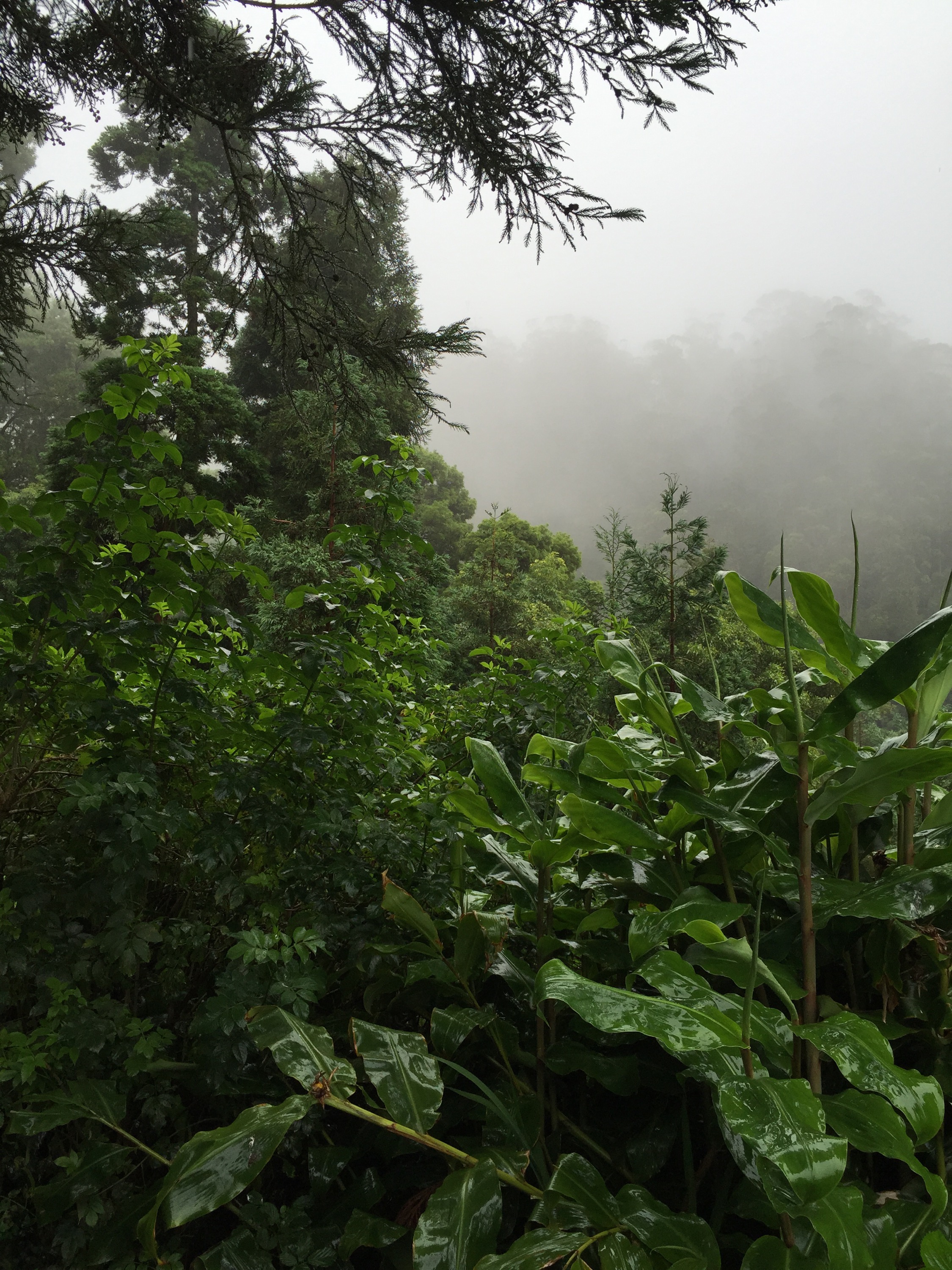
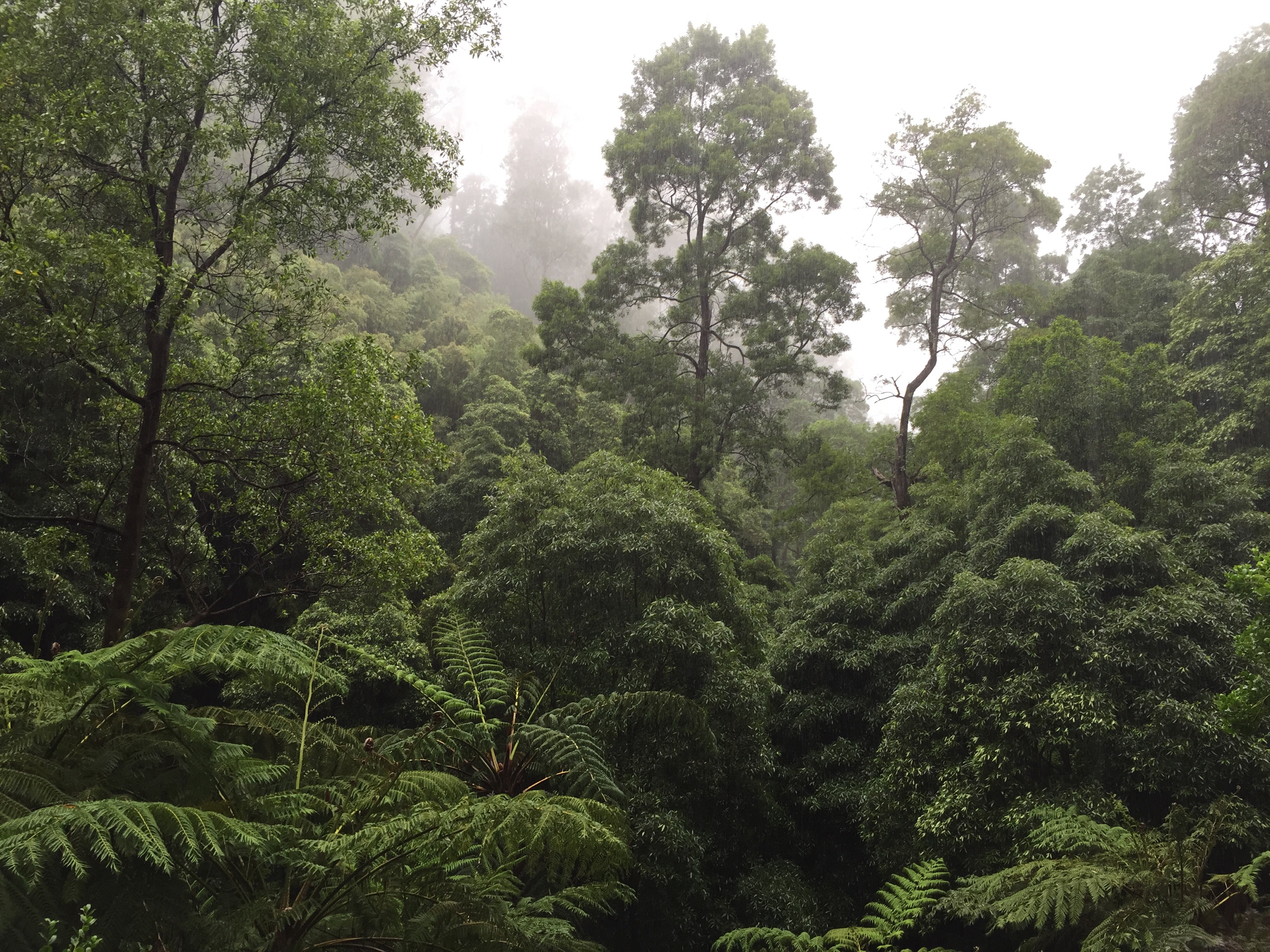
  The truth is, it can get very warm and humid when you enter the green forests on the sleepery hills. When the rain caught me on the trail to Caldeira Velha (definitely my fave name “Old Boiler”), I did not think twice to jump in the hot spring. 

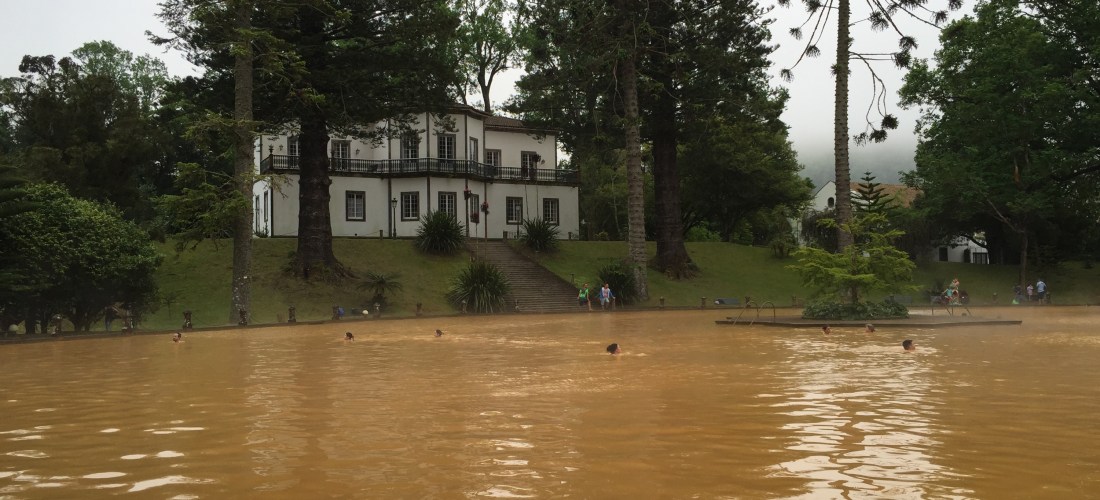
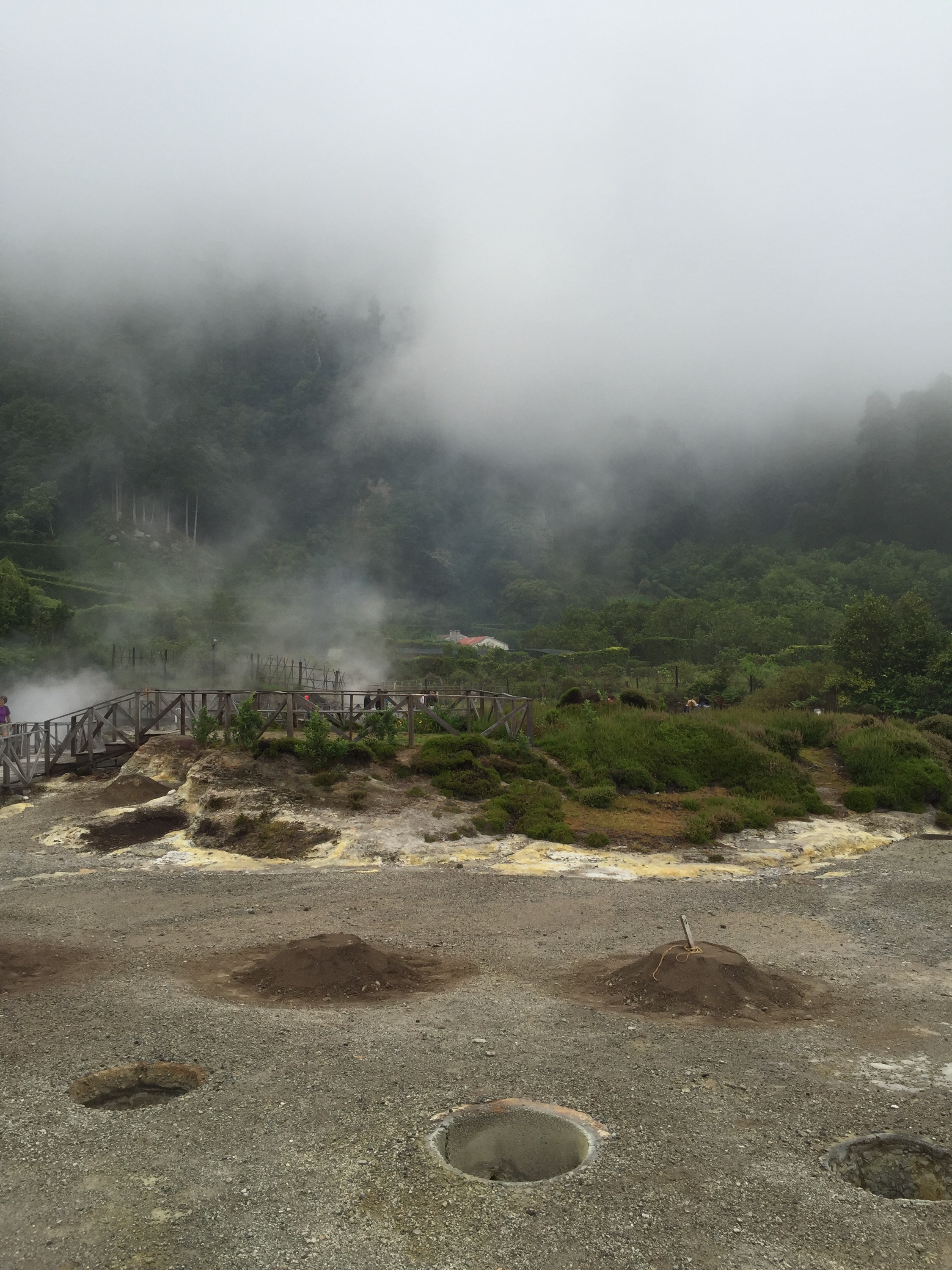
Hot springs, full of iron and other minerals are a free retreat offered by Mother Nature on this heavenly island. Another interesting fact is that in Furnas, the typical dish called cozido (“Cooked Meal” – another brilliant and self-descriptive name!) is prepared… below the ground. It takes about 8 hours to prepare a dish consisting of various types of meat and vegetable stew buried in a huge metal pot.

Yes, exactly like this one. Inside, the geothermal temperature goes up to 90 degrees Celcius, offering fantastic conditions to cook a very delicious stew.

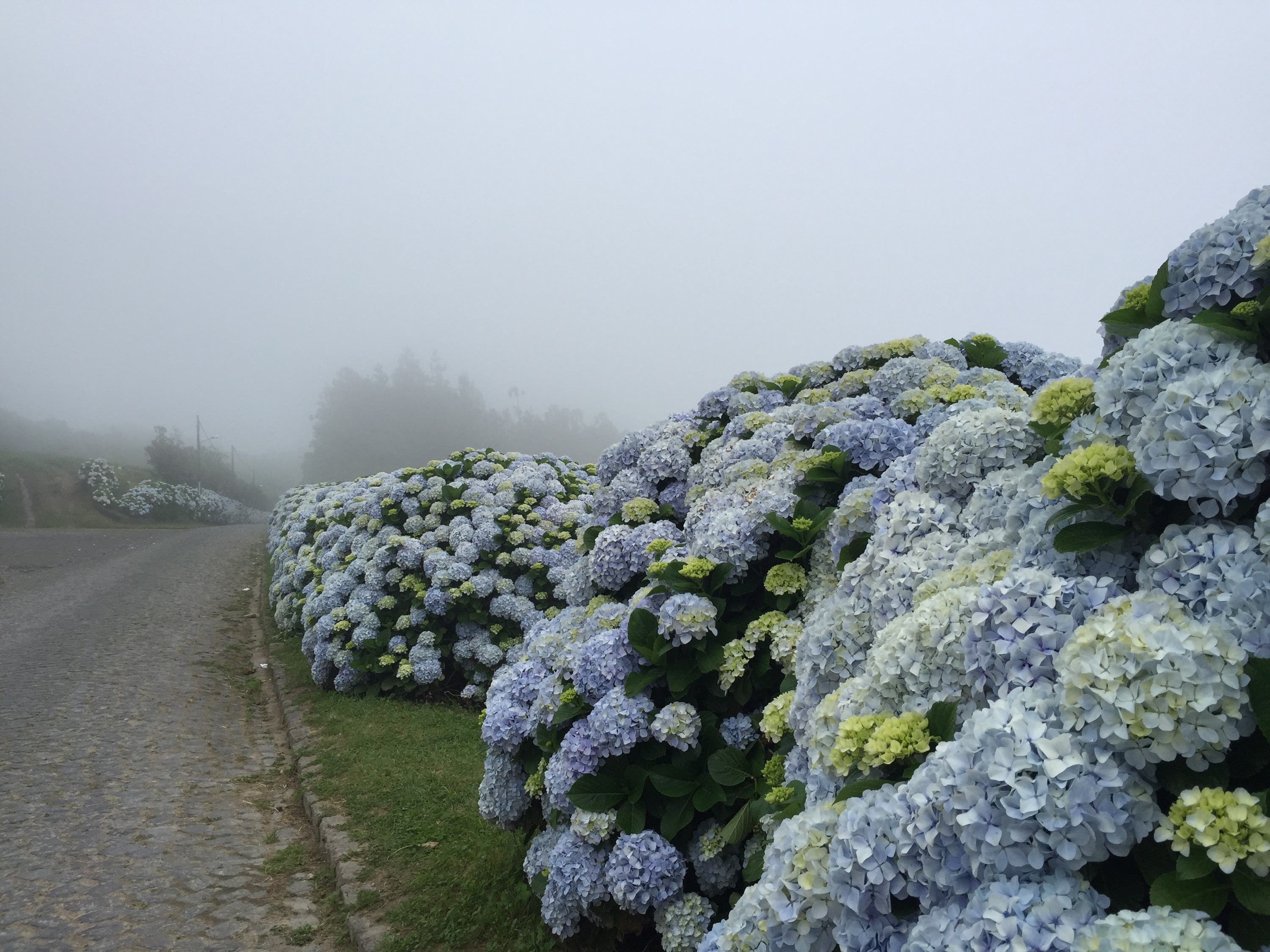
The inland hills and roads are also very mystical. Almost all the roads are naturally decorated by hortensia (eng. hydrangea). The reason for it is also pretty simple: once upon a time, man discovered that cattle somewhat hates the smell of it. By planting it by the road, he made himself sure that the cows won’t be passing it. By now, these beautiful flowers grow almost everywhere the roads of the island, making São Miguel a particularly picturesque place to wander around and never come back.

The thin tip or the capital of Azores

Travel

Ponta Delgada means literally ‘Thin tip’, and is a capital of the enchanting archipelago of Azores I was lucky enough to visit a few weeks ago. But don’t be mislead by the name: its airport is definitely not such a thin stripe as the one on the Madeira Island and is already pretty busy. Ponta Delgada can be reached with the direct flights from Oporto, Lisbon, London and Amsterdam, and also from the other side of the Atlantic Ocean.

IMG_1898 IMG_2131I

Since it’s the first year of having the low fare airlines operating to Azores, the question is: for how long will the islands stay so peaceful and conserve its remote charm? It is true that there are three times more cows than inhabitants of the São Miguel Island, still being the biggest one of the Azorean archipelago. There are not too many hotels, or pensions (I stayed at the Azorean Urban Lodge, and recommend this experience very much!). However, it already looks pretty welcoming and offering a great deal of the infrastructure, including organized trips, hikes and excellent cuisine to the visitors.

IMG_1835 IMG_2134

Some parts of the city look pretty abandoned, given the historical emigration rate, mostly to the East Coast of the US and Canada. Some buildings revive its ‘2nd life’ though, given the art-friendly policy of the city. Don’t be surprised if you notice some popular mural painters’ art on a random backyard street. Or if you see the endemite trees imported from the New Zealand during the colonial times. Expect the unexpected!

IMG_1842 IMG_2153

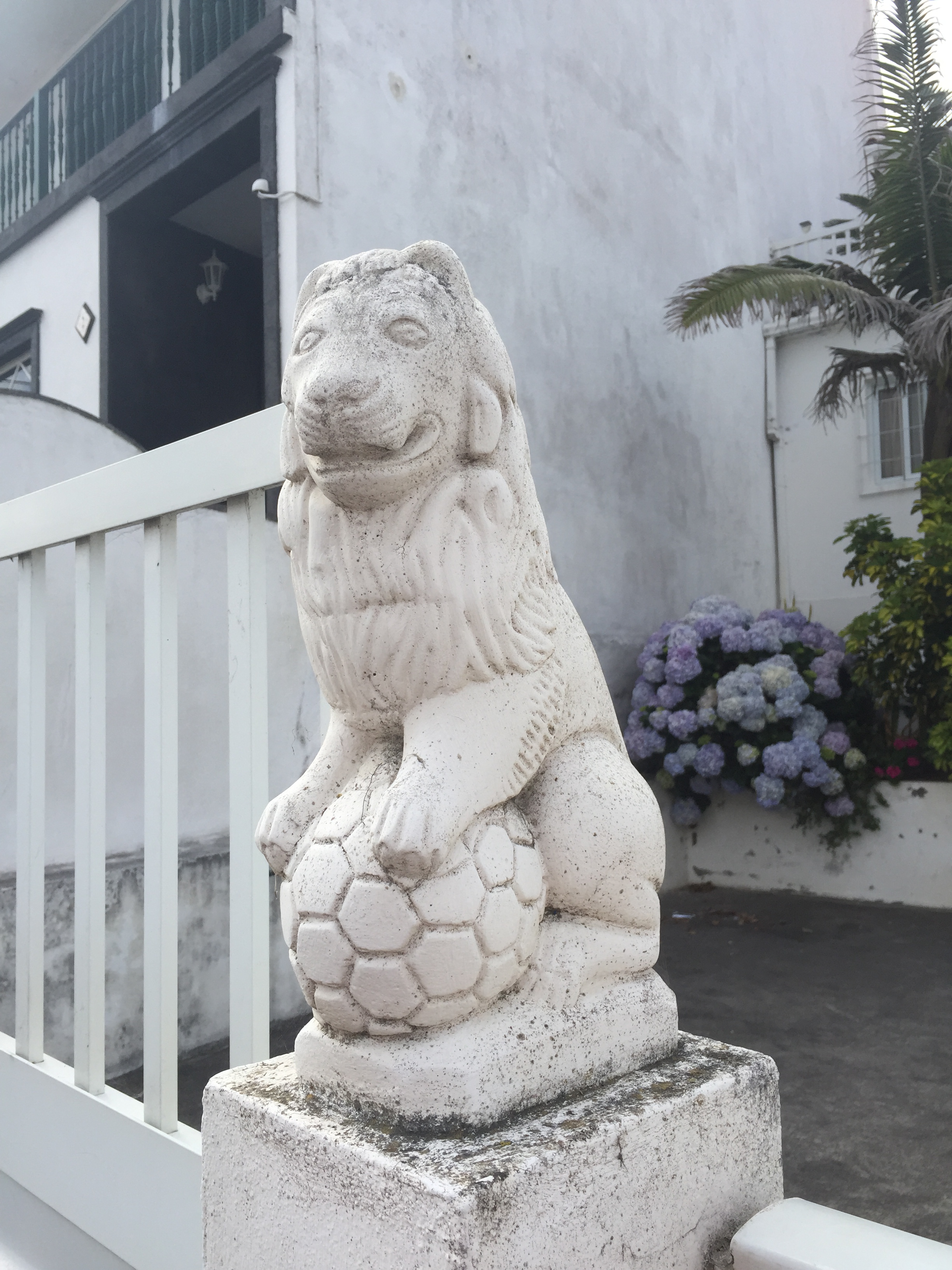
Nature and art, in a peaceful cohabitance, make Ponta Delgada a very special place. Be it Rainha das Bifanas (‘The queen of the beef sandwiches’ – very popular Portuguese dish), the ‘Lion King of Football’ (very popular house decoration) or a fancy mural. This coexistence of different styles, climate (be prepared for weather changing few times per day) and cultures makes this town very special, and hope that this will stay so charming regardless of the massive tourism knocking at its door.
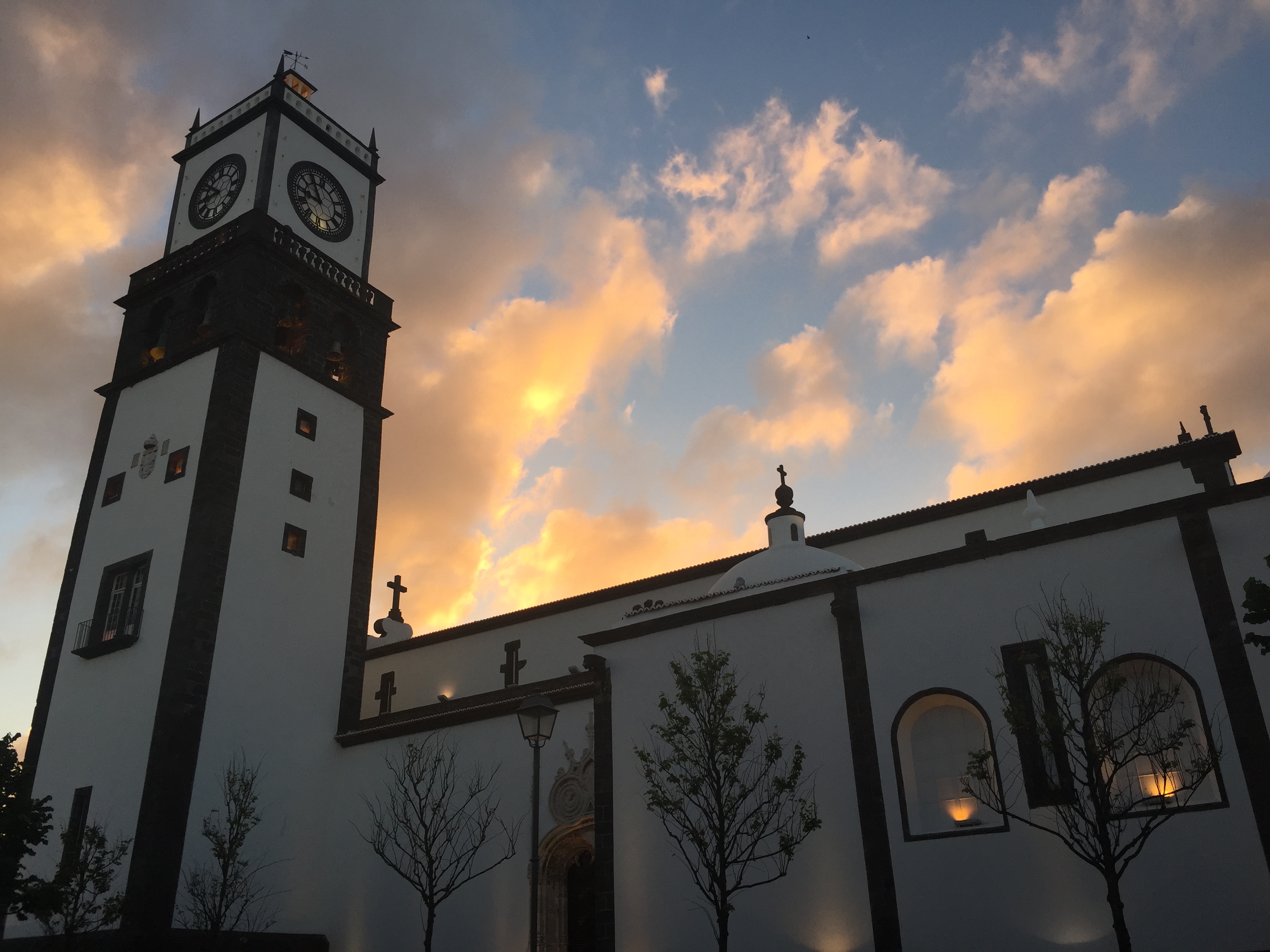
IMG_2184 IMG_2182

Portugalove

Personal, Travel
Just a quick heads up: I will be back again in Lisbon already this Saturday. I am more than happy to re-visit one of the cities that made great impact on my life and stayed always very close to my heart and soul. I am even happier that I will be able to participate in the Santo António celebrations which take place in the month of June all around different neighbourhoods.
I always enjoy the landing in Lisbon, as the plane normally takes a round around the Tejo river, the massive port entrance and flies just above the picturesque city centre. It wasn’t so much fun when I was living in Entrecampos neighbourhood for a while, as the air traffic is quite heavy and every couple of minutes a plane lands or takes off.
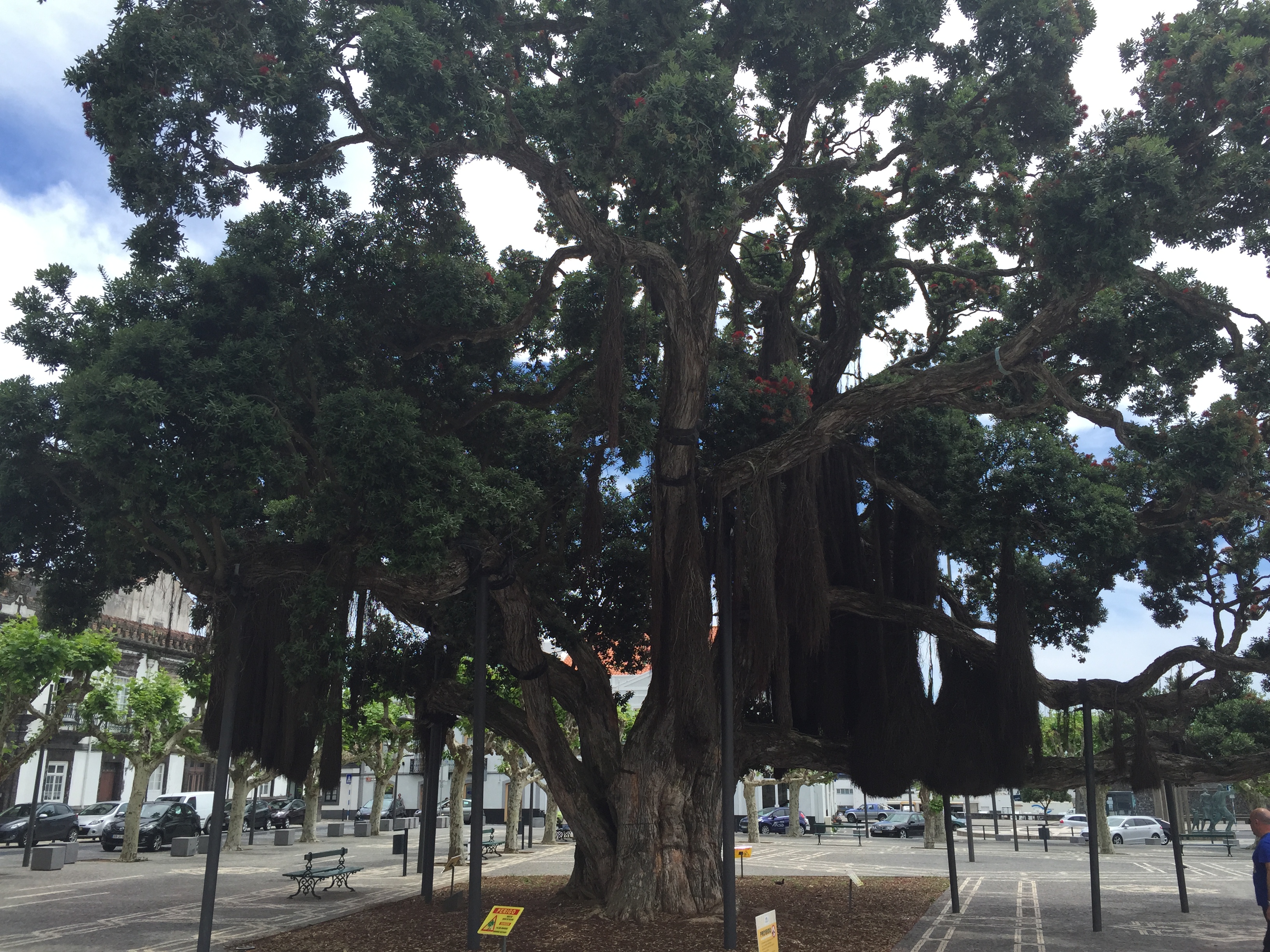
But that’s not the end of this year’s adventure. I am heading to the mid-Atlantic located Sao Miguel, the island from the Azores Archipelago. It was one of the dreams I had, to visit this remote, and still not too touristic place, full of natural wonders and amazing heritage. I will keep you posted about my stay there sometime in July, when I am back.
I dedicate this, perhaps a little bit naive, but how lovely, summery track to my long-awaited holidays, and to my beloved Portugal.

Portuguese bairro in Hamburg

Travel

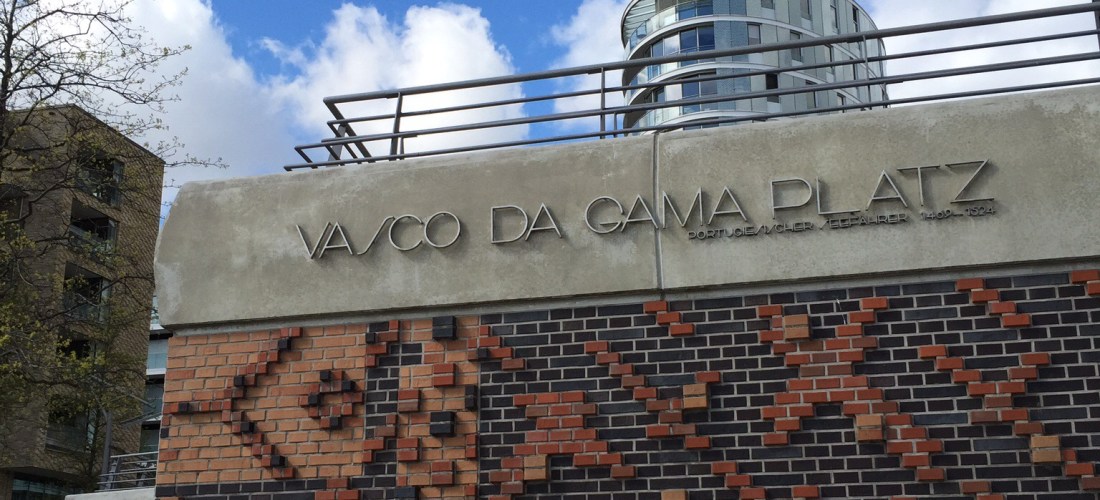
Spring equals travels to me – and this year I am very curious to explore different German cities. After my Easter trip to the East Baltic Sea (called ‘Ostsee’ = ‘East Sea’ in German), the next destination for the long weekend of May 1st was scheduled for Hamburg. I met people originating from Hamburg and some who just lived there for a while, but all of them were speaking very fondly about the city. I followed their great tips and during 3 days I explored the highlighted parts and much more. The major surprise was finding the ‘Portugiesenvirtel’ aka Portuguese bairro very closely to the city centre.

  Portuguese district is located very near Landungsbrücken – a bridge separating the centre and famous alternative St. Pauli. I was lucky enough to arrive there during the time for almoço (lunch). Even though I plan a trip to Lisbon in Azores in only one month, and I often eat out in a Portuguese restaurant in Berlin (which happens to be steps away from my workplace), I got myself into saudade-mode. Not only the taste of vinho verde and excellent carne alentejana, but the fact, that for a moment I could only talk and think in Portuguese, was just a precious surprise.

So what’s the story behind? Quite obviously, the Hanseatic city of Hamburg being Europe’s largest port since centuries, attracted also famous Portuguese sailors. First settlements of the Portuguese families date back to 16th Century, while the country was a growing colonial empire.

Just one afternoon, and my soul felt very contented. I also learnt a simple poem displayed among different Portuguese items in the restaurant, very relevant for the forthcoming Mother’s Day (quite different date in different countries: but happening tomorrow in Germany):
“Com três letrinhas apenas
Se escreve a Palavra Mãe
É das palavras mais pequenas
A maior que o Mundo tem”

A minha vida em português

Personal

There is no other language that makes my soul happy as much as Portuguese does. Even that nowadays I discover the beauty (ja!) and funny particularities in German and meet amazing people here, I feel that a part of me belongs still somewhere else. But it’s no longer just an empty feeling of longing aka saudade, it’s rather enriching and empowering on various occasions.

In other words, it motivates me a lot to understand and be understood till some extentent in the language I once thought impossible to learn (German) but still think and feel in Portuguese when it comes to certain things, even though I am not a native speaker. Just as friends can become our family of choice, I believe strongly that for linguistic freaks foreign languages can play a similar role!

Also, I caught myself speaking with my Brazilian colleague passing to English ‘when it comes to business’ and leaving Portuguese for purely fun times. I unconsciously bump into the Brazilians and speak about piadas and bagunças long hours. Same goes for Spanish, but that’s another story.

Well, I am not alone, and finally I discovered a documentary film which connects the most interesting aspects of this language: Lingua – Vidas em Português.

Multilayered, spoken over different parts in Europe, Americas, Asia and Africa, Portuguese is now not only a language that came from the colonial ancestry, but that has merged different races, roots, tribes and geographical locations.

My father used to tell me long time ago that both the Southern hemisphere and the Portuguese language are the future of our globe. He was a visionary and extremely wise person with a capacity to predict different economical processes long before. He was thus always pushing me towards learning this niche language back in a day, as he believed that I will  succeed somewhere in this big world.

It was a great revelation to see how Portuguese language has shaped the lives of others, but most importantly, to know that I am not the only one to feel the multicultural and ethnical particularity which probably no other widely-spoken language of nowadays has.

Do Chiado ao Bairro Alto

Travel

My friends asked me several times which bairro of Lisbon is my favourite. And I had quite a dilemma to choose… The title of this post ‘From Chiado to Bairro Alto’ is nothing more than taken from a popular fado song, but actually it links a story about two bordering neighbourhoods of Lisbon which I happen to like a lot!

Chiado, nowadays ‘a posh face’ of Lisbon, with plenty of designers stores, elegant cafes and, all-time present Fernando Pessoa. He is actually sitting 24/7 in the famous ‘A Brasileira’ café. It is worth visiting yet I have to make a remark that wherever in Portugal, coffee is just exceptionally good and cheap. Be aware though when using the original Portuguese nomenclature for asking a waiter for the great variety of coffees. A simple espresso will be called here bica and not bico (please look it up in http://www.urbandictionary.com, for the sake of not getting Portuguese spam I will remain silent about the meaning and usage of this word).

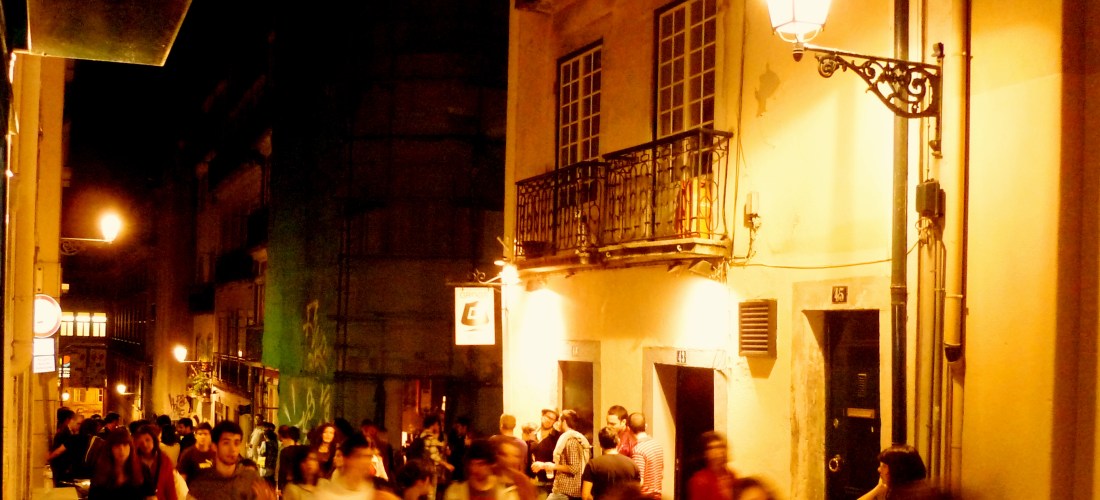
Meanwhile Bairro Alto is a Mecca for the party people, (Erasmus) students and/or those who enjoy the busy atmosphere of barzinhos. There is pretty much every musical style to be met in this tiny but crowded place, from indie rock through Brazilian live music to Berliner minimal tech. Not much recommended for those who actually like to sleep during the night, but for those who like bohemian wandering around 4 am it will probably be a perfect destination.

Wiki:

Bairro – neighbourhood

Barzinho – little bar (same word in Portuguese)

On the other side of the Bridge: Costa Caparica

Music, Travel

The quantity of quality beaches nearby Lisbon, not to mention in Portugal, is overwhelming. You can have a glimpse of how it is like to wander around the country beach tasting/testing but the sites I will present here will maybe cover 1% of the total number.

Costa Caparica is probably the hippest beach in the Lisbon’s surrounding. The fact is, it is pretty much accessible, either by car, or by bus taken from the centre of Lisbon. Be aware if travelling during rush hours: the beach is situated on the other side of the Tejo river, and the famous Ponte de 25 de Abril at that times become rather a parking lot than an artery.

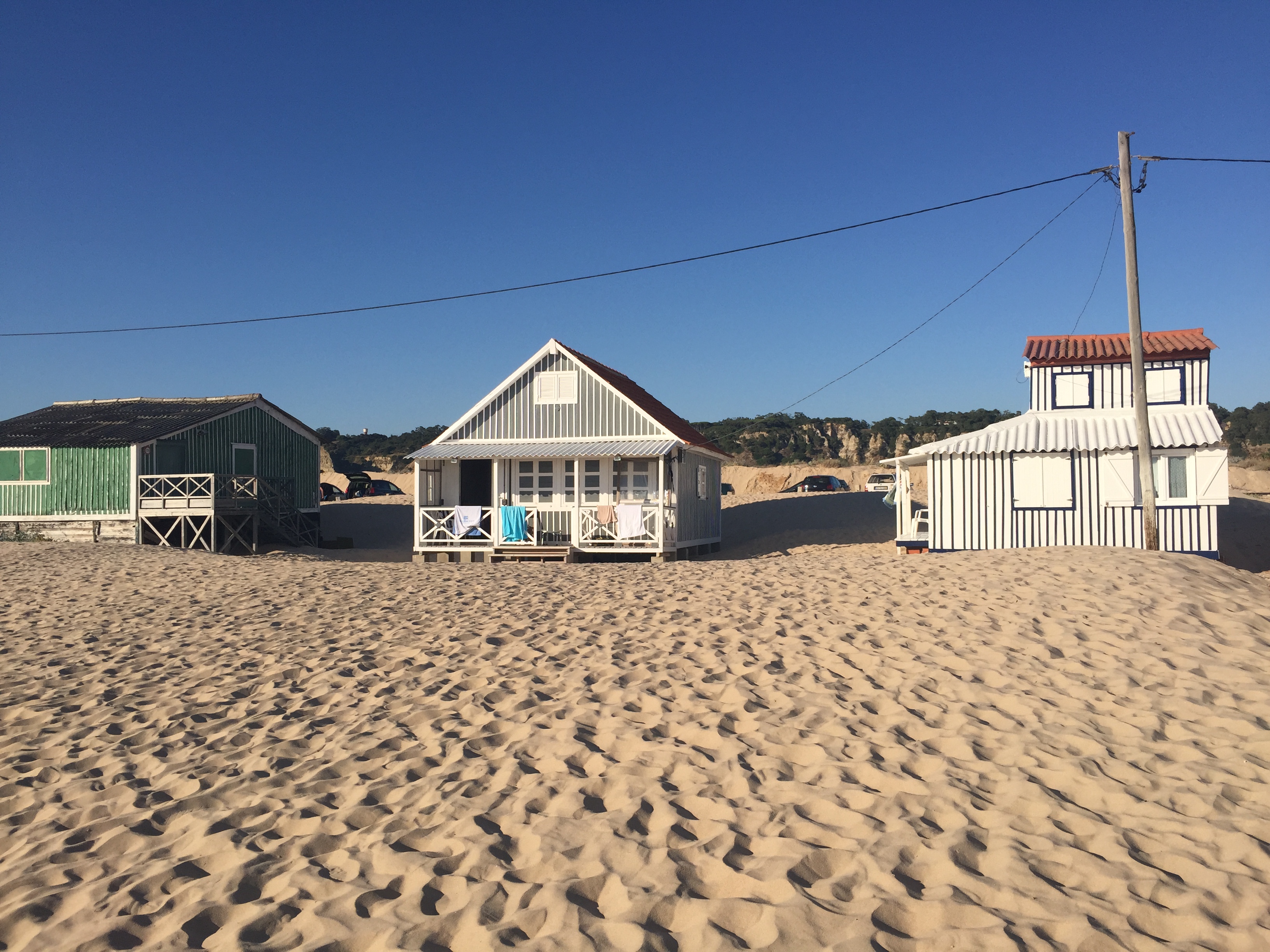
Once you get there, you will notice various beach bars and restaurants, varying from very posh to quite affordable ones. But what actually is my favourite remark of the Caparica beach is the quantity of surfing schools and little, wooden houses which endured wind, sun and high tides.

There is pretty much everything to be found on this wide beach: also a nudist and gay zone aka Praia 19. However, if you are looking for a rocky beach where to hide from the all-time present sun and humanity, Caparica may not be the best choice.

My personal fave is to sit nearby the wooden houses, listening to bossa nova classics overlooking the sunset and think about what memories I have left on the other side of the Atlantic Ocean. I think that what Principezinho meant by ‘looking at the sunsets’ while being melancholic, the Portuguese put nicely in one keyword: saudade.

Wiki:

Ponte de 25 de Abril – 25th of April Bridge, connecting the city of Lisbon with the municipality of Almada on the left (south) bank of the Tejo river. The name “25 de Abril” commemorates the Carnation Revolution.

Principezinho – The Little Prince of Saint-Exupery