Macau é legal!

Travel

Last year I set foot in East Asia for the first time in my life and after scratching the surface in pursuit of discovering Japan, quite spontaneously I decided to travel to Hong Kong, Macau and Taiwan during the New Year’s week.

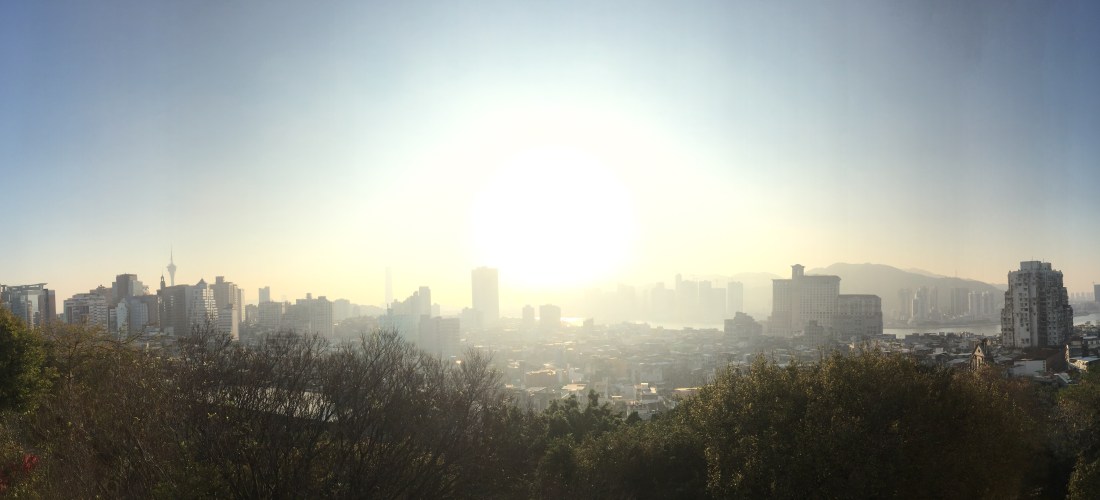
Most people visit Macau for its fame of being an Asian equivalent of Las Vegas: with their copies of Eiffel Tower, Venice, casinos and its vibrant nightlife. I was attracted to it, naturally, by its history and second language: Portuguese. To make it even more interesting: I went there with my Brazilian friends. It was a pretty amazing experience to be in Chinese-controlled territory and read the names of the streets, menus and shops in Portuguese.

This exotic combination is a consequence of its complicated and paradox history: Macau belonged to Portugal as a part of their administration territory first, and then overseas colonies. Macau was the last remaining European colony in Asia and its sovereignity was transferred back under China’s in 1999. Until 2049 it remains a solid dose of authonomy from China and is one of the wealthiest states in the world.

Being the largest gambling centre in the world and somewhat overwhelming with its luxurious hotels, it is a land of contrasts, too. Together with my friends, we took an opportunity to walk around both the ovewhelming skyscrappers and the ruins to get a bit broader view on this place.

I think there are as many opinions about this place, as are the people. Literally one friend almost discouraged me from even going to Macau, and other claimed it was one of the most unexpectedly nice surprises when island hopping around Hong-Kong.

I have to admit, the visit was definitely unforgettable. Almost like lost in translation between Cantonese, Mandarin and Portuguese. I am always a fan of collages and diversity and I am pretty amazed by Macao’s story. It was equally worth to get lost in its small streets of the Old Town, and in the shadows of the Grande Lisboa Hotel.

My experience is probably incomplete, since I stayed there for less than 24 hours, but what travelling experience is anyway? Straight from Macau, I took a plane to Taipei, from its very modern yet small airport with the runway located on the sea, which added up a lot of adrenaline to the overall experience (after having a blissful breakfast of a typical Portuguese tosta mixta and pastel de nata).

Apart from quite particular art showing various depictions of rabbits, which can be the best closing note for this blog entry.

Special dedication to Cassiana & Paula who took this extravant journey full of champagne com cereja (e certanejo) around South-East coast of China with me. You’re the best and you know it.

Lissabon Wuppertal Lisboa

Music

When I travel, I look at things with the naivety of a child‘ – this is one of the most inspirational quotes I’ve lately read when visiting the exhibition dedicated to Pina Bausch at Berlin’s Martin Gropius Bau museum. I would love to share my thoughts about my relationship with dancing and travelling, and how I think they walk hand in hand as a self-reflective experience.

I came back to exploring my passion of the contemporary dance since I’ve moved to Berlin, given my early background in ballet, and Pina Bausch has been always a great choreographer and dancer I’ve been looking up to. Creative, fierce and explorative – these are the characteristics of my perception of her pieces, which I could by now only look up on Youtube. However, I am more than thrilled that tomorrow I will see the legendary ‘Palermo, Palermo’ by the Tanztheater Wupperthal Pina Bausch which continues the work of this artist after her death in 2007.

What brings me to the Portuguese influences, is the piece that has been prepared specifically for the Expo 1998, which took place in Lisbon. Pina Bausch often referred the discovery of the world and own body as a similar experience and that’s why her theatre benefited a lot from the international cooperation (to name Sicily, Hong-Kong, Japan and Portugal as a few).

To me the plethora of the local and universal symbols combined with her excellent choreography bridges dance almost as a travel experience. That’s why in the darkest, coldest seasons I resort to the passion and strength that I can force through dancing. This kind of escape through travelling without moving has obviously not much to do with the dance theatre, but originates in the same need of discovery, rejecting the boundaries and limitations. This is why I can’t probably stop watching various versions of ‘The Rite of Spring’ while waiting for the sun to come up and change the season, as these are my usual thoughts around second half of December.


Brazilian Jazz Carnival in Berlin

Music

Two years have passed in an Augenblick (like Germans like to define “the time that flies”) since I have moved to Berlin. I would lie, if I said I don’t miss Barcelona, Brazil, Portugal and my hometown Poznan from time to time. Travelling is relatively cheap and easy these days, at least to some of these locations though, so I don’t happen to be homesick too often to be honest.

Especially that I feel very happy where I am now, both personally, and professionally, and Berlin keeps surprising me every day with its amazing cultural offer. I even realised how I can cope best with the dark and cold days throughout roughly half of the year. Concerts and dancing are among my most powerful weapons!

It is also fair to say, that during these two years, I have met amazing people from all over the world sharing my passions and at the same time showing new perspectives, opening my mind and enriching my life.

More importantly, I keep speaking Portuguese. Be it at work with my Portuguese-speaking colleagues (or those wanting to simply learn and practice!), be it with my good old or newly acquired friends. Berlin has an incredible offer of Latin American movie festivals as well as concerts of all the music genres,  out of which I happened to see two of my Brazilian jazz gurus this year already.

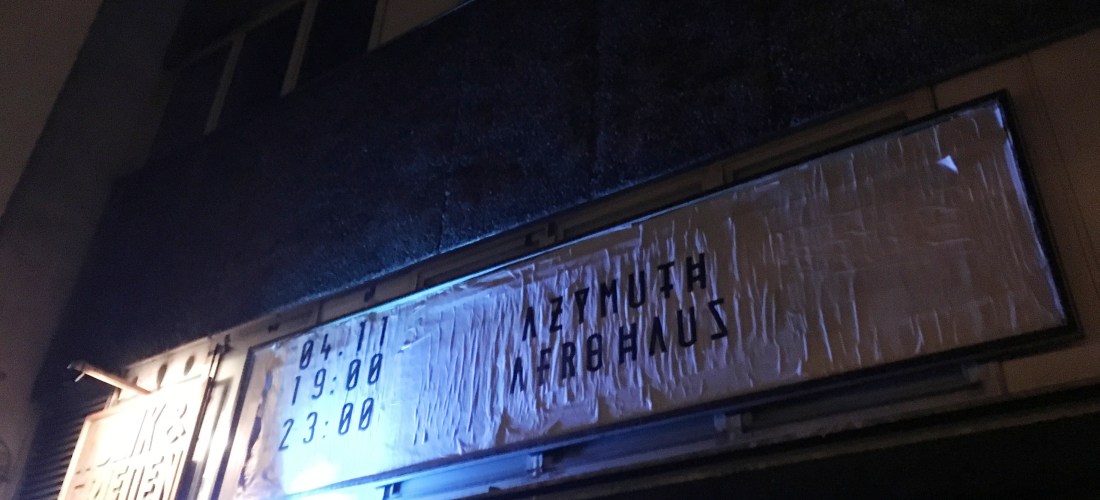
I am very honoured to have seen Ed Motta earlier this year, and Azymuth trio only yesterday. There are very few artists which inspired so many DJs and producers much as they did. Actually, I can’t think of any dancefloor which wouldn’t go crazy if a DJ dropped ‘Jazz Carnival’, regardless of the location. As a consequence, their tracks have been often remixed and incorporated into legendary mixes. I was hoping to see them live for a very long time, especially when I noticed that they were featured at the Boiler Room session and announced their European tour.

A thought that occurred to me yesterday, was about the universal and timeless aspect of music. Even though Azymuth members could be my grandparents, and most of their tracks are much more older than I am, their sound is moving the crowds to a state of frantic trance.

Muito obrigada, Maestros and long live Brazilian jazz!

Poeira de Deus

Travel

My journey to Cabo Verde is not over. After having visited the islands Santiago and Fogo, I started researching about the whole archipelago more and more and it seems that the journey through the available material is endless. Each island represents a very unique history, culture and even more often: a dialect.

So during the cold evenings in Berlin, drinking the flowery moscatel and refreshing white wine from the volcanic soil of Fogo I managed to find a documentary about the Rebelados – a community that inhabits the mountain ranges of Serra da Malagueta, and refuses the catholic religion, that was historically imposed on Cabo Verde by the Portuguese colonisation that lasted until 1974. I find it particularly interesting to see the beautiful mountain landscapes and fascinating celebrations, such as batuque.

I have spent one day hiking around the Serra Malagueta range, and nearby towns such as Assomada and São Domingos, that are the centre of communication to/from Praia and Tarrafal. Also, they offer a bustling marketplaces with food, clothing and what-not. Having in mind that Cabo Verde is a remote archipelago with the majority of its population living abroad, and scarce possibilities for agriculture, many of the goods taken for granted in the Western societies, here are often a basic need to be fulfilled (such as food, or even water).

In some places rain has not appear in years. Even though Santiago is considered the island with the most tropical climate (and hence: cases of dengue, malaria and ultimately – zika are rare, but contrary to other islands of archipelago, may happen due to the presence of the mosquitos).

The magnificent views, however, and the hospitality (morabeza  – the word originating in Portuguese creole) can make up for the certain hostility of the climate on these remote islands. There is a beautiful story to it called ‘God’s powder’ (Poeira de Deus): on the 8th day after creating and sculpting the world, God threw the rest of the powder into the ocean, creating 10 islands of Cabo Verde. Believe or not, I think there is some truth in it.


Trojan Horse was a Unicorn and lived in Troia

Travel

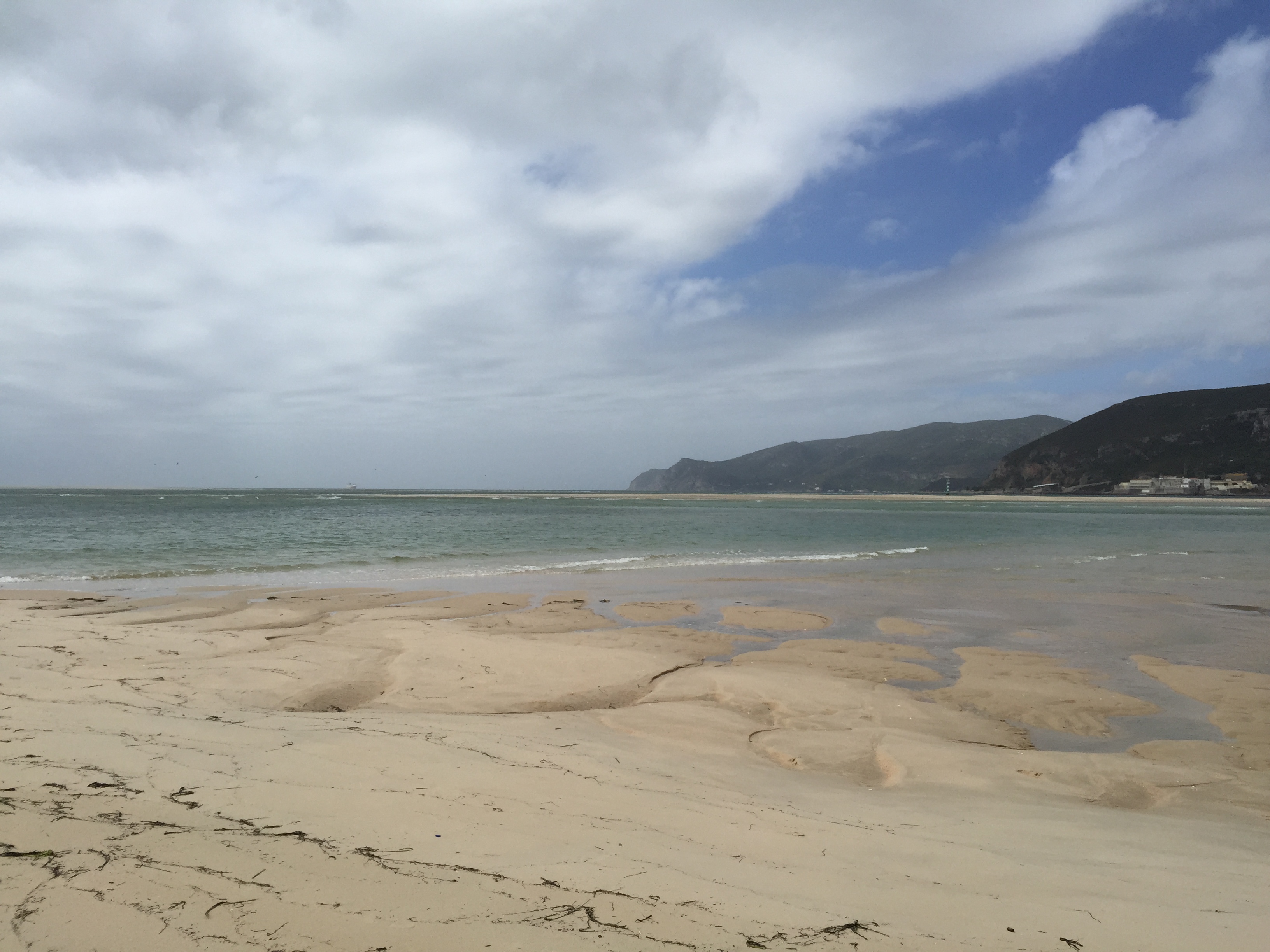
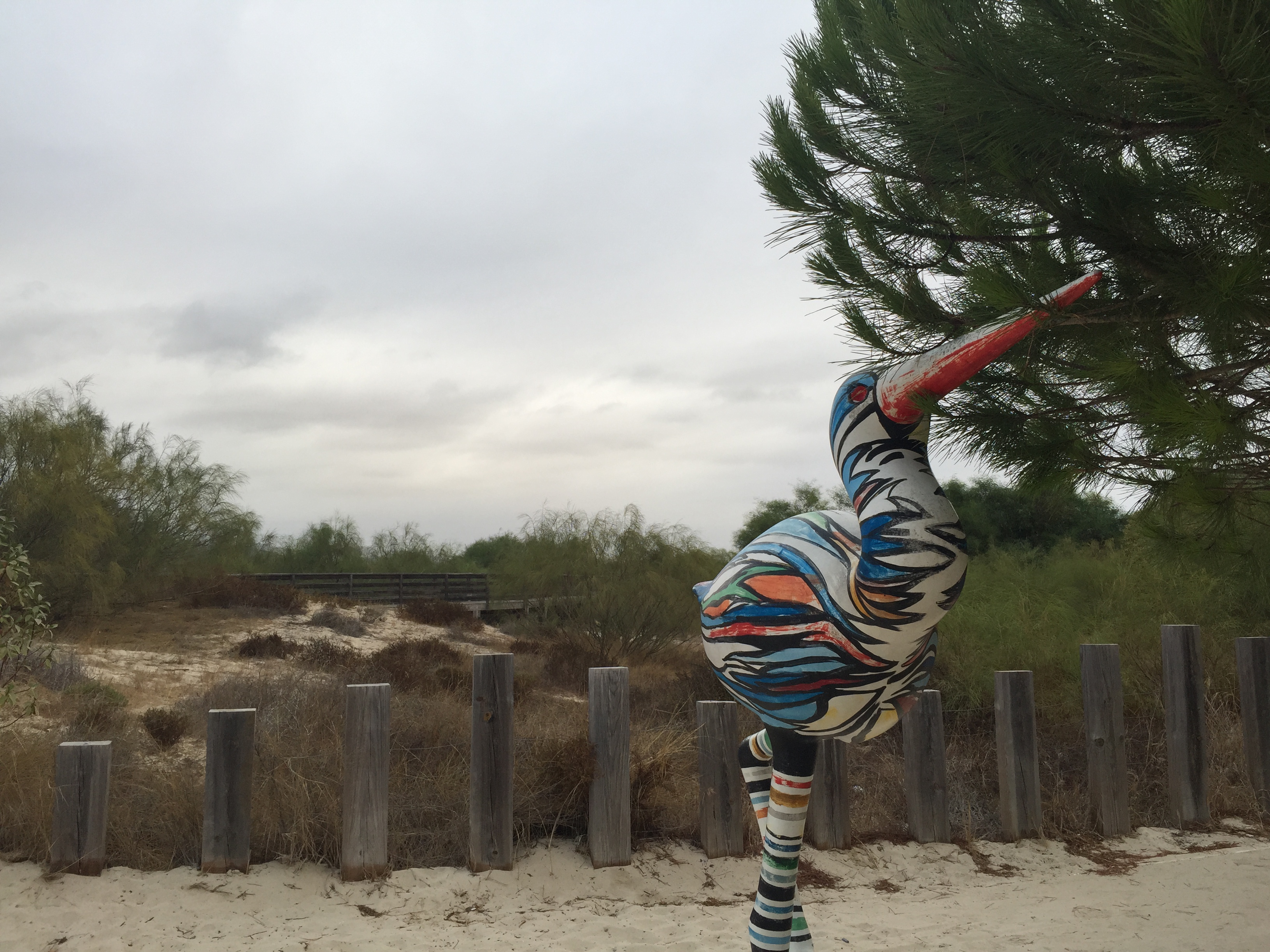
What is the connection between a remote peninsula in Alentejo and a well-known digital art conference? Well, both relate to the Trojan Horse. The conference and collective are named after a Trojan Horse (who) was a Unicorn, and its anual venue takes place in this remote, peninsular location of Troia in Portugal.

IMG_3736 IMG_3729

I was invited there last week to meet a bunch of concept artist, illustrators and animators from the film, entertainment and gaming world. It took me only two days to interview about 70 people and see their portfolios, some of them presenting pretty interesting (or at least: quirky) stuff.

IMG_3728 IMG_3707

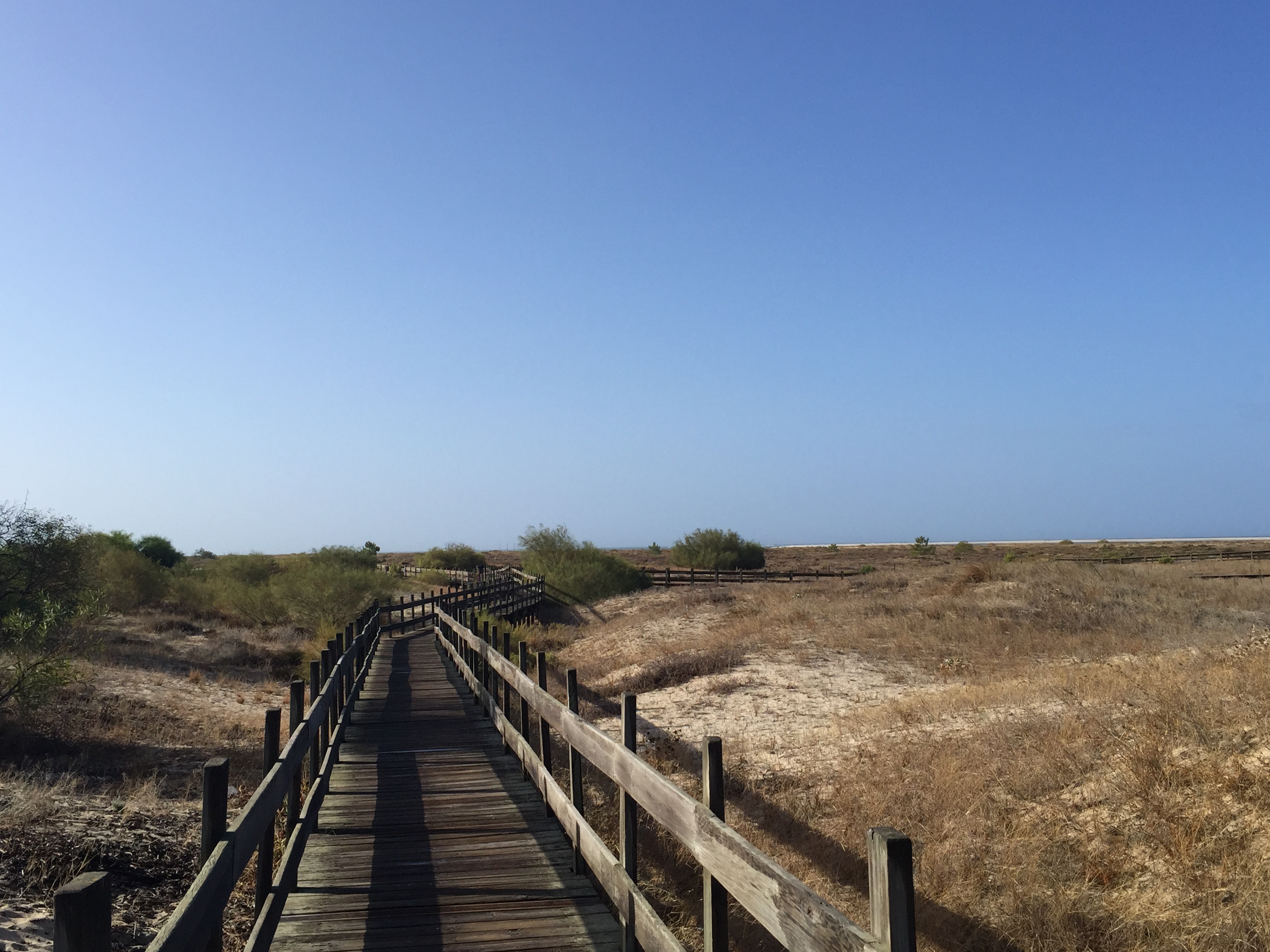
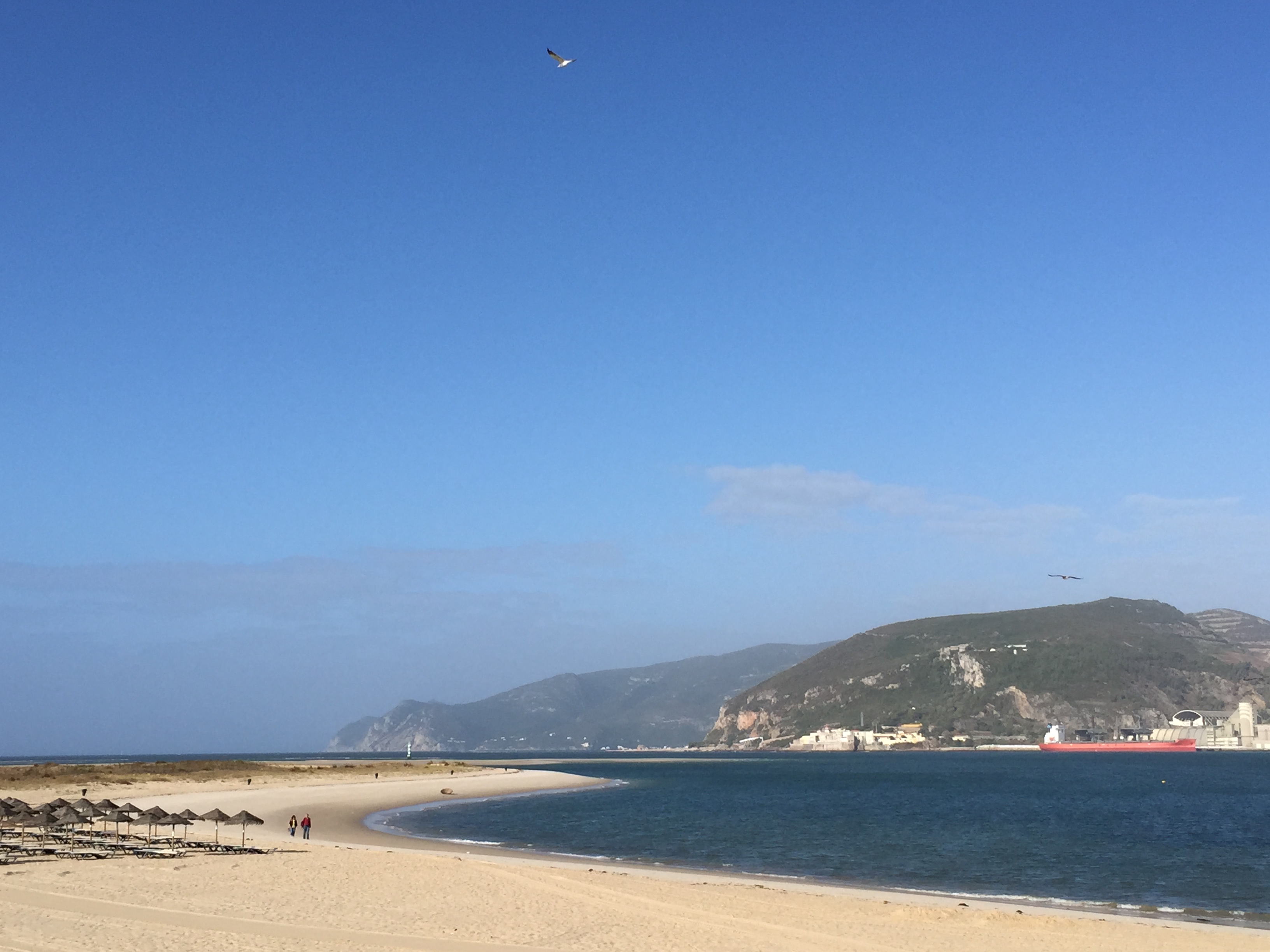
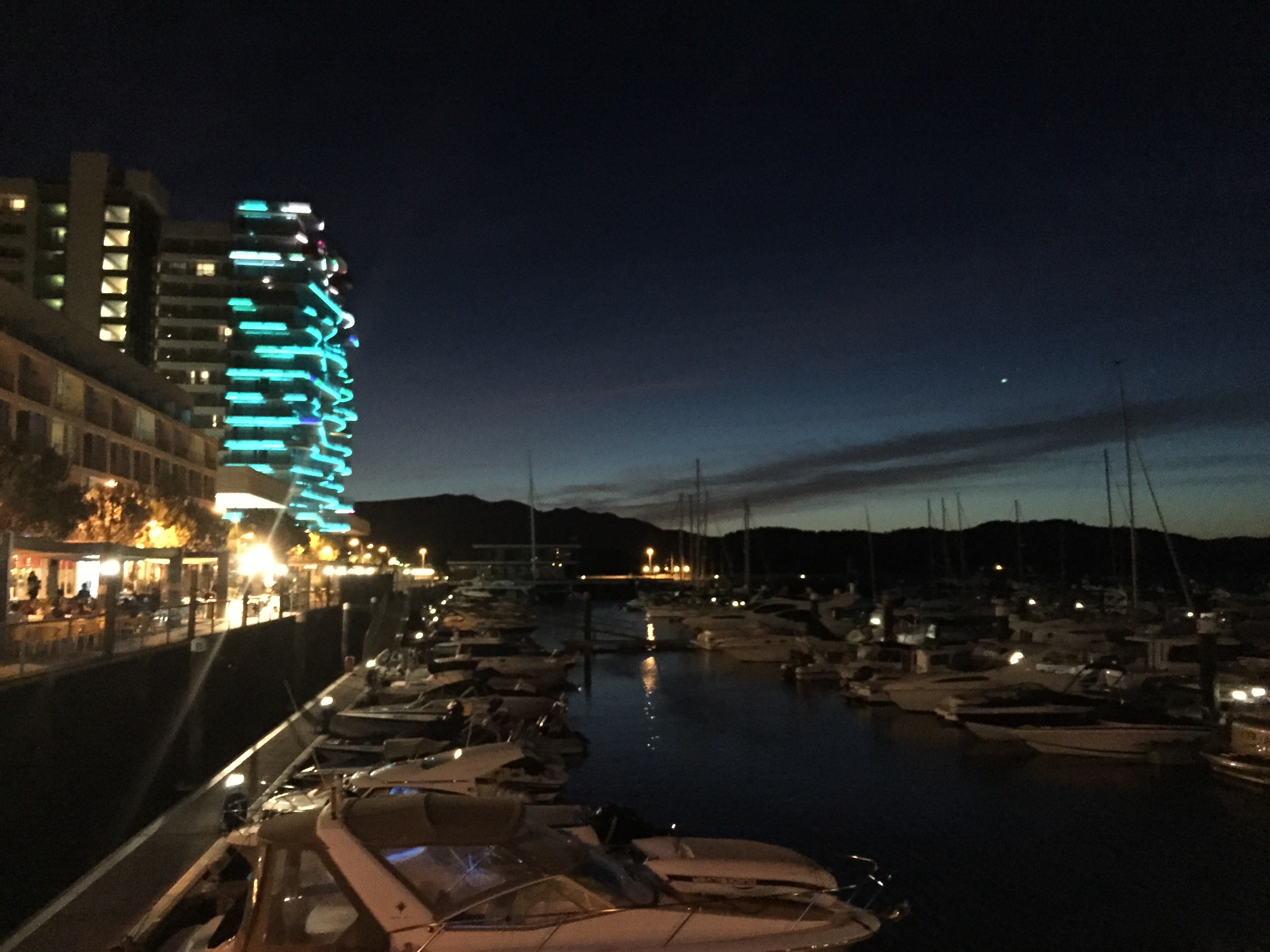
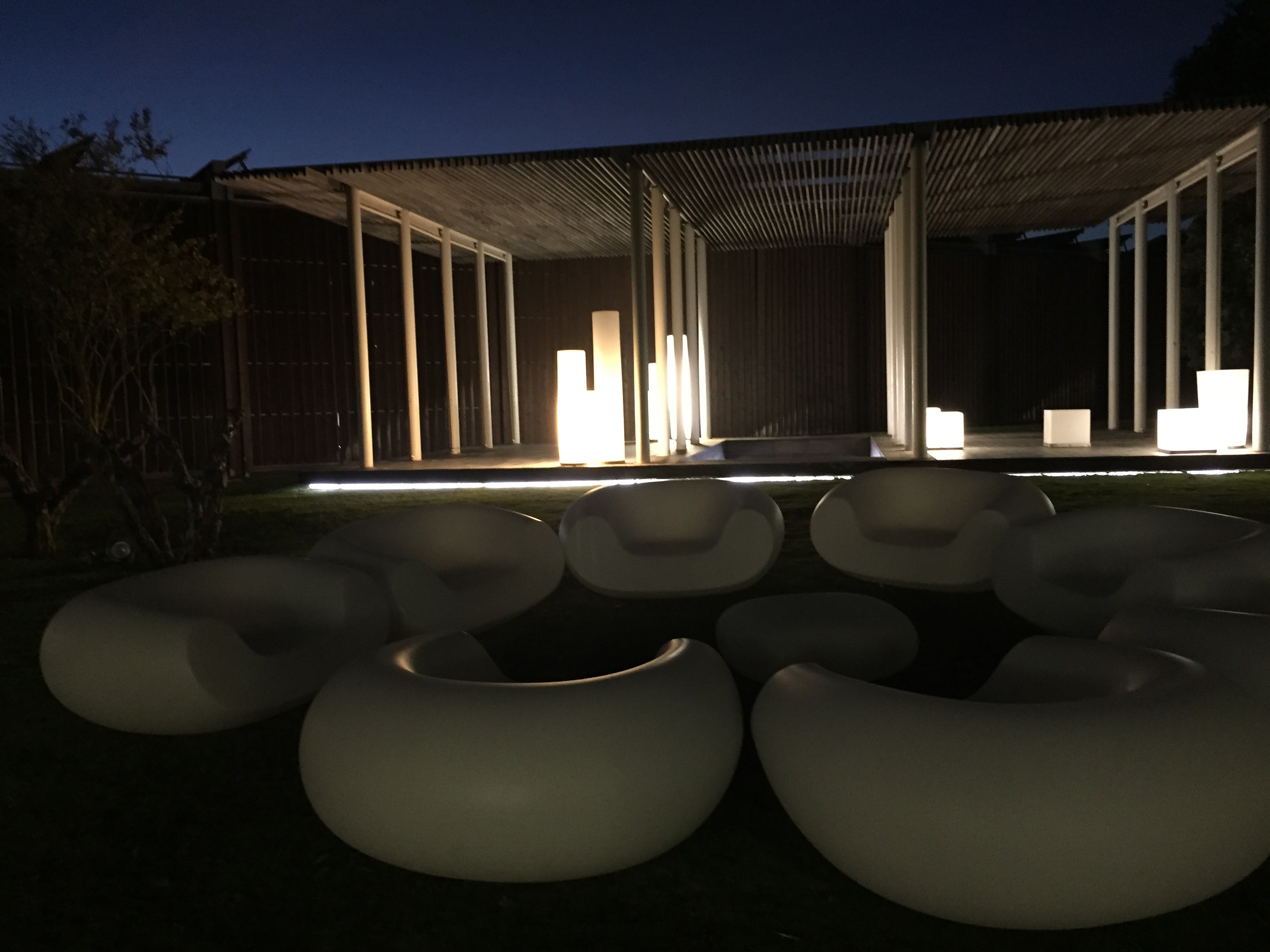
The place itself is also specific, to put it this way. Three years ago there was nothing more than a fishermen village on this enchanting peninsula South of Lisboa Metropolitan and Setubal anyway, surrounded by the Sado river estuary and Atlantic Ocean. Then, the luxury resort was built and although architectonically it’s not that much of a disaster, it has a strange feeling.

IMG_3701 IMG_3700

This is what happens often in places that offer great climate and nature sights all year round: it attracts greedy real estate investors. Hopefully Troia was not entirely covered in concrete and glass, and the National Park of Sado River Estuary was preserved carefully.

IMG_3686 IMG_3681

Being a complete sucker for Portuguese landscape, cuisine, language and what-not, I enjoyed my stay in the luxury village of Troia. Thanks to some tiny cafés and restaurants that remained there, as well as great companion of those who participated in the Trojan conference.

IMG_3679 IMG_3723