All…garve pt.3: Barlavento

Travel

May is already here, summer is forthcoming soon (even in Berlin!), and I am still not done with describing one of the most charming locations in Europe: Algarve in Portugal, where I was lucky to travel and live for a while.

So far I have dedicated most of the entries to the Leeward, Eastern side of the Southern Portuguese coast, given my sympathy and know-how of Faro and Olhão regions as well as Formosa river’s natural wonders.

The other side of this wonderful 100-km coastline stripe: Barlavento (eng. Windward), on the West, has been traditionally recognised by the surfers, beach testers and festival-lovers (famous festival Sud Oeste, taking place: as the name says: in the South-West Portugal). Infamously, this part of Algarve has been also known as the land of the massive tourism and disappeared child called Maddie few years ago that made this region a pretty bad press. With or without the scandal’s impact, I would avoid places like Portimão or Albufeira which are huge beach resorts with soulless architecture for rather lazy, all-inclusive kind of tourism. Sad places to see in such an authentic country like Portugal.

Coming back to the wonders of Barlavento, I would name a few: coming there outside of the season would be probably the most beautiful experience, since massive rocks and strong winds, while few people around create altogether a very dramatic and picturesque atmosphere.

My to-do list would include wandering around little towns with rich history, such as Aljezur, Lagos or Sagres (famous also for being a name of one of two most popular Portuguese beers!). For the romantic spirits, I would absolutely recommend facing the sunset at the most South-Western tip of Europe: Cabo de São Vicente. Whereas villages like Raposeira or Porto das Barcas would be on my surfing paradise list.

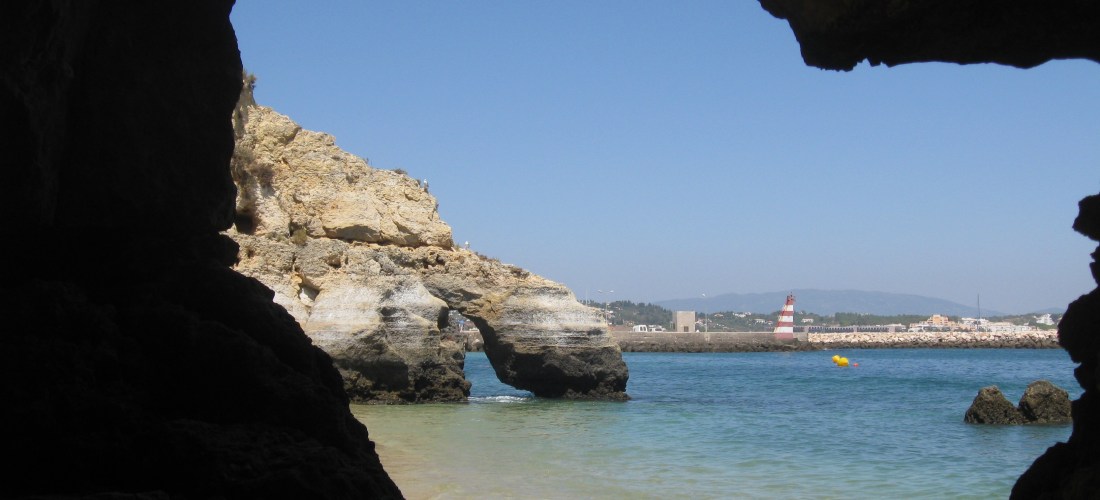
Last but not least, even in the surroundings of Lagos, one can find very particular beaches – among the numberless and funnily-shaped rocks. Beware that Barlavento: as the name indicates is the land for wind-loving people, but if you do, you won’t be disappointed by the natural diversity of this coastline.


All…garve pt.2: Sotavento

Travel

Following up on my post about Far Out Faro, I would love to focus on the Leeward (port. Sotavento) side of the Algarvian coast. This part of the region includes Faro itself, but also picturesque towns like Tavira, Loulé, Olhão or Vila Real do Santo António, bordering with Spain by the Guadiana river.

Leeward coast is particularly close to me, as during the time I lived in Faro, I was often visiting the neighbouring towns, as well as inland points of interest. Worth mentioning that I stayed for a couple of weeks in the village called Pechão on a volunteering service for the local communities, preparing the international part of the anual Festa. If you visit this region between spring-autumn, you will be amazed by the quantity of festas, local festivities, for different reasons: fishing season, cattle growing, and much more (and even more abstract – as there is always a good way to celebrate good times!). Many of these festivities are closely linked with the Catholic festivities (like name days of various Santos, patrons) but they incorporate a lot of ludic elements.

During my stay in Faro and Pechão, I was exposed to some very forward-thinking manifestos of the left wing activists, promoting well-being and equality on different levels. Worth mentioning that this part of Algarve is interesting for various, often borderline awkward reasons. The traditions of building bone chapels in small villages, the architecture showing years of different impact of various cultures and religions as well as food are very recommendable.

Moreover, Algarve is not only, as majority may think, the picturesque coast. Bordering with Alentejo you may find gems like Pego do Inferno, crystal clear waters waterfalls on the hilly trekking path. If you have time, I would recommend cycling around the region, as my Portugal-loving friend does it actually quite regularly!

Last but not least, you might consider taking a local ferry to several islands around Faro and Olhão where you can watch birds (including storks and flamingos!) and enjoy the remoteness. And, oh well, the sunsets… Or this dog, selling cigarettes in the local loja (port. grocery store).

If you are still not done with the beauty of the South of Portugal soon I will take you on the trip to the West side of the coast: Barlavento.

Along the western shores of Santiago

Travel

The shores of Santiago were the first to face the Portuguese colonisation in West Africa. This is why this one of the ten islands of Cabo Verdean archipelago boasts the title of the historically most relevant. Santiago has been ‘competing’ for ages with São Vicente island, given that the port in Mindelo received a lot of traffic and was an important place for encounter of many nationalities, for trade and on the way to more distant lands. Whereas the history of Santiago is often more related to searching of the cultural identity of Cabo Verde, and the rituals over there considered more connected to West Africa.

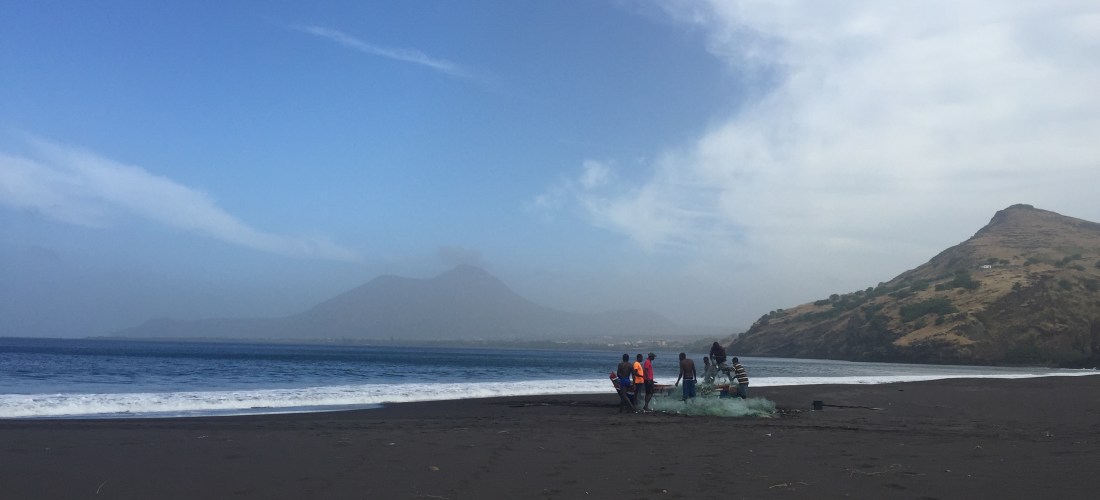
I had a chance to explore the shores that faced the colonisation, slave trade and trying to empower European, or Portuguese rules over this strategical island in the middle of the ocean back centuries ago. One of the most magical places is Ribeira Preta: a wide beach with the black, volcanic sand. To get there you need to hop on one of the colectivo trucks – forget about the safety, but don’t forget about admiring the mountain and ocean views on the winding, cobblestone road.

If you are lucky, you will notice the egg nests of the turtles, that picked this remote location for their reproductive purposes. It is now a protected area, as Cabo Verde is trying to preserve its ecological richness.

There are many fishermen villages on the way, such as Chão Bom, or Ribeira Preta itself, that are an ideal destination for the surfing and nature-seeking lovers.

Other than that, it is not too far away from the mountain side of Santiago Island, with a very interesting town of Assomada.

Last but not least, if you are in Praia, don’t miss visiting the UNESCO side of Cidade Velha (‘Old Town’) which was the first capital and port of Cabo Verde in the colonial times. You can find here the oldest road built in West Africa: the colourful Banana Street as well as Parochial Church and Cathedral.

I would like to end up the Cabo Verde saga with the memories that stay with me even after 3 months: the sound of the magnificent waves crushing on the remote shores, the smell of cachupa, the taste of wine and the sunsets over the neighbouring volcanic Fogo Island, the openness and hospitality of the locals, regardless of the poor conditions, and sound of crioulo – language, almost as gentle as the music that made its origin on this very special place on Earth. I hope to revisit these magic islands sooner or later, orbigadu e te logu, Cabo Verde!

Women Who Travel

Personal, Travel

This post is not dedicated to any particular journey I’ve made. This post is about women who travel: independently, in a creative and respectful way. Just the way they live their lives. They are no abstract protagonists, they are represented by women I know in my family (starting from my awesome Mother), my friends and colleagues, and finally: myself. However, the happenings from last week in Ecuador proved how fragile our freedom for travel is. I want to dedicate my own personal Women’s Day tribute for the memory of all the female travellers who lost their lives because of sexism, misogyny and fundamentalism.

There is so much anger in me, although initially there was simply immense sadness when I heard about the unbelievably brutal and pointless murder of two Argentinean women travelling in Ecuador. Sadness gave way to anger when I analysed the language of the press coverage: initially putting the blame on the travellers to be behave reckless, inappropriate, and visiting the dangerous places. Calling out to parents, why the hell they let them travel alone. In 2016, really?!

This could be me. I travelled alone (not even with the other friend!) thousands of miles in my life, simply because I like discovering things at my own pace. Other times, I travelled ‘only’ with my Mother, or my female friend(s), and I met so many great, like-minded women on my way! I always try to inform myself about the place I’m travelling to, the customs and things to take into consideration, and I never seek out the dangers for the sake of adrenaline rush. Still, I was mugged only once, the luggage that got lost, got back to me through the seven mountains and jungle, and I never had problems with unwanted sexual attention, as I knew how to handle such situations within clean communication and in a respectful way, if needed.

Still, I have to consider myself luck, as this shit is still happening, at a very creepy scale. Unnamed authorities calling us to cover our bodies, be accompanied by men or family or stay at home at night, as if we were an object to carry. I am very frightened to see this conservative trend taking over in many countries around the world and I want to voice my scream against the freedom of women around the world, the explorers, the curious, the mindful and the half of this beautiful world!

Don’t let us scare off, close at home, force into relationships for the only sake of protection (disclaimer: I don’t have anything against the great couples, I’m just putting a broader context!) which ultimately leads into manipulating us more easily. At no other times women had a better financial situation and travelling was considered easier than nowadays, in general. I would like to embrace all my experiences that made me a person that I am now: open for changes, diversity and uncertainty in life, able to risk and step out of my comfort zone to deep dive into something new. And I would like to thank to all the amazing people I met on my way that acknowledged the fact I love travelling alone, and making it an unforgettable story of its own.

RIP Maria José and Marina.

Poeira de Deus

Travel

My journey to Cabo Verde is not over. After having visited the islands Santiago and Fogo, I started researching about the whole archipelago more and more and it seems that the journey through the available material is endless. Each island represents a very unique history, culture and even more often: a dialect.

So during the cold evenings in Berlin, drinking the flowery moscatel and refreshing white wine from the volcanic soil of Fogo I managed to find a documentary about the Rebelados – a community that inhabits the mountain ranges of Serra da Malagueta, and refuses the catholic religion, that was historically imposed on Cabo Verde by the Portuguese colonisation that lasted until 1974. I find it particularly interesting to see the beautiful mountain landscapes and fascinating celebrations, such as batuque.

I have spent one day hiking around the Serra Malagueta range, and nearby towns such as Assomada and São Domingos, that are the centre of communication to/from Praia and Tarrafal. Also, they offer a bustling marketplaces with food, clothing and what-not. Having in mind that Cabo Verde is a remote archipelago with the majority of its population living abroad, and scarce possibilities for agriculture, many of the goods taken for granted in the Western societies, here are often a basic need to be fulfilled (such as food, or even water).

In some places rain has not appear in years. Even though Santiago is considered the island with the most tropical climate (and hence: cases of dengue, malaria and ultimately – zika are rare, but contrary to other islands of archipelago, may happen due to the presence of the mosquitos).

The magnificent views, however, and the hospitality (morabeza  – the word originating in Portuguese creole) can make up for the certain hostility of the climate on these remote islands. There is a beautiful story to it called ‘God’s powder’ (Poeira de Deus): on the 8th day after creating and sculpting the world, God threw the rest of the powder into the ocean, creating 10 islands of Cabo Verde. Believe or not, I think there is some truth in it.


Tarrafal, o paraíso remoto

Travel

After my first two days in Praia, I followed up with a short trip to the neighbouring island of Fogo (port. fire) and Cidade Velha, the first colonial settlement in West Africa, but the real treat was only waiting for me on the other side of the Santiago Island.

We boarded North on the Christmas Eve, hoping to get to the other tip of the island before the dusk – not only because we wanted to have a traditional feast, but to safely cross the picturesque, yet dangerous Serra Malagueta mountain range. Dangerous if you drive in the pick up together with some other, 20 people inside (and a duck, in this particular case).

So we made it to Tarrafal, a town on the Northwestern tip of the island, the destination for the hippie families, laid-back wanderers who love watching the sunsets (if the weather conditions are great, you get to see the sun setting over the Fogo volcano – I didn’t take my camera when it happened, oh well), drinking coconut water, or surfing. There are three beaches in the bay of Tarrafal, and all of them offering white sand: a rarity on this island.

Tarrafal is also a very popular holiday destination for the Cape Verdeans – there were many families, often travelling all the way from France (where the biggest diaspora of Cape Verde is currently based) that were spending time until the festivities of Santo Amaro (happening on 15th January).

Having spent over 5 days in Tarrafal, I got accustomed to the local community: having visited both the church, as the local festivities (in the cultural centre with the Anonymous logo :)) of batucadeiras and eating out in the local bars and restaurants and celebrating in the Mercado Central. Contrary to Praia, here the time passed slowly, peacefully in the shadow of the funny Monte Gordo (eng. Fat Mountain) and I reflected back on it, talking to the fishermen, surfers, or homeless dogs on the beach and simply enjoying to learn about life in this little, remote paradise on Earth.


Branco e azul – impressions from Tel-Aviv

Travel

White city – or the city of light is the name we often hear when speaking about Lisbon. This time, however, I would like to travel back to the Middle East, to Tel-Aviv I visited just a week ago. Apart from the colours, the link between Lusofonetica and Tel-Aviv is not so obvious, but given the cosmopolitan nature of this city, I have heard Portuguese not once on the streets, as well as all sort of other languages.

IMG_3963 IMG_4053

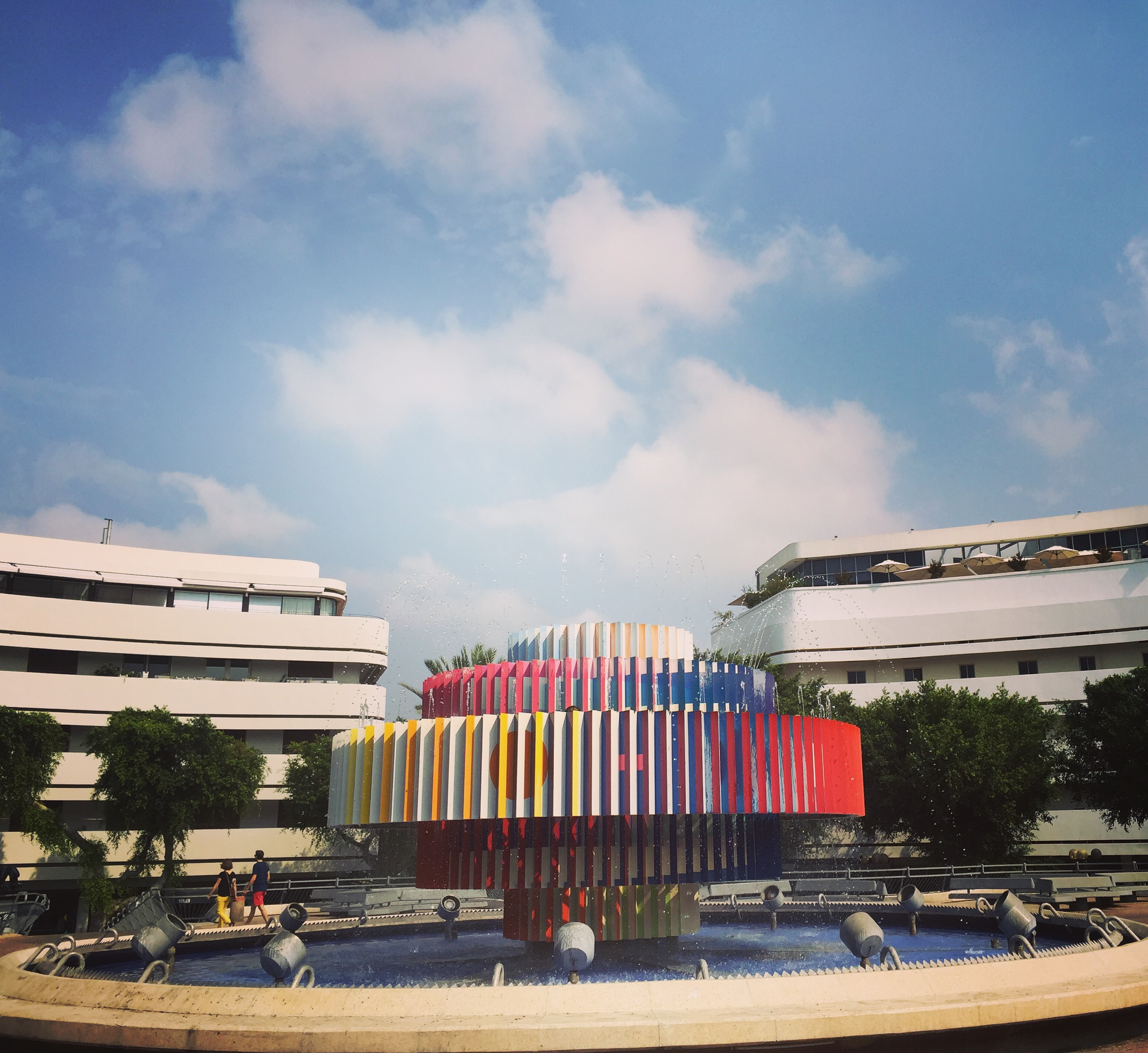
Tel-Aviv combines the flair of the Mediterranean cities like Barcelona (or better: Malaga), with the European influences. Established at the beginning of 20th century, Tel-Aviv was influenced greatly by the Bauhaus architects that fled from the Nazist wave. Hence the emblematic style is set in white, matching greatly the blue sky.

Opera House of Tel-Aviv Neve Tzedek neighbouhood

As my local friend put it, there is no checklist of places to see or things to do in Tel-Aviv. I was very happy to hear it, as I love just to wander around, sneak into bars, cafes, talk with the people and live the moment in the new places instead of rushing to tick the boxes on the sightseeing list.

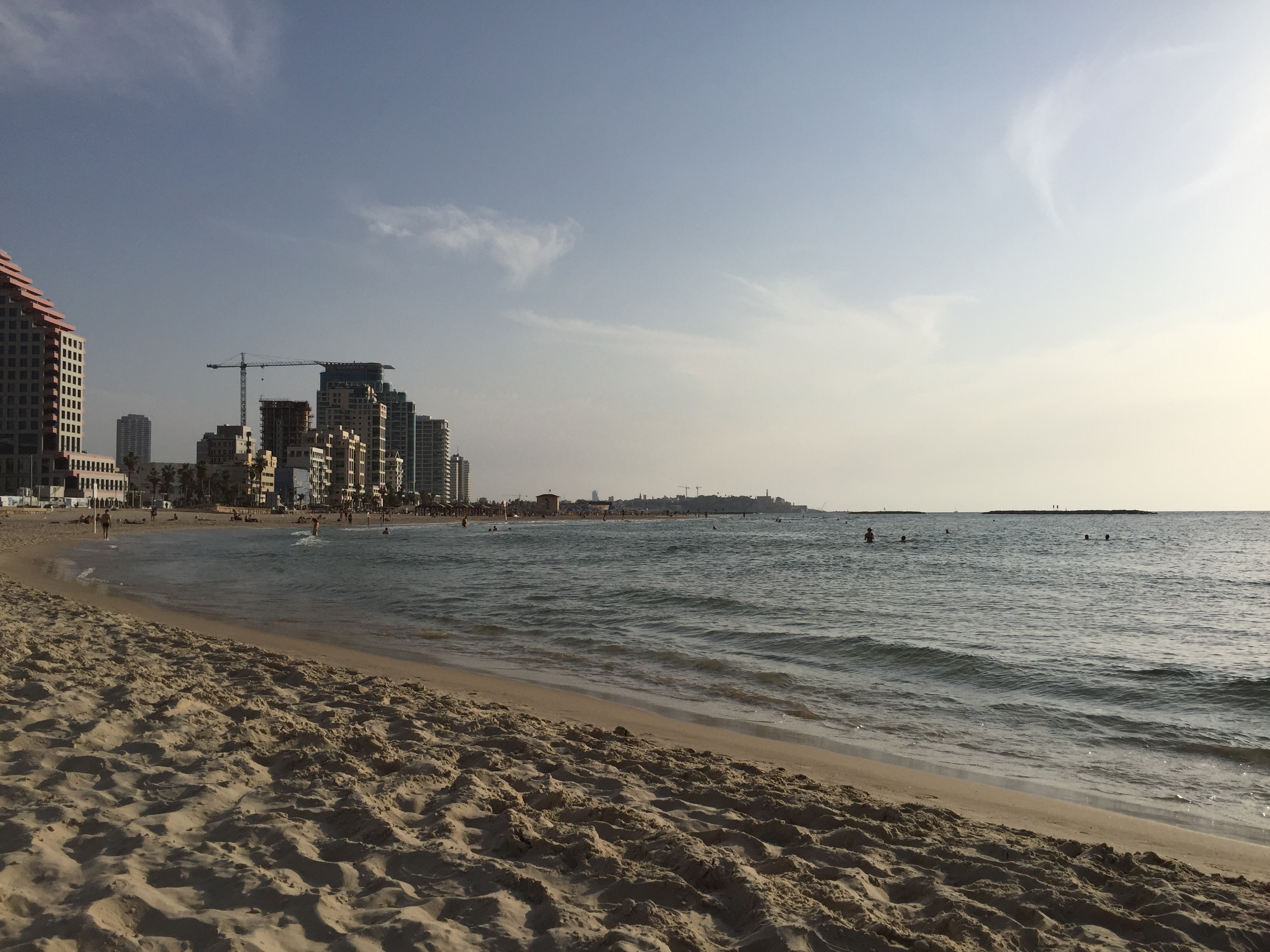
Hotel Cinema - great Bauhaus example Tel-Aviv-Yafo beach

And there is probably no better place to experience the long days and nights than Tel-Aviv. Truth is, I did not choose the safest moment to visit this place on Earth, but in the end I felt pretty safe. Even though one could literally breathe the tension which lives within the society.

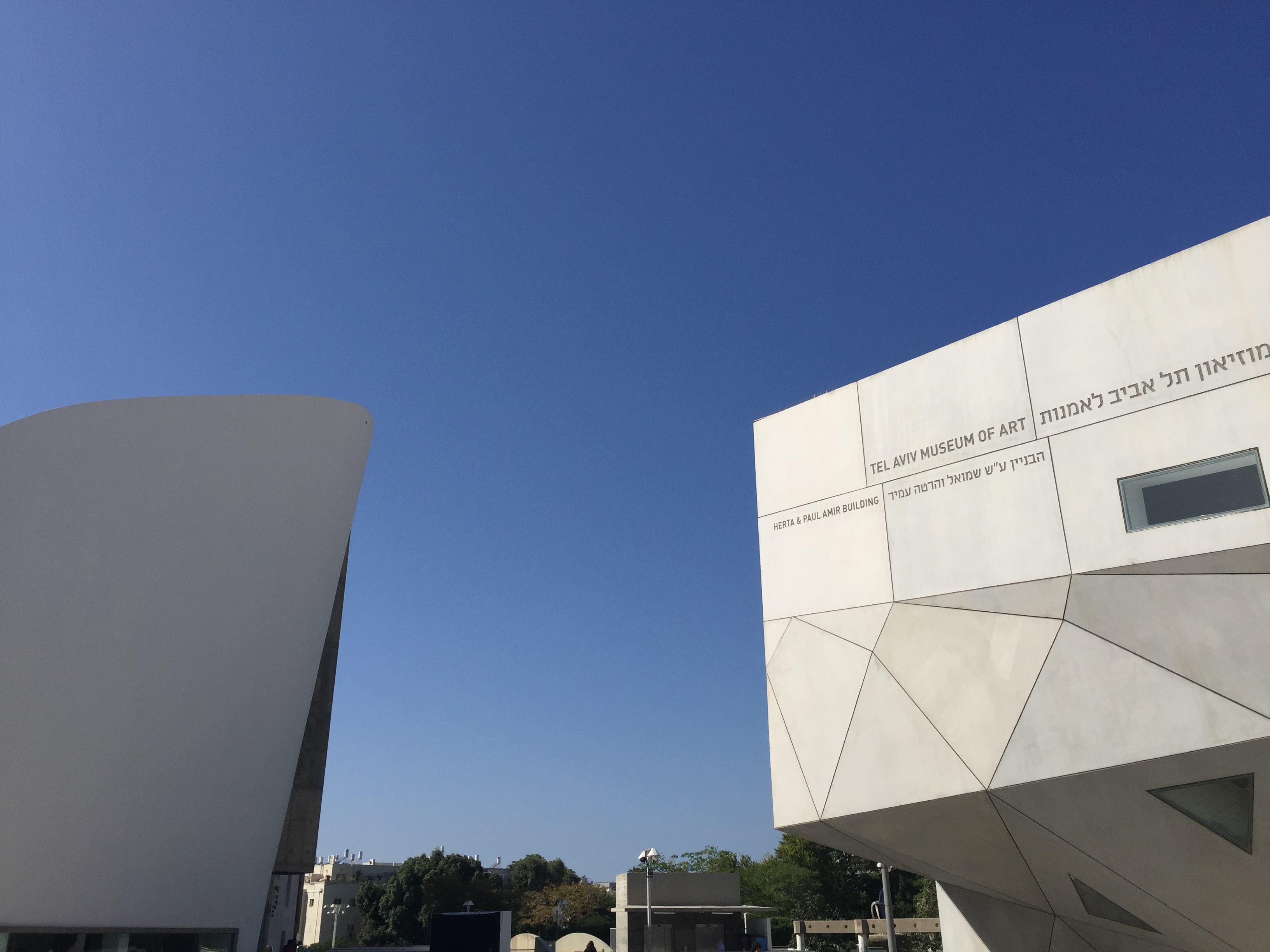
Tel-Aviv Opera Tel-Aviv centre... one of the numberless cafes

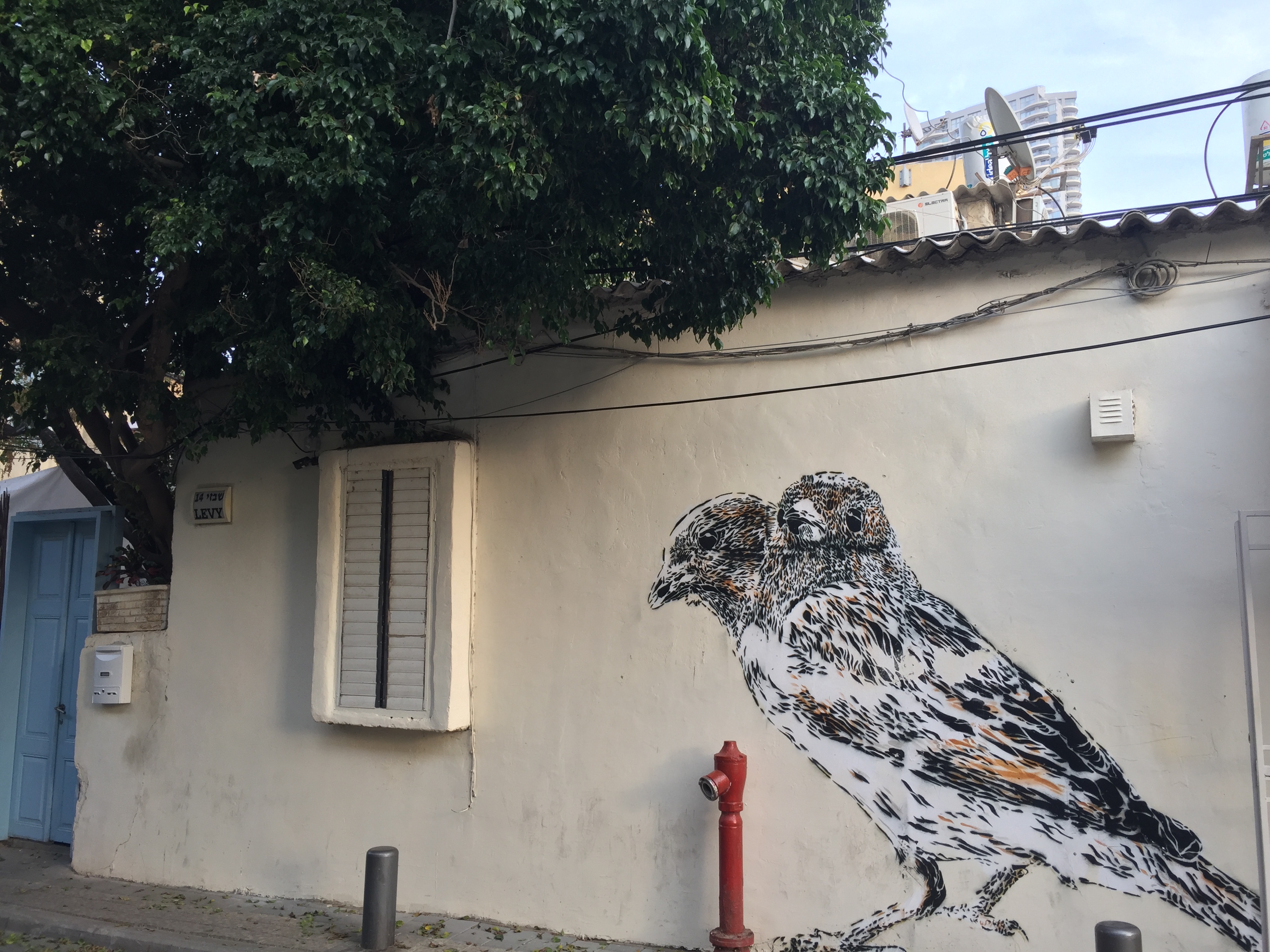
If tomorrow is uncertain, then why not simply enjoy the moment – I have heard about this mindset long before I came to Tel-Aviv, but living it on my own was a totally different thing. Strangers becoming this proverbial friends-of-a-lifetime, appearing in half-private parties just because you hear some great jazz music, eating out breakfast after sunset, finding urban art treasures on the least expected corners, or bathing in the warm sea, even though you can clearly hear the F-16 flying above your head.

Habima Square - conference centre Colourful fountain and Bauhaus buildings - the essence of Tel-Aviv

The mix of the exotic, and the cosmopolitan – the tiny bubble of Tel-Aviv has it all within a walking distance – makes this place very special. I was there very shortly, but I know I want to come back, and experience more with a bit less naive sight.

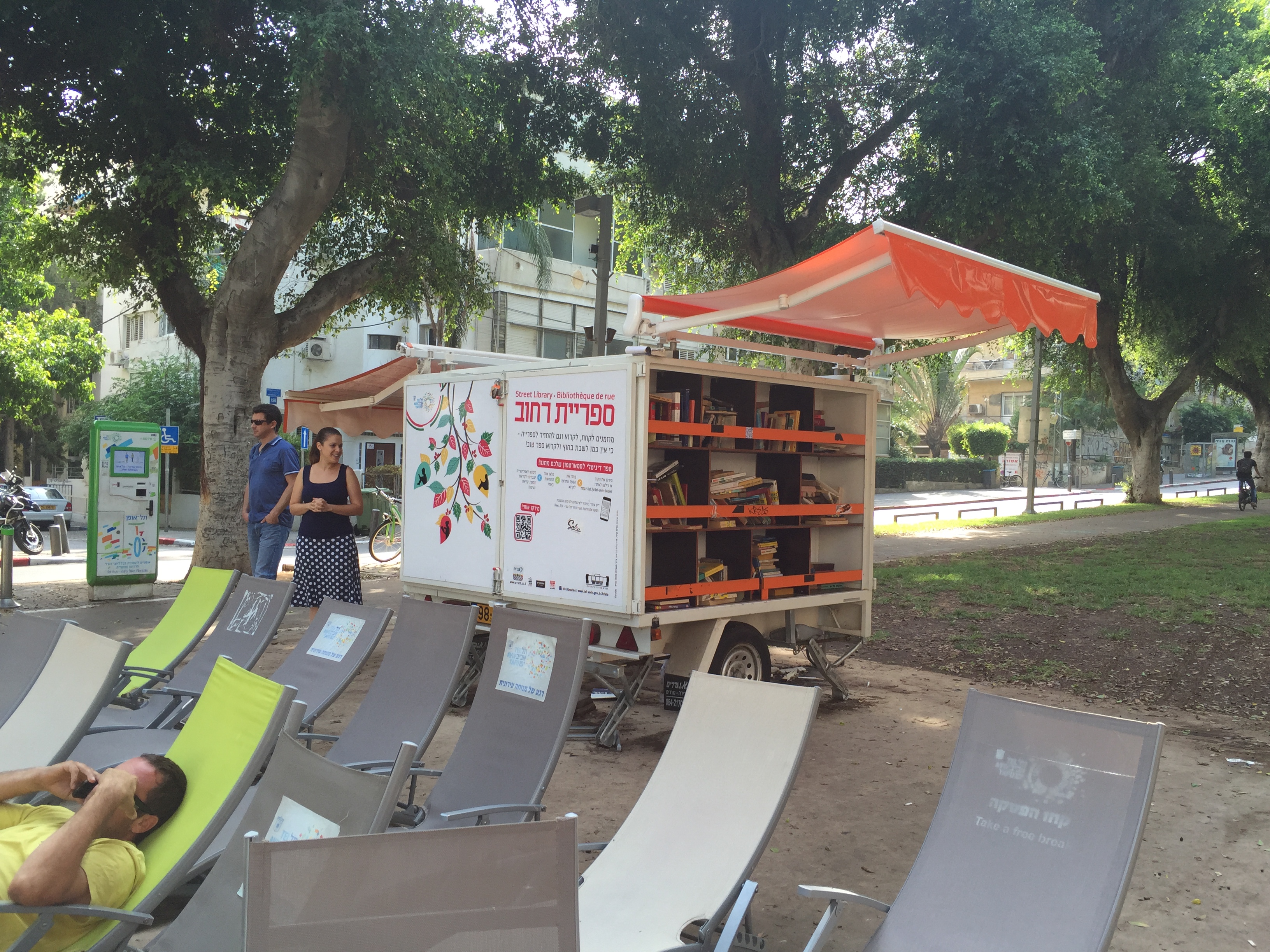
Habima Square Mobile Library  Neve Tzedek neighbourhood Neve Tzedek neighbourhood

Funnily enough, despite the sunshine weather, Tel-Aviv reminded me greatly of Berlin in some places, not only for Bauhaus influence, but also for the dramatic setting, laidback attitude, and last but not least: hipsters! So even though I was far away, on my own, I felt so much at home… Just like in this Karaoke Kalk records’ song, my lifetime nomad anthem.

Chasing waterfalls

Travel

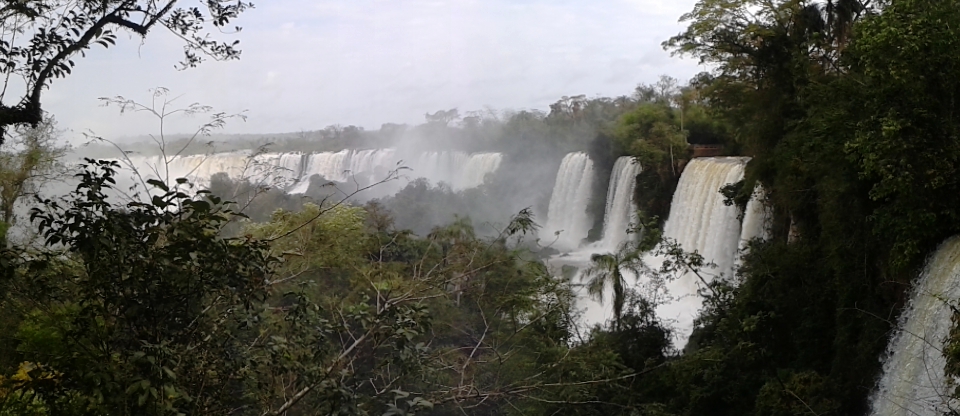
The first time I heard about Iguazu was neither in my geography class or by reading a travel magazine. My first memory of seeing enchanting scene shot on the Argentinian side of the Iguazu Falls, was in Wong Kar Wai’s legendary movie “Happy Together”. So my dream started, like it happens sometimes, because of the powerful art:

I finally visited Iguazu Falls in September 2013, as a part of my trip around Southern Brazil, Uruguay, Argentina and Paraguay.

20130929_150025 20130928_145055

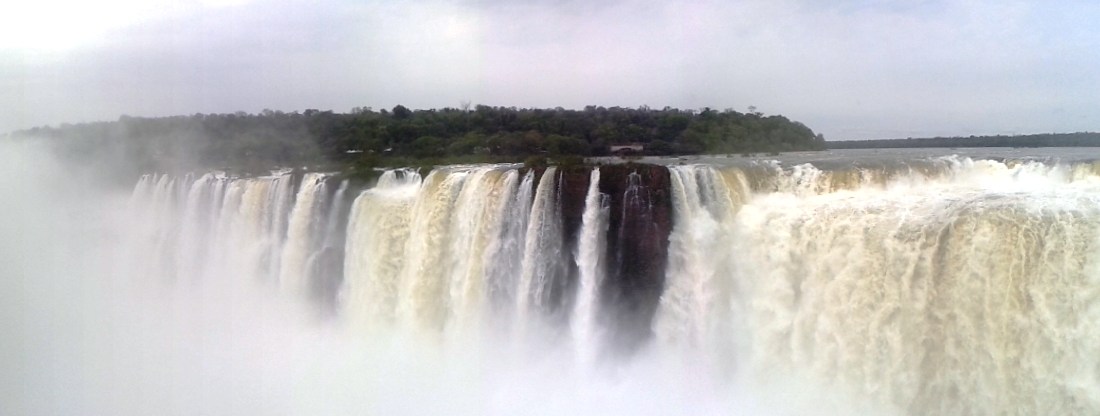
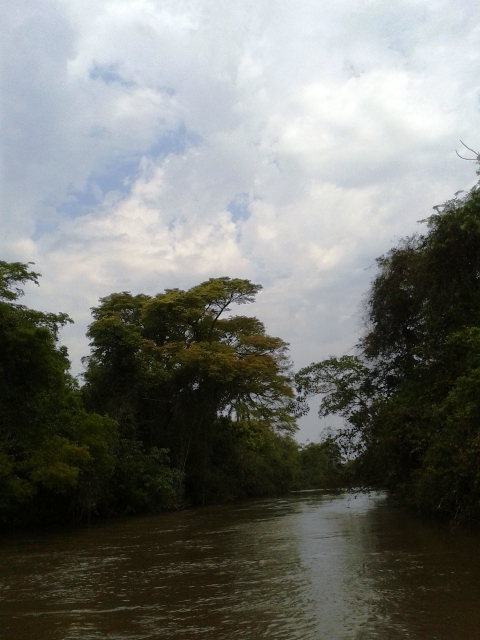
This magic land, striped between three countries separated by the natural border of the Parana river, is indeed a must-see for the nature-loving souls.

iguazu 20130928_142934 20130929_141809

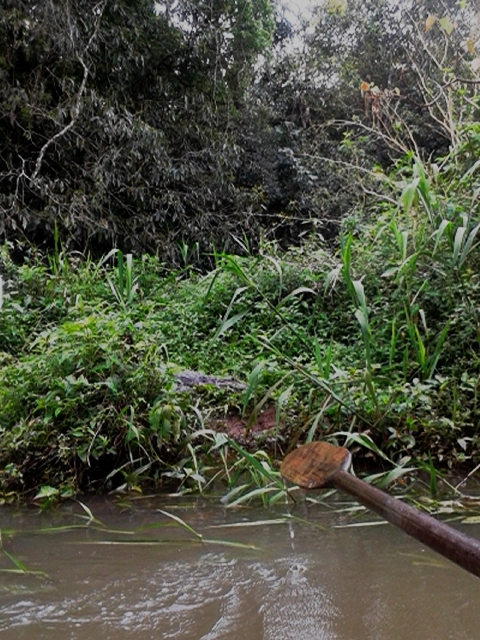
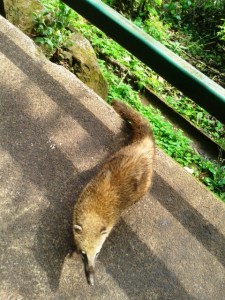
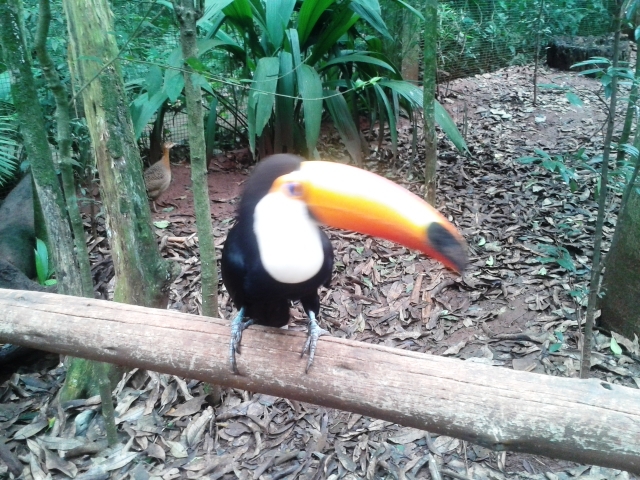
While hiking, or swimming down the river one can notice a plenty of wild animals such as aligators, tucanos, araras and – last but not least: coatis. These cute-looking four-legged coons can be seen almost everywhere, and they are not scared of people at all (contrary to beautiful tucanos which have learnt not the best side of the humanity…). But watch out, they will not only beg you for food, they will simply steal it from you!

20130929_132515 20130929_124325 20130929_123222 20130929_121806

I chose to stay on the Argentinean side simply because it offered more hotel opportunities, but visiting the neighbouring countries is not an issue. However, it is considered quite a dangerous border due to high volume of smugglers. They say that Ciudad del Este in Paraguay has a fame for being quite dodgy, but I would just say that it was the least interesting part of the journey. When on the Brazilian side though, I would say that visiting the Birds Park is a must: there are some wonderful species living under protection and yet not afraid of people. All of the above-listed pictures of araras and tucanos were taken there!

20130929_144741 20130929_141320

Both sides offer spectacular views and wet experiences, but I would say that the Argentinian is better-suited for the hike, and Brazilian one: for photo-taking. It is also about broadening your perspective while chasing the waterfalls: either looking over the Garganta del Diablo from the highest highs in Argenting, or experiencing it’s powerful stream in Brazil. Or sticking to the river, following the ‘Waterfalls’ song’s logic: while in Paraguay.

Uruguay: Paz e Tranquilidade no Cabo Polonio

Personal, Travel

Two years ago I was on the road in the Southern Brazil. This was when, by default, I decided to visit some parts of Uruguay and Argentina. I always wanted to visit the ‘Southern Cone’ as they call the region of the southernmost countries of America, given the magical realism literature I was into, people I met in Barcelona coming from there and simply: curiosity to discover the most distant and remote places of this continent. This post gathers some memories full of sun, ocean breeze and laughter of a few days I spent with my friend Jimena in the Eastern Uruguay.

20131002_161309 ?????????????

I met Jimena years ago in Barcelona and she was one of these people I instantly felt that I can get along with easily, so I was very sad when I learnt she was leaving town. I promised her the visit in her home country Uruguay though and – sooner than expected: I kept it. I was lucky enough to visit Jimena in a very remote, and charming location some 300 km east from Montevideo: Paloma, near Cabo Polonio.

????????????? ?????????????

Cabo Polonio is a peninsula where the colourful, wooden architecture is preserved, and you can’t get there by the land road, only via natural park and beach, where access is limited. People live there in peaceful surrounding of the Atlantic Ocean, endless remote beaches famous for spotting whales passing by this latitude regularly. In the wintertime sea lions and seals are also quite often seen guests.

20131003_113138

I would like to dedicate this post to Jimena thanks to whom I could live the perfect ‘local authentic’ experience of a few days so close to the nature, living in a settlement which looked like a moon valley (see above), eat delicious fresh & sea food, and most importantly share precious moments together. As Jimena loves Portuguese much as I do, I’ll only say: muito obrigada, amiga!