Toulouse – the ingredients of the liveable city

Personal, Travel

It’s a very long overdue post, as I’ve drafted it a year ago. It was a very challenging summer last year and I never managed to complete the initial thoughts and impressions after my trip to Toulouse. I re-took the writing as so many happenings remind me of that time of the year and I somehow manage to reconnect with the experience I made.

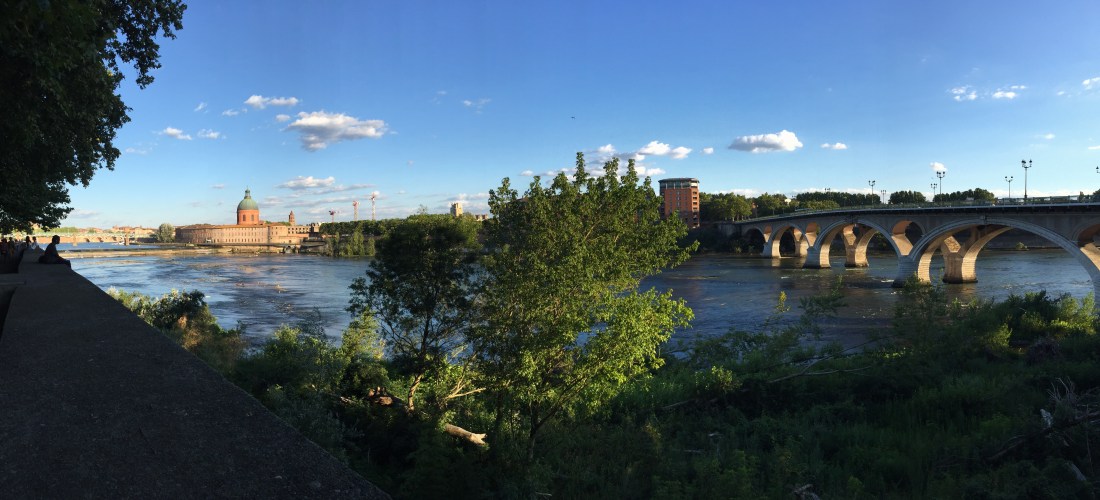
First of all, it was early in July and Europe was already experiencing an extreme heatwave, similarly as this year. I was dreading how hot will it be in South of France, with no access to the seaside, and I was pleasantly surprised. Toulouse is incredibly green which lowers the perceived temperature by good couple of degrees. Despite reaching 38-40 degrees Celcius, the city was perfectly walkable and discoverable by foot.

It’s been years since I went to France for the last time, and the last gem I visited was Bordeaux. Surely, the highlights of staying in France is the haute cuisine and not even, the markets, daily stuff you consume (such as: croissants!) is just of such a great quality.

Toulouse is also a very diverse city, inhabited by students, creatives and digital nomads, namely for more pleasant climate and affordability which can be noticed by a vibrant street life, people hanging out in the parks, dancing tango or playing games.

In July happens plenty of summer open air festivals by the river bank where multiple performers played jazz, soul and classical music till late, and you could enjoy the sounds of it overlooking the sunset, and even spotting birds like night herons wading in the river.

The heatwave itself was bearable, taking into consideration the shade, the options to explore different experiences, and even get away relatively easy to the seaside easily with SNCF. Another great experience of Toulouse is to visit the Airbus museum and even without doing so, spotting the magnificent piece of design as is Beluga or Beluga XXL approaching take off or landing. The meta story of it is that it often carries the industrial pieces needed to build the new planes.

With all that, I remind myself of my last year experiences, that heatwaves have also so many psychological effects on you. I think about it right now, going through yet another wave this year, often locking myself for days inside to avoid sunstroke (and I am lucky to have shelter and A/C). While summer has been one of my favourite seasons for its energy, happenings and being outside, heatwaves take such a toll on our lives, that staying in is one of the best possible ideas. And as we’re not as far away from the pandemic experiences, this calls too close home, pun intended.
(He)Art Basel

Music, Personal, Travel

This month I visited Basel thanks to my dear friend’s invite. We connected a while ago in our professional circles and been talking about change management, life and spotted we vibe life at a similar frequency. We also both love jamón serrano, writing, dogs, among other things.

I’ve been to Switzerland several times before, but never to Basel, knowing mostly it is a cultural hub, especially around June, where Art Basel festival takes place. So I decided to experience Basel fully, and organized a trip around the festival’s dates.

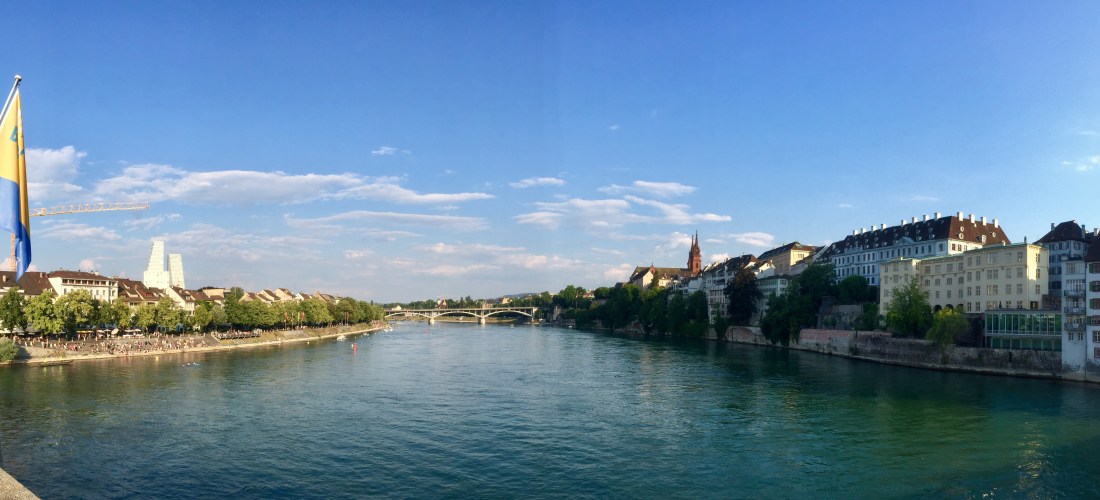
I found nature, culture, vibrant and young city life, strong electronic music culture, interesting pop ups, contrasts of the brutalist and modern architecture of Klein Basel and the medieval, classical Gross Basel.

Since I travelled in June, the days were incredibly long, the sunsets were coloured with all possible shades of pastels – being an art masterpiece itself.

What I enjoyed the most was the relaxing vibe around the Rhein river, happening in parallel to the festival, where Basel people would take their inflammable fish-backpacks aka Wickelfisch and simply throw themselves with the crystalline waters and float until they reach French or German border!

Yes, water in Rhein is so clean one can safely enjoy the summer in the city centre. The location at the border of France and Germany makes Basel truly a meeting point, and is sort of absurd you can end up ‘abroad’ simply taking a stroll or a tram ride a few stops away. A famous techno club Nordstern is located exactly at the peninsula where all the borders meet.

The heatwave was so bearable also because of the presence of multiple parks, fountains where both humans, dogs and birds took refreshing baths. All such activities permitted.

The cathedral, situated in Gross Basel at this time of the year was a central place for Parcours – various art happenings and installations, a free part of Art Basel festival. The cathedral itself is so inspirational with its Hogvart-like courtyard and facade.

My friend took me to her fave marketplaces, bookstores, designer stores, and cafes – a perfect plan on a Saturday morning. We spontaneously bought some flowers, Swiss design as in watches, dresses and tiny gifts for my friends and family.

In the afternoon, we mostly hang around the river, joining Swiss style – pardon my Spanishness here, but actually the Latin community was mostly driving these activities – chiringuitos (beach bars), asados (grill) and pop up DJ sets.

What about Art Basel? I feel like it pictures the city and the world of art in a contained universe of Messe. The building of the Messe is a masterpiece itself, a huge ‘eye to the universe’, and walking around the exhibitions of Unlimited, Galleries and Design Miami one could easily spend days.

I stumbled upon the pieces known and unknown, and I ‘like the art’ although I am far from being an art buff. I noted some of the most moving pieces, so that one can have a look and analyse it for themselves. Not in particular order nor always correspondent to the pictures, which is a part of the game.

Brigitte Kovanz – Light Steps (1990), Francois Morechet & Tadashi Kawamata – Pier and Ocean (2014), Selma Selman – Painting on Metal – Mercedes Benz (2023), Jorge Mendez Blake – Dismantled Wasteland (2023).

Christian Merclay – Doors (2022), Annette Messager – Le crabe cancer (2016), Anish Kapoor – Random triangle mirror (2018), Firelei Baez – A taxonomy for tenderness (2023).

Bruce Nauman – Two leaping foxes (2018),Robin Kid – Kingdom of Ends – I (2023), Mario Merz – Bisonti (1992).

The Picassos, Warhols, Kandindskys, Lichtensteins, and Schieles were for sale, too – and it was interesting to see the prices. Though can’t afford them, if someone does, and likes art, maybe diversifying is a good idea in the vibecession times.

Following inspirations: George Condo – Untitled (2001), Auguste Herbin – Vendredi (1951), Max Ernst – Foret (1927).

Conny Maier – The Source (2023), Bronwyn Katz – /xabi (2021), Radcliffe Bailey – Upwards (2018), Augustas Serapinas – Gym (2023), Christine Streuli – Right in your face (2023), He Xienguy – Inherited wounds (2023), Jesus Rafael Soto – Esfera Amarilla (1984).

Ed Ruscha – You and Your Neighbours (1987) – probably my fave painting by now, Jean-Michel Basquiat – Onion Gum (1983), Antoni Tapies – Aixeta (2003).

At the end of the Untitled exhibition everyone could participate in the Scrabble game, answering with limited amount of letters “What makes you creative?”. I added a few from my end – guess which ones.

I could go on and on reciting on my favourite art works, such as: Monica Bonvicini – Never Again (2005), Giuseppe Penone – Spine d’acacia – Contatto, aprile (2006), Yu Hong – The ship of fools (2021), Ron Terada – TL;DR (2020) but I’d rather stop. Half-day through Art Basel I got so overstimulated by the works, I needed to nap – and I was surprised to see some fellow visitors napping in specifically designated areas. Dreaming of colours, shapes and thoughts they carry in the eyes of the spectator.

Melilla – a story with a shared narrative

Travel

After visiting Ceuta in December, I was curious to visit the North African city which currently belongs to Spain, and has a rich history of crossing various cultures and influences: Melilla, or Rusadir, as it used to be called since the Phoenician times.

Malaga has a special connection to Melilla (pun intended): the infamous ferry which often leaves a tsunami-like wave is known as ‘El Melillero’. I always wanted to take it, but eventually, I decided to fly there with Iberia’s regional connection, for 0 EUR, thanks to the accumulated mileage from OneWorld I was reminded to use up before mid-April.

Springtime is a great time to visit this part of the world, not only because of a very pleasant, breezy weather, but also because of the natural world waking up and blossoming. I haven’t taken as many bird pics as during my recent sea crossings, but I was still very glad to spot kestrels, seagulls and starlings. Also in NSFW situations. Birdwatching in the springtime might get you in such situations.

My first impression after leaving the airport was that the city is somewhat desolate. The migratory crisis, the tensions at the Spanish – Moroccan border, as well as the complex history of this place made me think about post-colonialism, and all the consequences while being there.

I needed the disconnection, being alone and travel to the other continent, even if only 200 km away from where I live, which is mind-blowing, thinking about how close Malaga is to the African continent. Secluded Melilla was a great choice, at the same time leaving me enough space to discover its historic, natural and architectural peculiarities during the two days I stayed there.

Throughout the centuries, Melilla witnessed the influence of different cultures, and religions, which is visible almost at every step you take, especially in the old town part, called Melilla La Vieja.

I took the liberty to wander around the narrow streets freely, and peeking into different museums. I was particularly impressed by the ethnographic and archaeological one, covering the history of Melilla and its sefardi, amazigh, berber and gypsy cultural influences.

The modern art museum, situated in the Casa del Reloj offers a great contemporary exhibition of local artists and I was especially interested in the works of Cosme Ibáñez Nogueron, who comes from Melilla and gained an international exposure thanks to his interestingly obscure paintings.

Although Melilla shines brightly with its sunny light and crystalline waters, there is undoubtedly dark and complicated history to discover. Currently, it seems to integrate the experiences of ecumenism, diversity and cultural richness and I was blessed with the hospitality of almost everyone I met on my way.

Another highlight of Melilla is its Ensanche district, or ‘The Golden Triangle’ of the modernism architecture. The major creator, Enrique Nieto, a student of Antonio Gaudi, designed both the synagogue, the mosque and the churches, alongside with some impressive buildings full of flowery, Art Nouveau façades.

Next to the Golden Triangle, one can rest in the Parque Hernandez which offers shade and relief from the scorching sun in the day. Naturally, Melilla lives by night and there are fantastic bars and restaurants with the local Rif cuisine to try out.

The diversity is visible not only in the architecture, but also with small gestures, like a bench dedicated to trans visibility which means a lot in a place like this.

All in all, I managed to see a lot during these two days and it was a very complete experience. Before heading off to the airport, I spent an afternoon in the heavenly Aguadu beach, just next to the Moroccan border. I decided to see the infamous border wall, and witness the contrast with the beauty of nature just next to it. Returning to mainland Spain I was thinking a lot about the privilege I have to enjoy the delights of this remote city, when thousands of migrants simply can’t.

Happy New Bird

Personal, Travel

December was a month full of highlights: despite 2021 being another year in pandemic, we made it through and made the most out of it, focusing on discovering the local gems of Andalucia and learning more about the cultural and biodiversity richness of place we live in.

This month we had a few visitors, including friends and family, which was great but equally intense, so we took a few days in between to be alone, in the brand new place for us: Jerez de la Frontera, and Trebujena marshlands. We set the direction to a picturesque road passing through Teba, Campillos, Olvera and Algodonales where we could spot lagoons perfect for flamingos as well as the mountain ranges known for the griffon vultures presence.

In 2,5 hours of slow drive through the sunny landscape of Andalucía we reached our destination. Even before, I heard great things about Jerez for being a true capital for sherry wine and lively tavernas locally called trabancos. A very first bird metaphor was used for tapas on our very first visit: as each tapa arrives with un gorrion (common sparrow), a shot of a locally distilled sherry. The city itself is best to experience through walking, and stopping by randomly at those places, or entering one of the wine bodegas today often converted into great restaurants, like La Carbona. 

Jerez is famous for its Royal School of Equestrian Arts as well as the Cathedral which was very nicely decorated a weekend before the Christmas. After spending a day in Jerez and sobering well after those tasty ‘sparrows’, we changed the scenery to join our first Andalucia Bird Society field meeting in Bonanza.

Bonanza is a part of an equally interesting sherry town of Sanlúcar de Barrameda (we haven’t discovered yet), located at the mouth of Guadalquivir river entering the Atlantic Ocean, and opposite to the Doñana National Park. What strike at the very beginning are the huge ‘icebergs’ of salt, Salinas de Santa Teresa, abundant in that area and strategic material since the ancient times. Very close to it, we stopped by Laguna del Tarelo where the very first sightings were confirmed of the wintering and residing species of wading birds.

Thanks to our guide of the day, Juan Martin Bermudez we could see a daytime sleep of the Night Herons (who are foraging at night and have some interesting courtship behaviour of gifting a female with a green branch), as well as the appearance of a very rare, endangered species of the Marbled Teal (currently <55K species worldwide).

White-headed Ducks (coloured as the name mentions), Coot, Little Grebe, Grey Herons among other wading birds were seen on the water, while the Osprey and Red Kite appeared higher up the sky. We were very grateful to the fellow members for pointing us to the interesting sightings thanks to their scopes, which we hadn’t had at this point.

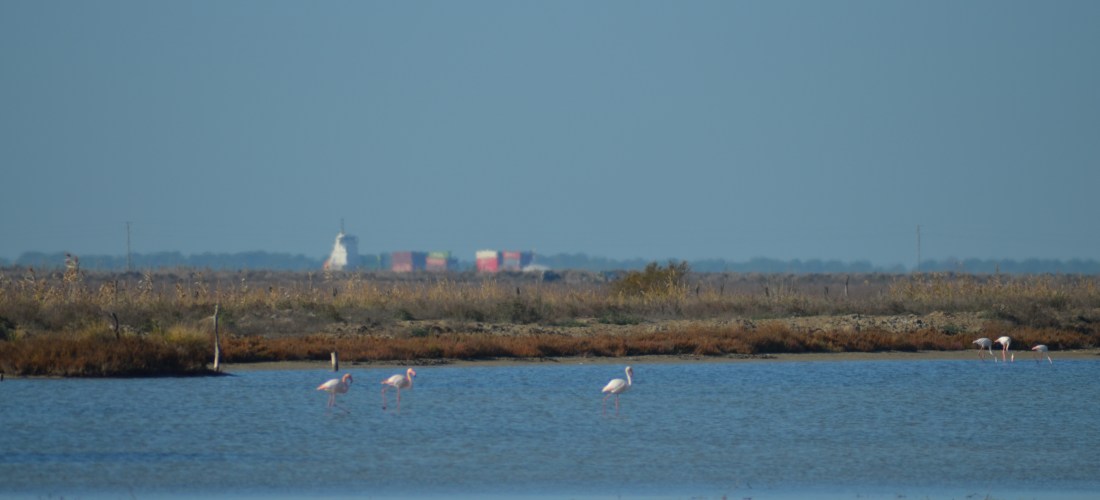
Passing through the vast marshlands of Trebujena, we made the next stop at the Esteros de Guadalquivir which offered us a great hide and sightings of Greater Flamingos, Black Redstart, Little Egret, Black-winged Stilt, Redshank, variety of Plovers, Pied Avocet, White Storks, Slender-billed Gulls and Caspian Tern. Up the river, we also so large vessels heading all the way to Seville, and, at a closer sight, we managed to see a Velvet and Common Scoter, occasionally passing through Andalucia during wintertime.

This great birding experience, combined with a jolly pre-Christmas atmosphere among the ABS members made us think that Santa should really get us a scope this year to continue our fantastic field discoveries. Upon our arrival from this trip, we wrote a special letter and few days later, probably thanks to the express postal services of the local Collared Doves, we got it!

Our first local birding trip got us to Guadalhorce on a New Year’s Day to celebrate the 2022 arrival, hoping for the better to this world of humans and animalia, and gave us a delightful day of observing both Greater and Lesser Flamingos, Grey Herons hunting for the moles, gregarious Stilts, and the best of all: another time a Velvet Scoter!

To top it up, one of the fellow birders pointed us to the unforgettable scene of the Osprey-gourmand eating up his fish on the outpost. Apparently this particular Osprey returns since 16 years already to Malaga for the wintering season from Germany. Learning about it, it felt very emotional to be a witness of all the birds, and more what’s happening around us all the time. What a way to start a year and wish that everyone finds their own Happy New Bird! Believe me, witnessing the nature’s beauty and collecting sightings is much more precious than any NFT collection out there.

Cold Brew and other gems from the Little Silver Cup

Personal, Travel


January and July mark mid-year celebrations for me and my partner. Since years we keep on surprising each other with different locations or venues we visit to celebrate. This year’s July surprise was visiting Cadiz, or Little Silver Cup, given the city’s shape, light and location between the majestic Atlantic Ocean and Bahia de Cadiz.

When we arrived to the city, we literally felt as if we fell into the hot, humid broth to describe the temperature best, so for the rest of the day we stayed at the water side, not able to wander around too long around the historic city center. We enjoyed a peaceful walk as there were not too many fellow visitors despite the high season, so we managed to inhale the relaxed city vibe, its charming parks and its magnificent Cathedral. When breaking free, we don’t like forcing on ourselves too rigid plans or timelines – the magic happens when you accidentally discover something unusual. This entry is about the gems hidden beyond the first sight.

And so it happened. The next day, awaiting the boat to take us to the fascinating town Puerto Santa Maria, and wanting to cope with the humid weather, we ordered a refreshing Cold Brew at the Top Coffee Shop, ran by some very interesting baristas. We even bought the book by one of them, Yolanda Mariscal with a promising, Almodovaresque title Pide Un Deseo in order to practice our Spanish, and experience a good lesbian novel intrigue. Both challenges unlocked! 

When we arrived to Puerto Santa Maria, we were contrasted with a never-ending yacht marina (Cadiz Bay is a popular cross-Atlantic departure/arrival spot) and derelict port buildings. Passing around the quiet and rather rough-looking streets we discovered some of the quirkiest design stores and sherry wine cellars for the connoisseurs. Eventually, our ultimate hidden gem was a restaurant Whose Name Shall Not Be Spoken, situated between the tidal swamps and train station.

A 17th century mill, operating thanks to the powerful Atlantic Ocean tides, was restored and converted into the Andalucian experimental restaurant and a completely out of space experience. Before entering the venue and tasting the main menu, one has to go through the rite of passage, welcomed by the glass of fino and hostia made of sea urchins and sea honey, plankton tortilla and sun-dried octopus nigiri.

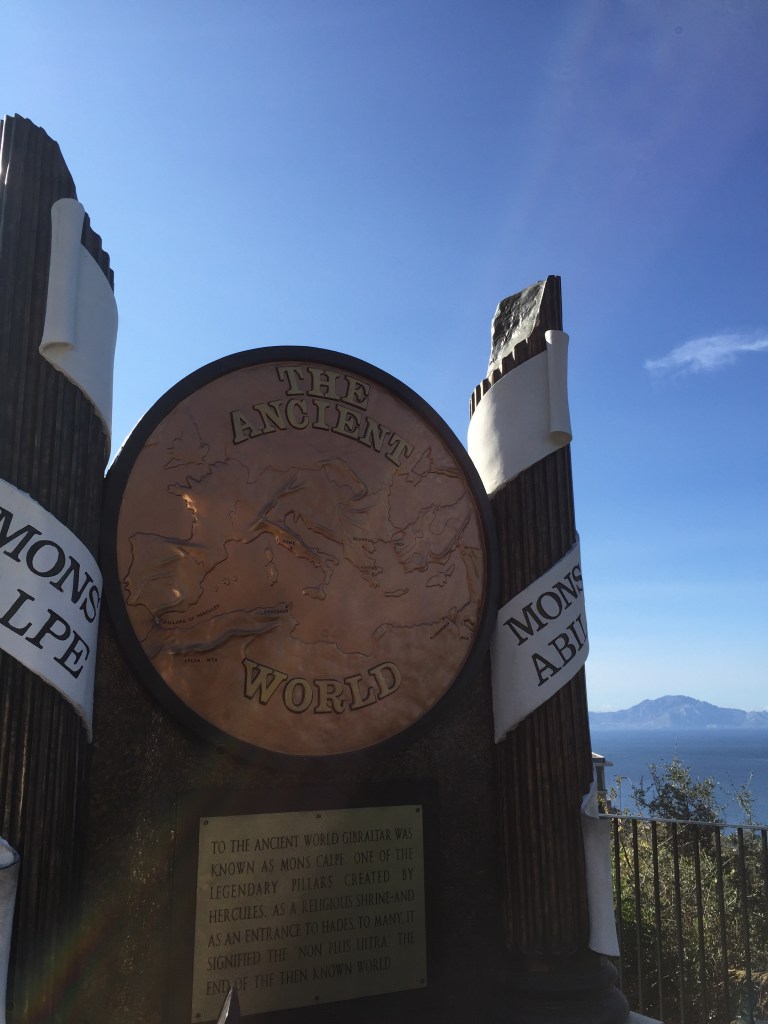
I would like to keep the rest of the experience a secret to be discovered only by the curious. Enough mentioning that what you see is not often what you eat. In a Petri dish there may be a dessert. A tardigrade-resembling creature may be a razor clam. While we ate, the tide changed from ebbs to flows, and the migratory birds of the Gibraltar Strait were enjoying their crustacean menu as well. Quoting my partner, there is nothing more (to say): Non Plus Ultra.

Notes from the Giant Rock

Travel

As we’re approaching another wave of COVID-19 in Spain, writing about short getaways when the summer was still around gives me a lot of energy and hope for the better days to come. Here is a short post about my getaway to Gibraltar last month. As we’re approaching another wave of COVID-19 in Spain, writing about short getaways when the summer was still around gives me a lot of energy and hope for the better days to come. Here is a short post about my getaway to Gibraltar last month.

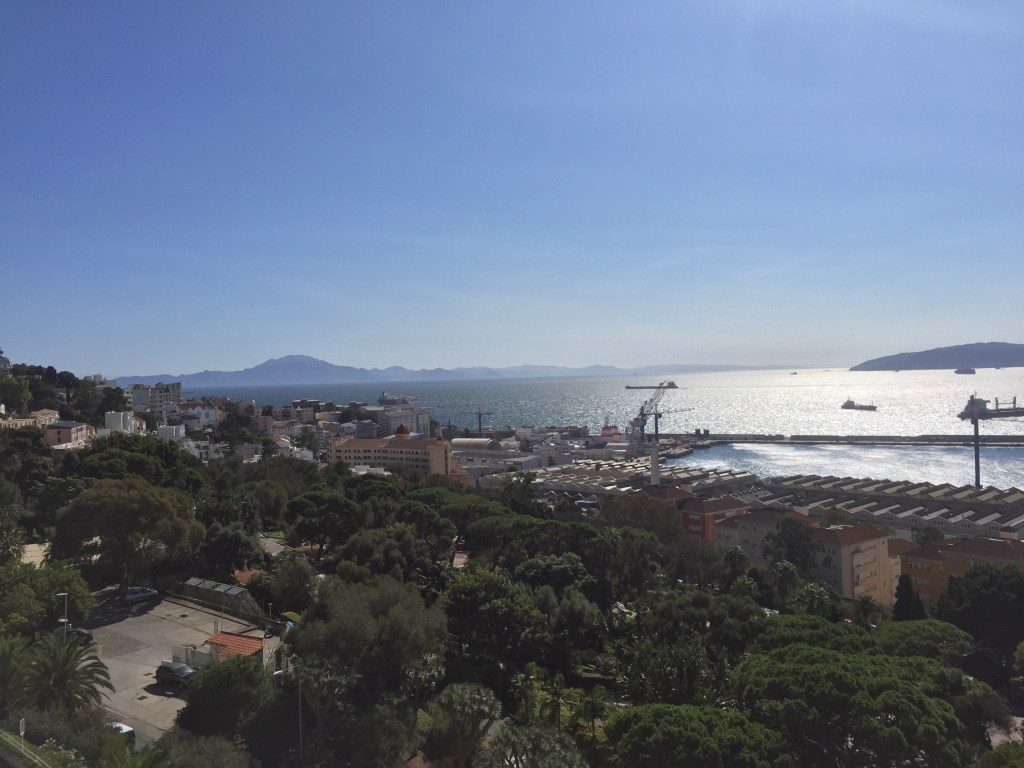
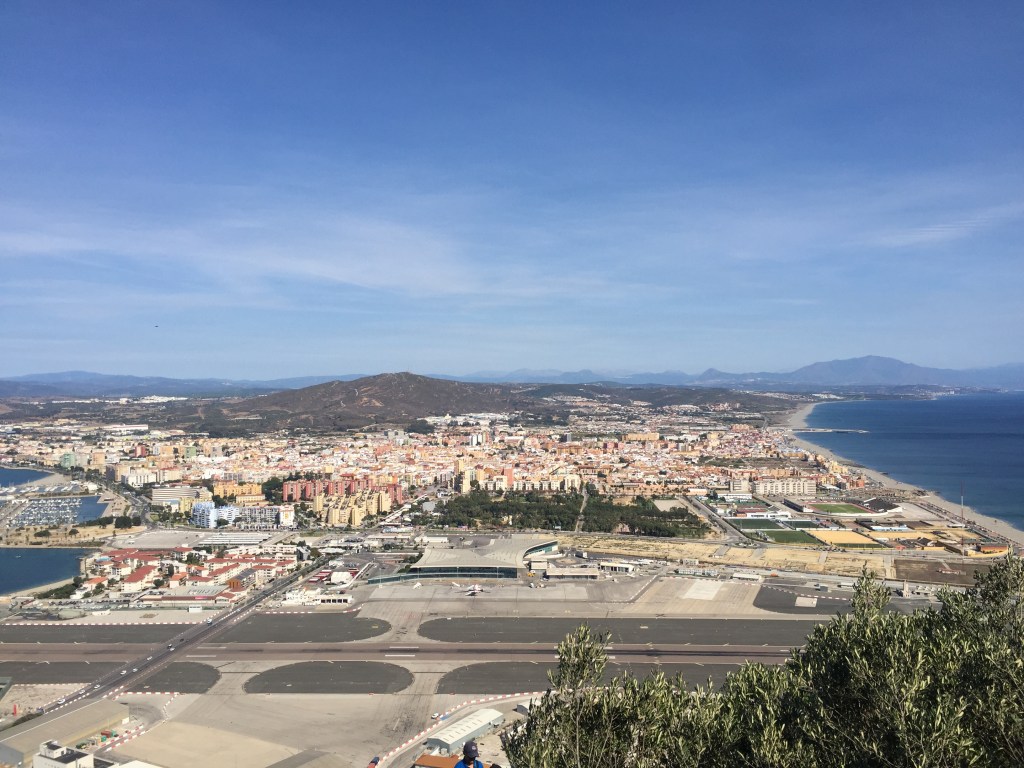
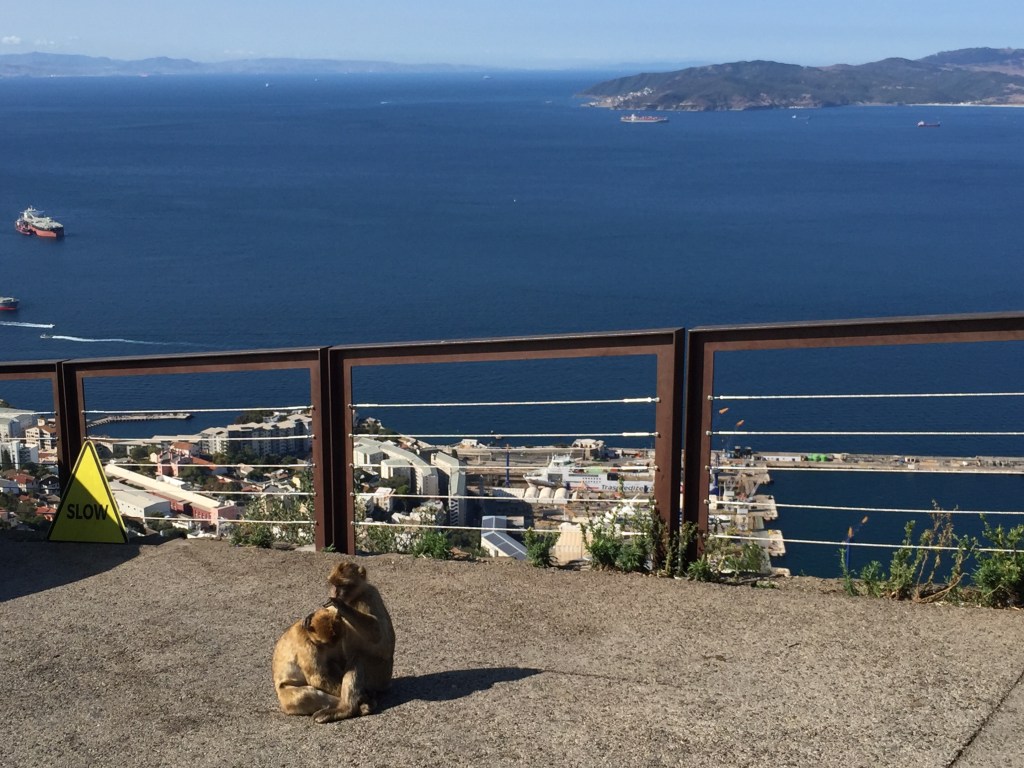
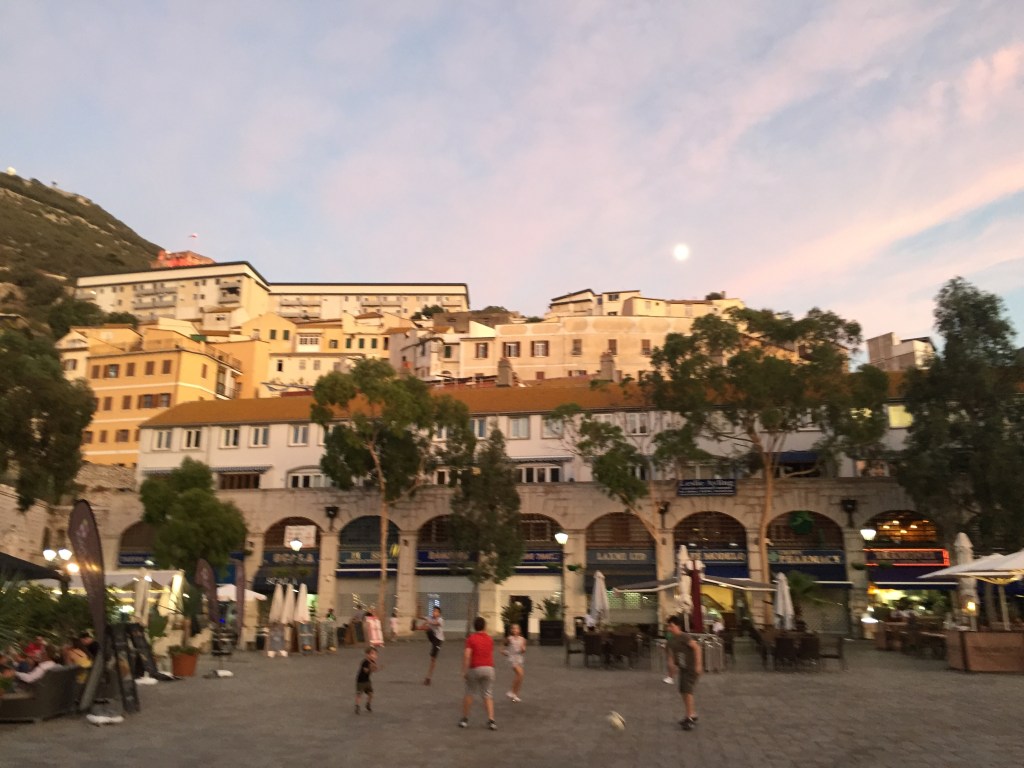
Gibraltar is located about only 80 kms away from Malaga and to get there, you can easily drive or take a bus to the ‘famous’ La Linea de Concepcion, bordering town, allegedly one of the most dangerous places in Spain according to the latest Netflix series. Surely it looked rundown in some parts, and incredibly luxurious in others, which is never a good sign. To get to Gibraltar, you have to pass through a border control within a few steps away from the bus station. To get into the city centre, sometimes you may have to wait to pass through the international Gibraltar airport’s landing stripe, as space is very limited by the Giant Rock.

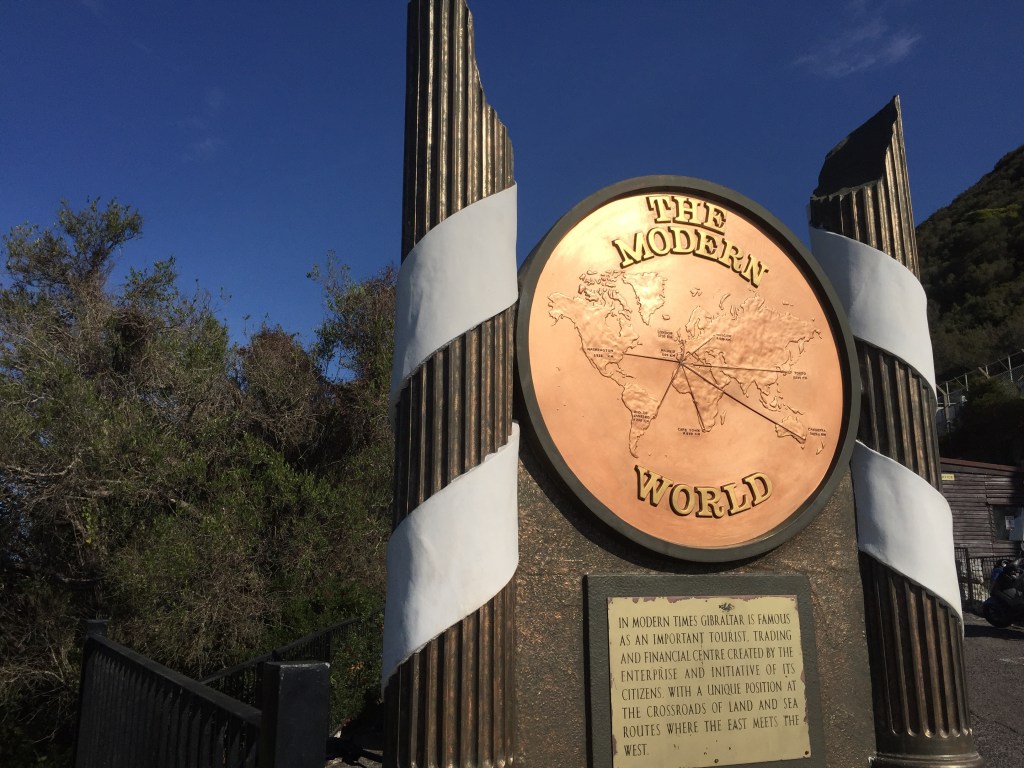
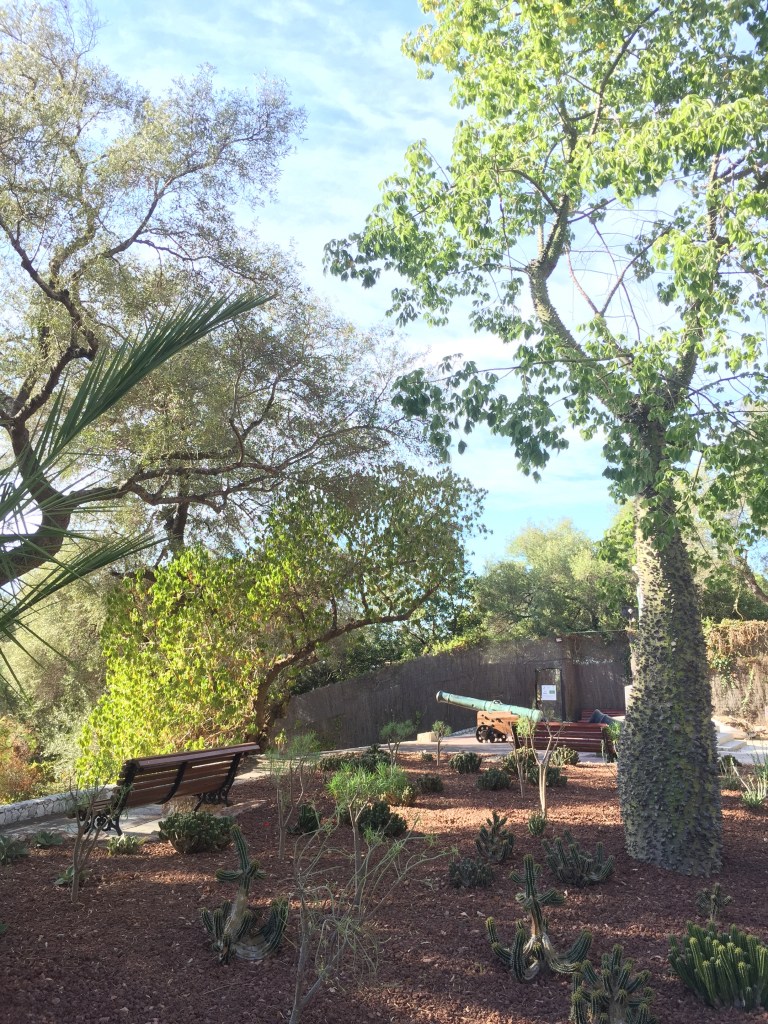
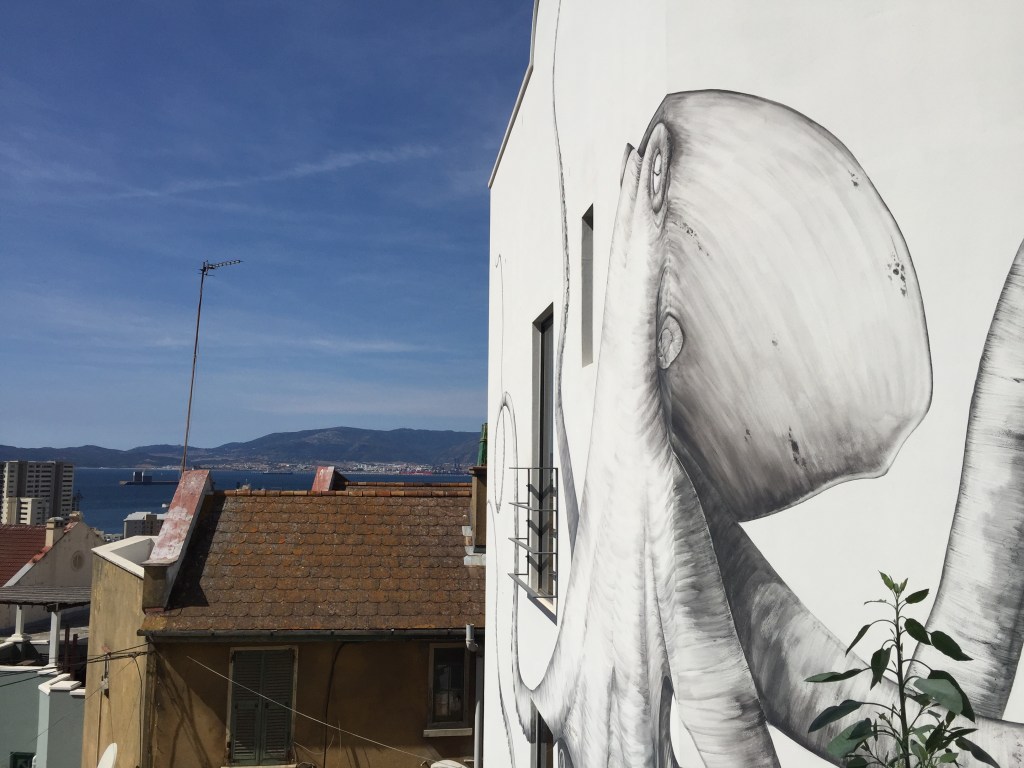
My first observations were related to the language, indeed both English and Spanish are heard equally often and in various constellations of Spanglish and Englanol. The old town also brings back memories of commercial streets back in the UK and at the same time, has a charm of any Mediterranean town. Beers are served in pints and tapas are counted in pound sterling, which does make a difference from the neighbouring La Linea, where apparently a lot of people eat out. Gibraltar’s location is strategically related to one of the most neuralgic point between Africa and Europe and its history remembers wartime, sieges and endless battles. The remnants of it are visible within almost every step, even in parks in a form of a childlike quiz.

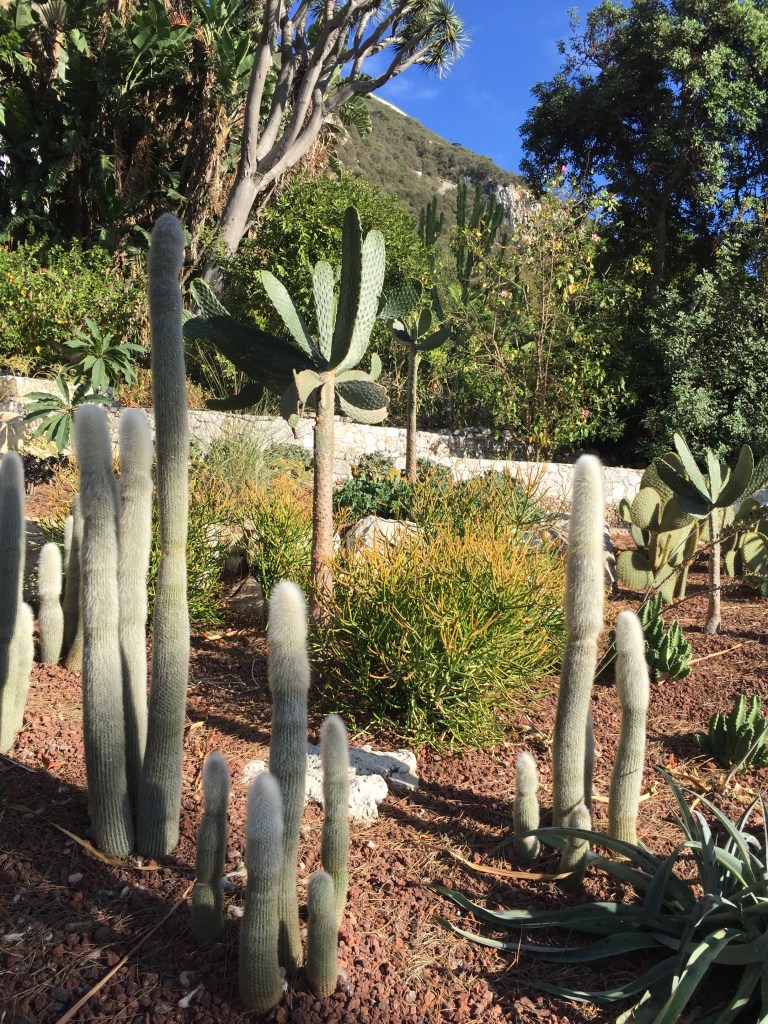
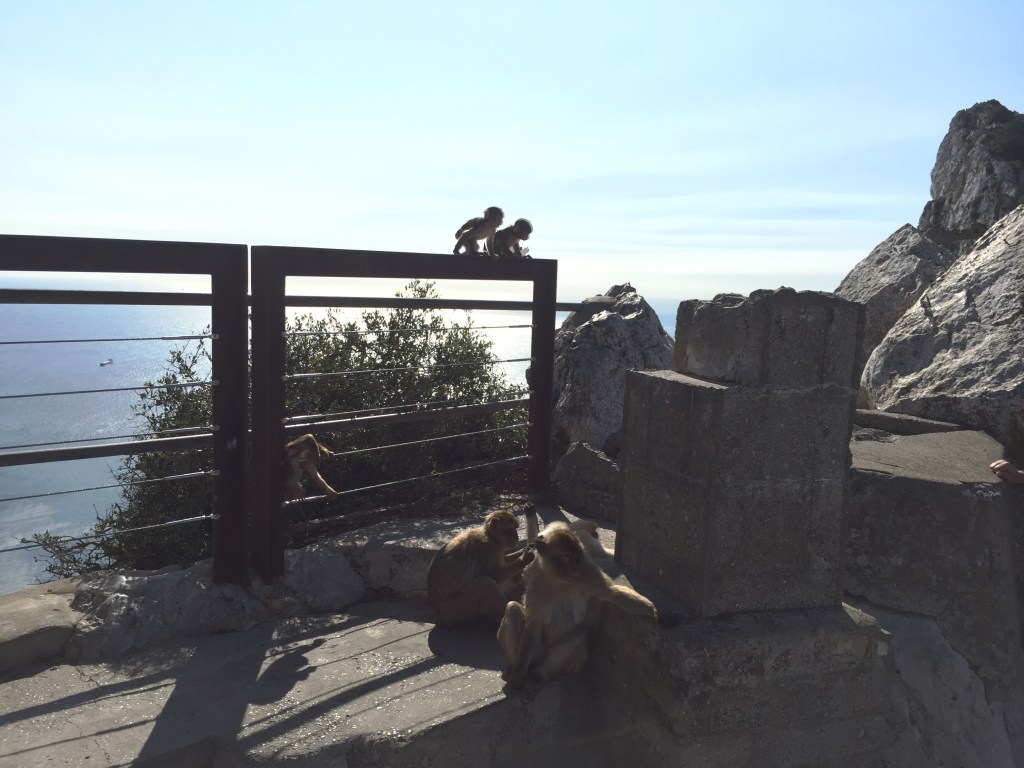
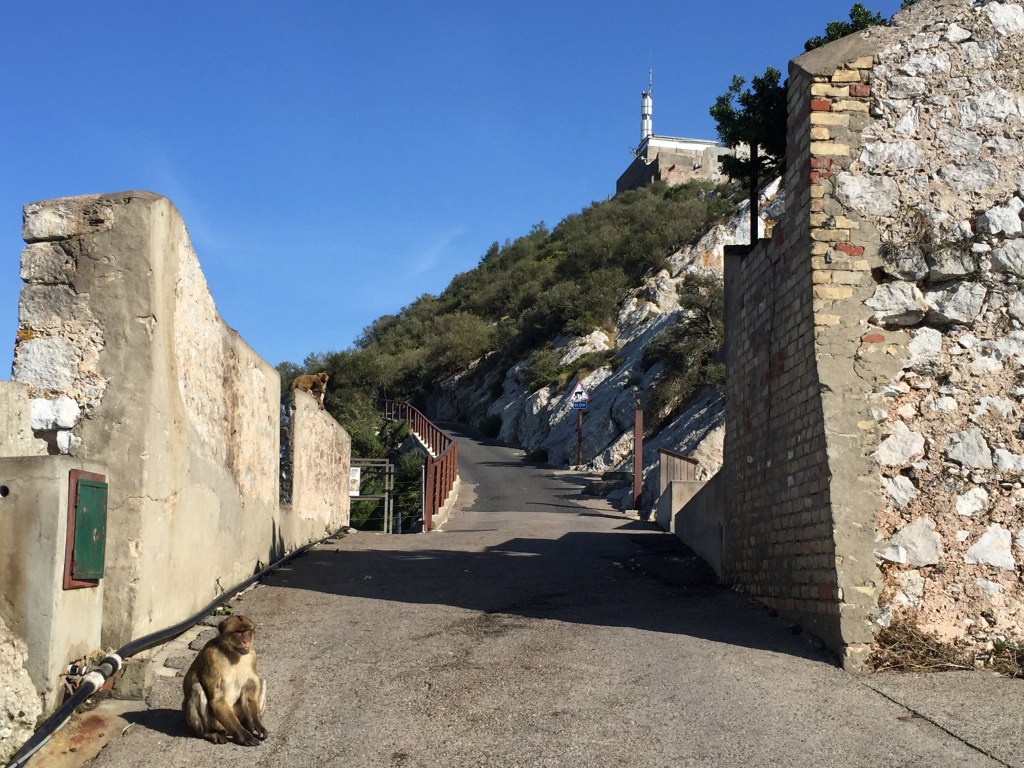
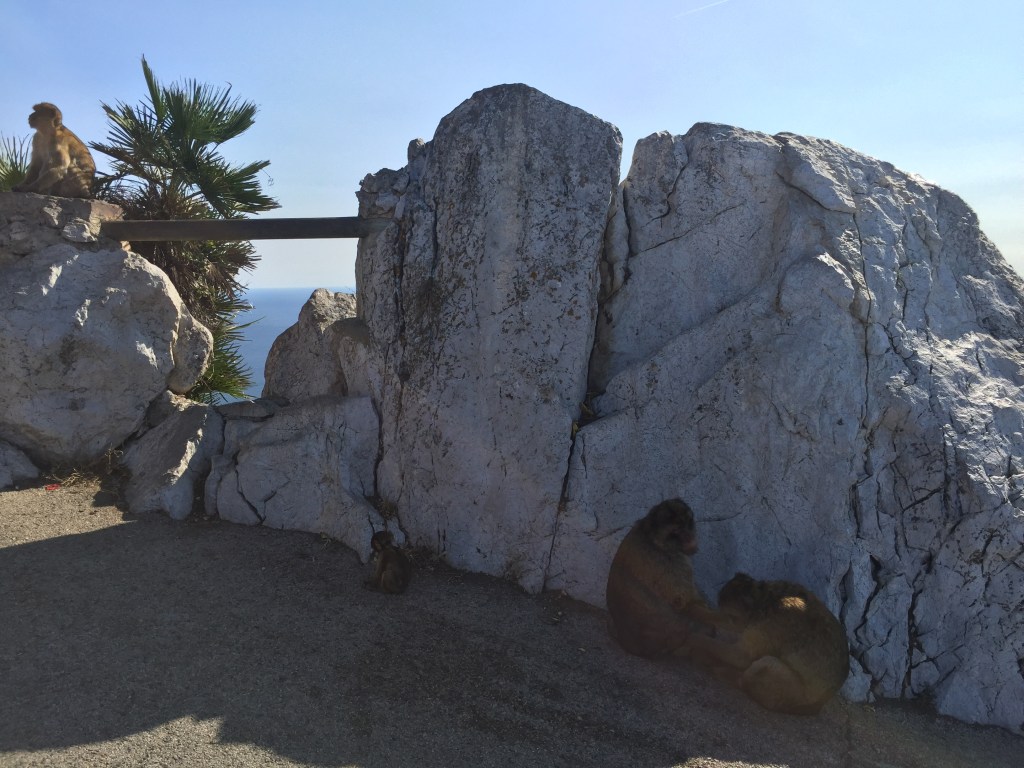
The wildlife of Gibraltar reside in the special zones: Barbary macaques are kept away from the city in the Apes Den and are very much used to being fed by the human beings. They are quick to check one’s rucksack belongings in search of food, causing big havoc. My boyfriend has been confronted with such situation simply passing by, ending up with a macaque sitting on his head, who meticulously performed search for anything else than our camera or bottle of water. Unsatisfied with the result she left – unfortunately this moment has not been recorded. Also butterflies receive their daily portions on the Butterfly Feeding Table, to the amusement of the visitors of the Alameda Park.

Wandering around the Upper Rock Natural Reserve Park you can see two continents and three countries, including Spain and Morocco. If you are lucky, you can notice whales passing by the Gibraltar strait if the ship traffic isn’t too heavy. Looking at the closeness and yet, distance, one can reflect about the relativity of the perspective and history. On that day we spoke to a birdwatcher observing some species trying to cross the Strait for the winter. Possibly a Honey Buzzard, according to the birdwatcher, who struggled with the unfavourable wind conditions, similarly as the BA plane approaching the landing stripe.

Nowadays Gibraltar is home to investment banks and tech companies, and the wartime and ancient history seems to be indeed a distant past. The dine out options and nightlife concentrate around the modern neighbourhood of Ocean Village full of fusion and international food options, as well as very typical pubs. I stayed there for one night only and it was enough to see the National Reserve Park, wander around the city and its historical attractions. The highlight of my stay was the Rock Hotel itself: an emblematic location overlooking the bay, serving English Breakfast on their patio where hundreds of famous people ate out, including Prince Charles, Ernest Hemingway and one mysterious guest, whose picture (next to Prince Andrew’s…) has been removed. Wonder if this may be related, and still thinking of whom could be the persona non grata.

Pais Vasco – ozeano, janari eta kultura

Travel

In search of the Atlantic Ocean, nature and culture this month I was lucky to visit Basque Country. Until the very end I was not sure if the trip will be possible, due to COVID-19 still present in our lives.

With all the precautions, I decided to take off and landed in sunny (!) Bilbao. I planned this trip in advance as a part of anniversary and birthday celebration with my boyfriend, knowing how much he loves the green landscapes of the North of Spain. As well, that Basque Country is one of the places no foodie can miss!

Travelling by air was not as dreadful as we expected – Malaga airport was almost empty on that day and we almost dreamt that air travel would look like this everyday. People being respectful and keeping the distance, simple as that. Similarly, the streets of Bilbao were spacious and only with some notion of tourism (people who were, unfortunately, the only ones not wearing masks). 

Bilbao anyhow is a living example of perfect rejuvenation of the post-industrial landscape. Awarded with the ‘urban Nobel prize’ in 2010, this city is perfectly friendly to breathe, walk and enjoy life. The sidewalks are broad, the road signals signs are melting ideally with the surroundings – to the point that at the back of them, you can find a depiction of tree leaves shapes!

We were very lucky with the weather, which is mostly rainy and windy throughout the year, and thus it is so beautifully green. Coming from Costa del Sol, where the climate is probably the sunniest and mildest on this planet, but largely affected by deforestation, green spaces are more of an oasis than regularity. 

We visited a few bars and restaurants in Bilbao and regardless of the pricing range, the experience was exquisite. There is no such thing as mediocre food, nor wine in Basque Country! As long as you are flexible and let yourself be surprised – most of the dishes contain fish or seafood, which is the zero Km dish there. We dream of pintxos for breakfast until today.

We also went to the famous Guggenheim Museum, where we visited permanent exhibitions, including the magnificent works of Jenny Holzer and Richard Serra, as well as some interesting temporary exhibitions of Olafur Eliason (the light!) and Richard Artschwager (the useless piano!). 

When talking about culture, it is hard not to mention the very separate language if the Basque. I’ve been fascinated by it and tried to grasp as much of it, as possible. Since my mother tongue, Polish, is often referred to as one of the most difficult languages to learn, why not trying to pick some Basque? My favourite word spotted in public space was probably komunak. I absolutely loved the idea of naming public toiler as a common place to go to, when needed.

Apart from the city, we took some time to visit the coastal town, even though we didn’t have too much time to wander about. Thanks to my colleague, we went to a coastal town Mundaka, famous for its picturesque landscape and one of the longest and strangest waves forming at its Atlantic shore, due to sedimentation of the river floating to the ocean. This attracts surfers from all over the world to practice. On the way, you can visit the town of Guernica and the natural park of Urdabai.

We needed this break, although the times are not perfect for any further travel. We are fortunate to live in one of the most beautiful countries full of diverse cities, cultures, languages and landscapes to choose from, close and far. Even if we are confined again soon, we will have pictures to come back to and travel back in time. 


Feliz Malaga!

Personal

I am ending this year on a very positive note. It wasn’t the easiest and it was also a life-changing year yet everything seems to have gone well at the end. I am very happy I spent the last days of 2019 among my nearest and dearest in my new home: Malaga.

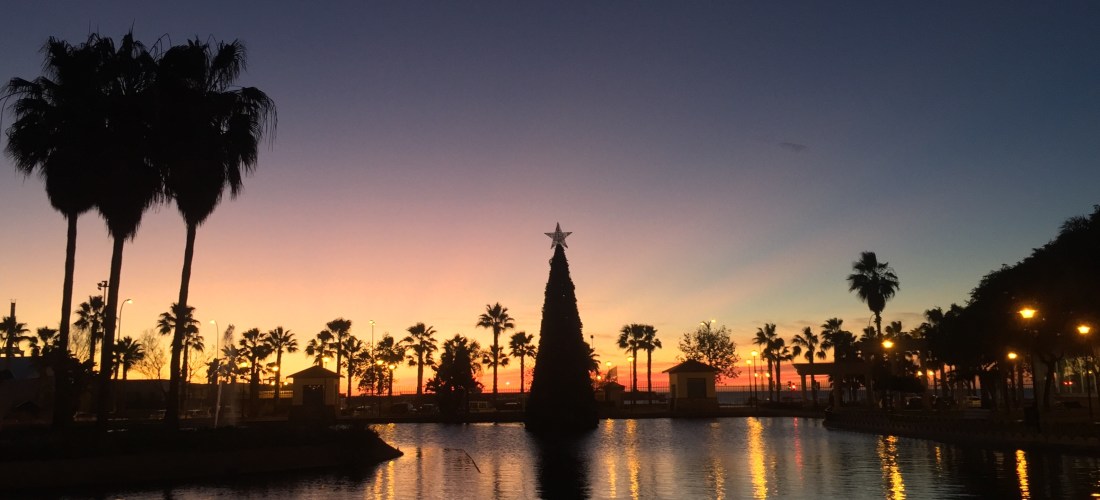
For a start, I have avoided seasonal light deprivation and for a change, I am amazed by the fantastic, relatively long and sunny days, impressive sunrises and sunsets and festive lights in the night. Secondly, and this is already the practice from many previous years, I signed out from the Christmas consumptionism and craziness. The craziest being listening to local, traditional Christmas carols which was a profoundly heart-touching experience. With my dearests we reject presents and we gift each other with quality time, cooking food we like or visiting new places to eat out as well as going to classical music concerts. This is so much more memorable than spending money on gifts no one really needs or expects. For a change, you create prevalent memories.

Weather in Malaga helps staying active, for instance enjoying long walks and sports at the beach. It is obviously fun to watch overly enthusiastic tourists laying on the beach in bikinis or taking a plunge in the Mediterranean Sea. Yet, I can understand it, if you come from a sun-deprived country and want to make the most of it. I can say the record high during Christmas was about 24-25 degrees Celcius.

I have been working all these days, but at my own pace, often taking breaks to take care of myself and my loved ones, which is my mom and my partner. For the past weeks I’ve done most of my health check ups and I am so glad to find out I am healthier than ever and feeling energized. I feel very accomplished professionally, I am proud of having built an amazing, high performing and healthy team and looking forward for more to come in 2020. Also, to taking holidays and recharging more often, which kept me healthy so far as well.

Last but not least, I want to share my love, happiness and energy with everyone else who may lack it in this turning point of the month, year, or decade. I have been there and there are always a brighter days coming up. I didn’t plan anything special for tonight, as last night I spent a lovely evening with friends and I don’t feel I need to do anything else this year, I already feel great with all that happened.

2020 plan? Again, nothing special to ask for and still, so much to ask from yourself. Staying on the right trajectory with my North Star being: wellness (in all its aspects), integrity, love for the closest ones and for the rest of the universe, keeping the mind sharp and open for whatever is about to come.

On a closing note, attaching one of my favourite mixes coming from 2015 New Year’s set at Plastic People coming from Floating Points and Four Tet ❤


Málaga, olé!

Travel

Similarly like a year ago, I’ve travelled to Spain in January to take part in the annual Berklee College of Music Career Days. This year I decided to extend my stay to travel along the South-East coast of Spain aka Costa del Sol to appreciate the beauty of the spring-like winter in this part of Europe. Clear, deep-blue coloured skies made my body react with shock due to the vitamin D overdose at first.

https://www.instagram.com/p/BsgmybhBOST/

Interestingly enough, upon the arrival in Málaga, I have heard it’s been quite cold this year, and I remember how much the perspective is different when you live in the South or North of Europe. To me the getaway to Spain was nothing but a bliss.

Nevertheless, it’s been my third time in Málaga already, having previously visited during the acclaimed Semana Santa (Easter Week) in 2012 and Navidad (Christmas) in 2016. It’s not that I’m religious, quite the opposite, however the decorations and festivities are very impressive and would recommend anyone to experience. This time I’ve discovered how much the city has developed in terms of the infrastructure (it’s all under construction though!) and how many opportunities for tech companies have emerged in the meantime.

https://www.instagram.com/p/BsinM50B2MF/

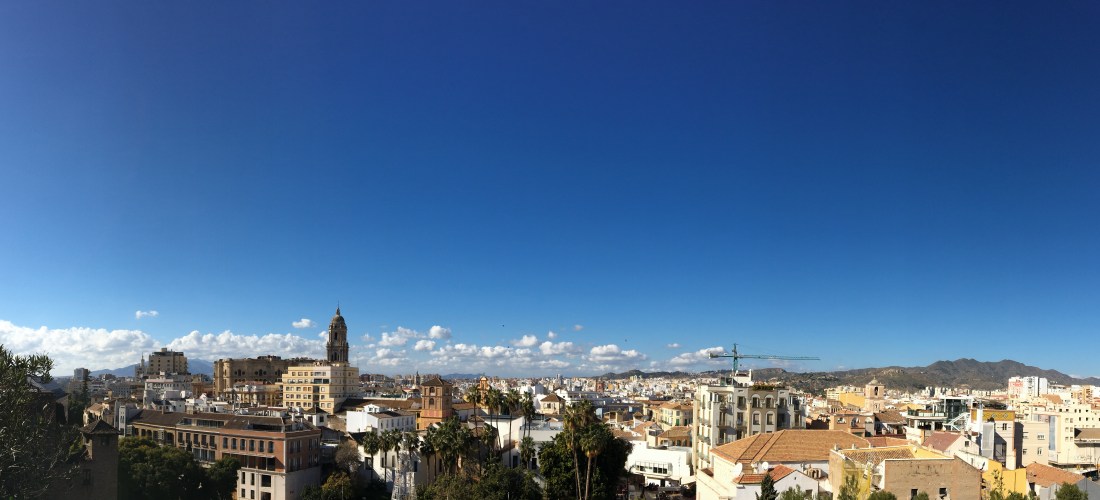
Málaga, apart from being the City of Light given its sunny location, leaves and breathes the beauty: both culturally and naturally. I spent some time hiking around multiple parks and botanic gardens, Gibralfaro Hill and Paseo de Reding, amazed by the variety of plants and bird species. Such a retreat in the centre of the vibrant city!

I also discovered a few culinary highlights: plenty of Moroccan-origin and vegetarian restaurants and brunch options have populated in the city landscape. To top it up, I’ve managed to book a table at a renowned, Michelin-star restaurant of José Carlos García in the beautiful port: Muelle Uno which was not surprisingly an exquisite, white-glove experience.

Without a doubt, I revisited El Pimpi, the most famous, quirky and spacious bar/restaurant in the city centre, with a rich cultural and culinary heritage including the most popular wine and food selection of the region (croquetas!).

I am pretty sure that the history, art and climate shape the environment. For sure, Málaga with its fantastic location, historical and contemporary music and art scene, ever-tempting hedonistic earthly pleasures (food and wine in particular!) and international visitors is a great place to visit, and re-visit every time.

With that, I have nothing more to say than hasta luego! 

https://www.instagram.com/p/BslKzpqBjbc/

To the South – Greek Macedonia & Chalkidiki

Travel

Last month I visited Thessaloniki, a capital of the Greek region Macedonia for the Polish-Greek wedding of my cousin, and took an opportunity to discover the peninsula of Chalkidiki.

https://www.instagram.com/p/BoNDbpYHhR0/?utm_source=ig_web_button_share_sheet

Since I’ve already traveled to Thessaloniki two years ago, and did a very intense city sightseeing, I focused mostly on the earthly pleasures of this place: food and wine tasting all day; simply relaxing in the shadow, or observing the multicoloured sunsets from the cafés located on the Leorofos Nikis boulevard next to the city harbour.

https://www.instagram.com/p/Bn9fwVhHEpH/?utm_source=ig_web_button_share_sheet

The district I spent the most time was Ladadika – the heart of the nightlife, and the culinary heaven of the city.

https://www.instagram.com/p/BoBiH3cn9EQ/?utm_source=ig_web_button_share_sheet

After the festive celebration of the wedding, which was particularly interesting due to the multicultural mix of the guests and ceremony, I decided to opt for a few days of blissful rest at the peninsula of Chalkidiki, often recalled as the ‘three fingers/legs’: Kassandra, Sithonia and Agion Oros.

https://www.instagram.com/p/BoE808BHEsh/?utm_source=ig_web_button_share_sheet

I initially wanted to discover the third ‘finger’: Agion Oros, an autonomous region with a magnificent Mt. Athos. Unfortunately, I was a victim of the tradition and my own gender, as till this date, women are not permitted to land on that particular peninsula due to strict beliefs of the monastery’s residents located there.

https://www.instagram.com/p/BoKKBbOnG3C/?utm_source=ig_web_button_share_sheet

Kassandra was still fuelled by tourists but nevertheless, it was a perfect spot for chill out. I stayed in the town of Pefkochori known for one of the best beaches on the peninsula, and some of the best selection of seafood restaurants.

https://www.instagram.com/p/BoOL2fmnC-f/?utm_source=ig_web_button_share_sheet

Towards the end of my stay, peaceful waters turned overnight into stormy waves and I could sense the season’s changing – it was already time to travel back to Berlin. The big blue painting of the sky and the sea stayed with me to survive the colder months of the year though.