Do Chiado ao Bairro Alto

Travel

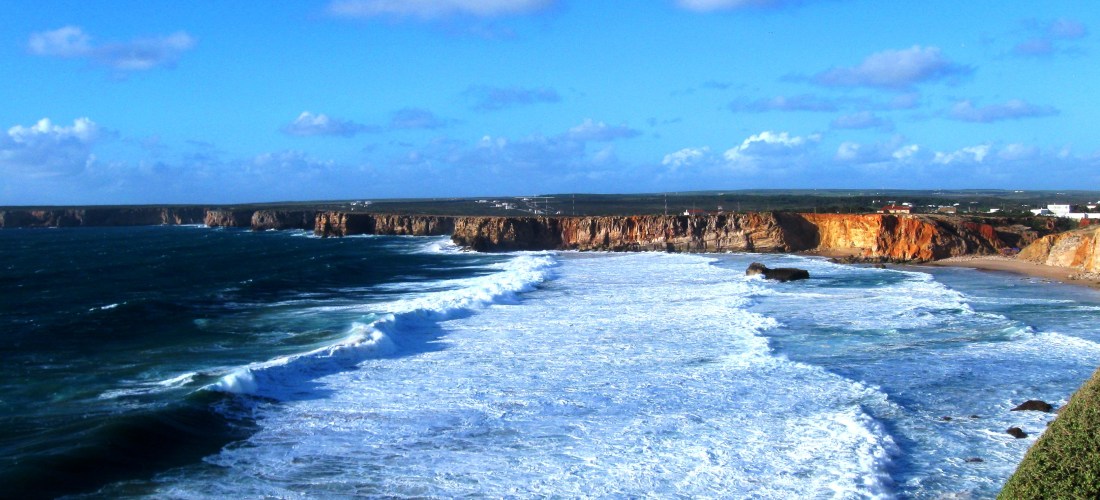
My friends asked me several times which bairro of Lisbon is my favourite. And I had quite a dilemma to choose… The title of this post ‘From Chiado to Bairro Alto’ is nothing more than taken from a popular fado song, but actually it links a story about two bordering neighbourhoods of Lisbon which I happen to like a lot!

Chiado, nowadays ‘a posh face’ of Lisbon, with plenty of designers stores, elegant cafes and, all-time present Fernando Pessoa. He is actually sitting 24/7 in the famous ‘A Brasileira’ café. It is worth visiting yet I have to make a remark that wherever in Portugal, coffee is just exceptionally good and cheap. Be aware though when using the original Portuguese nomenclature for asking a waiter for the great variety of coffees. A simple espresso will be called here bica and not bico (please look it up in http://www.urbandictionary.com, for the sake of not getting Portuguese spam I will remain silent about the meaning and usage of this word).

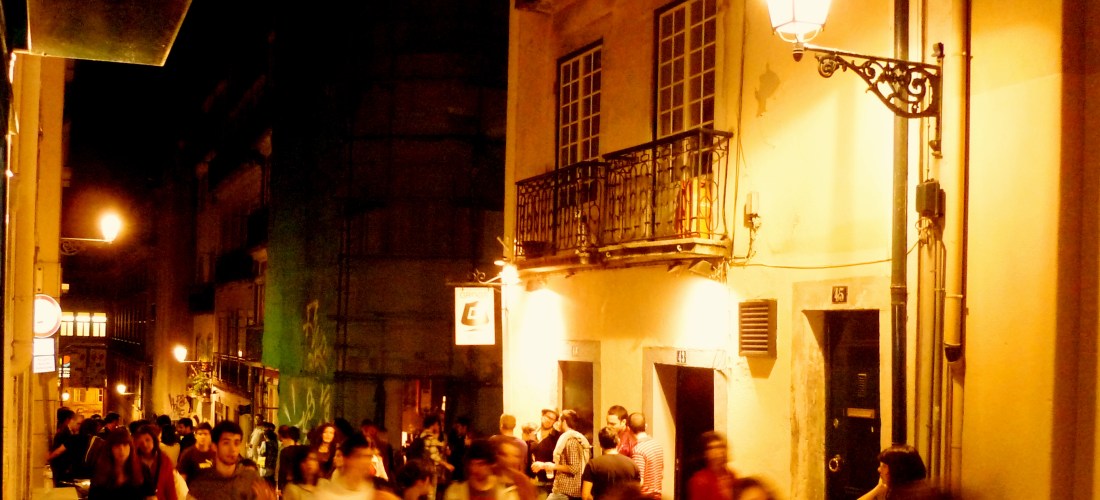
Meanwhile Bairro Alto is a Mecca for the party people, (Erasmus) students and/or those who enjoy the busy atmosphere of barzinhos. There is pretty much every musical style to be met in this tiny but crowded place, from indie rock through Brazilian live music to Berliner minimal tech. Not much recommended for those who actually like to sleep during the night, but for those who like bohemian wandering around 4 am it will probably be a perfect destination.

Wiki:

Bairro – neighbourhood

Barzinho – little bar (same word in Portuguese)
Nascimento em Lisboa

Music, Personal

The idea behind this post lays partially in my current state of mind: being extremely busy, somewhere in between the unfinished stuff and the forthcoming events which will pretty much decide on how the next months/years of my life will look like. Partially, in one particular request for posting something related to Milton Nascimento’s work. Last but not least, in recent requests for writing something about Lisbon, as one of my friends currently is living there, working as a guide showing the city’s deepest secrets (Polish speakers are much welcome to visit her www.sekrety-lizbony.pl or Facebook Fan Page where she posts some hilarious photos from her favourite neighbourhood Alfama!), and another one is planning shortly a weekend get-away.

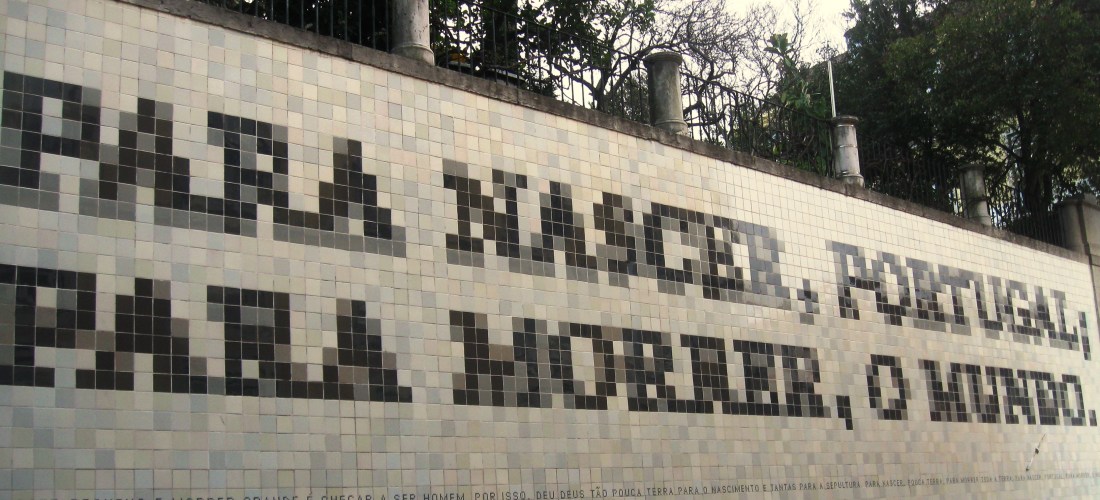
To create an amalgamate of these three topics I decided to show you some of my favourite Lisbon’s murals. The quote ‘Para nascer Portugal; para morrer o mundo’ is authored by Antonio Vieira, a Jesuit who shared his life between Portugal and Brazil and can be found written on a mural closely to Sé de Lisboa. Nowadays this quote has definitely another meaning. Given not only difficult economic circumstances, but also insatiated curiosity, there are millions of Portuguese spread all over the world. To me, this might be a reflection on a globalised reality, just as illustrating one’s craving to discover the world.

Milton Nascimento’s ‘Tudo o que você podia ser’ is an anthem for those, who are not afraid to change, to go beyond mainstream or to take difficult decisions. He underlines that the only obstacle on our way to become who we would love to be is fear. Recapitulating with another famous quote: the only thing we have to fear is fear itself.

Wiki:

Nascimento – birth (also, a surname of a famous Brazilian musician, Milton Nascimento)

‘Para nascer Portugal; para morrer o mundo’ – To be born in Portugal; to die in the world

Sé de Lisboa – Cathedral of Lisbon

‘Tudo o que você podia ser’ – ‘All you could become’ (a title of a famous Milton Nascimento’s song)

Desfado

Music, Personal

‘I already knew you were a big fan of Portugal and Brazil but I never thought it was mostly language- and sound-related. It’s really nice to hear that Portuguese as this kind of power. I guess that fado it’s not your type of music but it seems unusual to talk about saudade without mentioning it’.

Well, hearing this kind of feedback I just cannot remain unresponsive! The author of the feedback is Joana with whom I had a pleasure to collaborate at my previous workplace last year in Barcelona. Even though it was always quite stressful and very fast-pace back there, we managed to create a very inspirational (and still, productive!) ambience on our ‘Fox Island team’ (don’t ask for a meaning) within the open space ocean. So, speaking a weird mixture of Spanish – English – French – Catalan – Polish – Lithuanian (!) and Russian we could not obviously miss Portuguese. And despite the fact that we are all in very different places now, I guess (?) we all feel this special kind of saudade when we remind those crazy times.

So, it is true, I have not started off with fado, as it is not really my cup of tea. However, it is something a Portugal-loving person cannot just leave behind. Promise there will appear some classic content (for which my Portuguese-aficionado Maezinha is longing, too!), sometime soonish.

For now I would love to present my fave out of Joana’s selection: Ana Moura’s Desfado which represents a powerful trend in fado music nowadays: remaking, experimenting with the form, musical styles and language. Desfado reminds me also of our multilingual team we used to be, desfalando all the afore-mentioned languages and simply, having fun!

Wiki:

Fado – a form of music characterized by mournful tunes and lyrics, often about the sea or the life in the neighbourhood, and infused with a characteristic sentiment of resignation, fatefulness and melancholia (loosely captured by the keyword saudade – longing). Desfado is a neologism meaning the opposite of it.

Falar – to speak (desfalando is the opposite gerund of it)

Maezinha – (diminuitive) mom